 Donate
 Basket
 Login
Login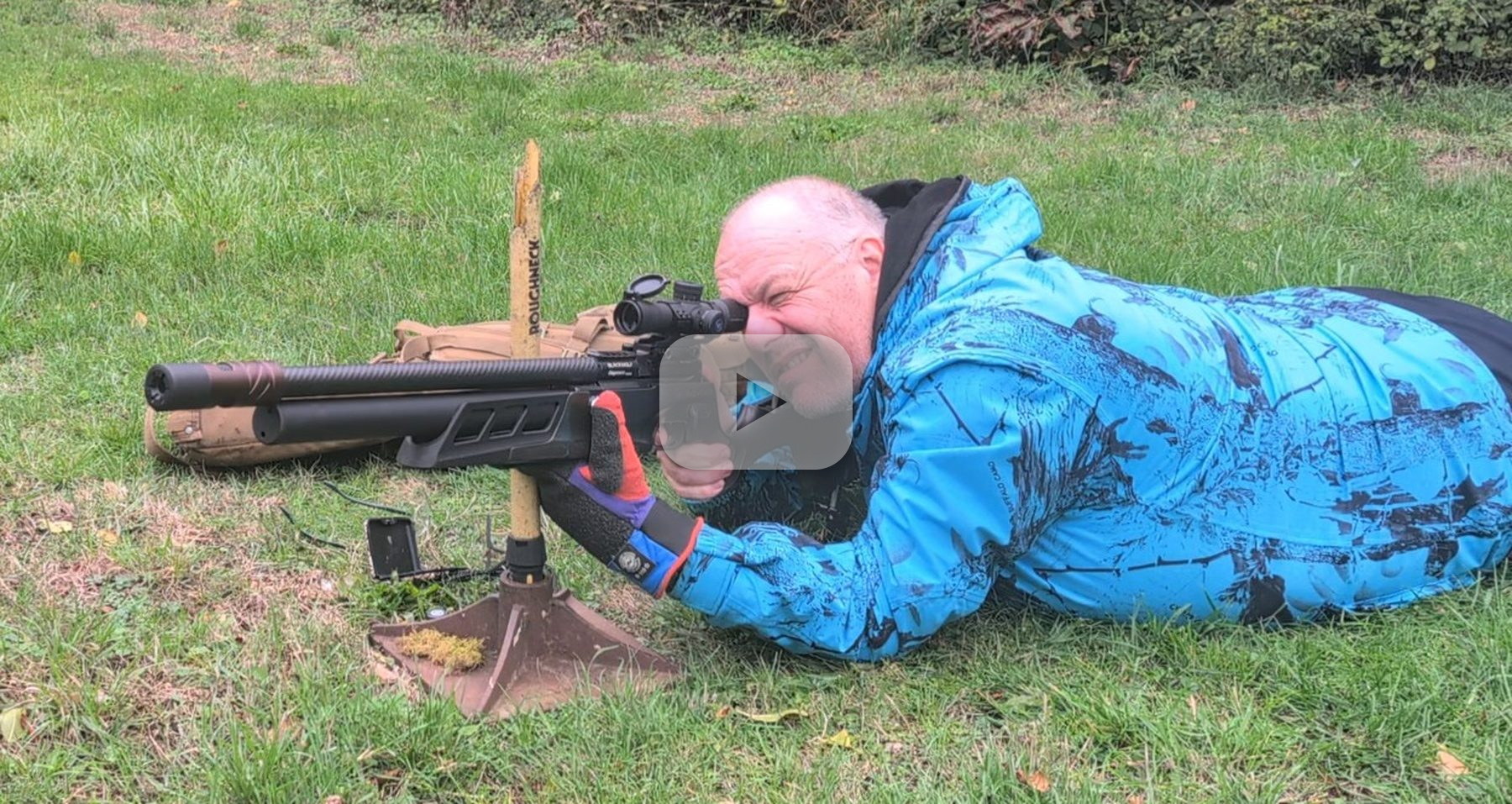
The question the hunter field target (HFT) customer brings to the counter in October is not about power or fit but about wind, and the Back to Basics with Daystate series has put one of the discipline’s best-known names on camera to answer it. Writing in Airgun World, Gary Chillingworth describes a practice round at Springfield ARC, just outside Chelmsford, in “a steady 15mph with gusts of up to 30mph”, in which his Daystate Blackwolf “did not seem to be taking much wind at all, certainly compared with other guns he has shot”.
What is Daystate putting behind the Blackwolf?
The episode is part of Back to Basics with Daystate, a series carried by Shooting & Country TV and fronted by Chillingworth, an Essex airgunner who shot for England at the HFT World Championships in 2012 and 2013 and has written for Airgun World since 2008. For the trade, that is a maker’s name on instructional content that keeps a current model in front of the competition market without a launch, timed, as Airgun World notes, with “the last two rounds of the UK HFT series coming up, and more wind in the forecast”.
The test a dealer could run on a demo day
The method is cheap and repeatable. Chillingworth waits for a 10 to 12mph crosswind, pins a card with a single black line high up a tree at 40 yards, aims straight down the line and measures how far five pellets drift. The condition that makes it worth anything is the one a shop can control: “Use exactly the same pellets, fill pressure and setup you compete with, or the results tell you nothing.” A retailer with a range or a club relationship could put a customer’s own rifle, pellets and fill through the same card, which answers the question with a number rather than a brochure claim.
Why does drift decide the sale?
Because it is the figure the competition shooter is actually buying. “Wind eats into the space you have to aim at,” Chillingworth writes: on a 25mm HFT kill, holding in the middle leaves plenty of room, but using the bottom of the kill as an aim point for range shrinks the usable width to around 18mm, “and a rifle that drifts less in a crosswind leaves you far more margin for error”. A model that can show a small drift figure at 40 yards has a selling point the specification sheet cannot carry, and a counter that can explain why has the customer’s confidence for the pellets, the fill kit and the jacket that follow.
The accessory conversation behind the rifle
The rest of the episode is wind-reading advice, and every line of it points at stock a shop already carries. Use the first shot as a baseline and adjust from it; listen as well as look, because “wind often blows in cycles and can switch direction suddenly”; and treat the feather on the barrel as the wind at the peg, “but always check the foliage behind the target, as the wind downrange can be quite different”. Targets high in a tree take more wind, because there is less on the ground to break it up. His closing point is clothing: “A hoodie lets a cold wind straight through, and by the end of a long round you can be frozen, which does your shooting no favours.” Wind indicators, pellet-sorting kit and windproof outerwear are the add-on basket the series argues for without naming a product.
What happens next?
The episode is on Shooting & Country TV and Chillingworth’s account is in Airgun World, linked first below. The UK HFT series closes with its last two rounds, the moment competition customers decide what they will shoot next season.
Useful links
Reading the wind in HFT: Gary Chillingworth tests the Daystate Blackwolf – Gary Chillingworth’s original feature in Airgun World, where these words first appeared, with the video
Shooting & Country TV – the YouTube channel carrying Back to Basics with Daystate
Frequently asked questions
What is Back to Basics with Daystate?
A video series carried by Shooting & Country TV and fronted by the HFT shooter Gary Chillingworth. The wind episode measures how far five pellets from a Daystate Blackwolf drift in a 10 to 12mph crosswind at 40 yards, then follows a full round at Springfield ARC.
How is wind drift on an air rifle measured?
On a day matching the expected conditions, a card with a straight vertical line is pinned at a known distance, the shooter aims down the line and the offset of each pellet is measured, using the same pellets, fill pressure and setup as in competition.
Why does wind matter so much in HFT?
On a 25mm kill zone, using the bottom of the kill as a range aim point shrinks the usable width to around 18mm, so a rifle that drifts less leaves far more margin for error.
Related articles
Daystate Performance Center and BRK Pathfinder: expanded offerings for airgun enthusiasts – the maker’s range as the trade last saw it
The Great British Shooting Show 2026: a record-breaking statement of intent – where the airgun makers met their customers this year
Theoben returns to UK dealers through International Sports Brands – another sub-12ft/lb story told for the counter