 Donate
 Basket
 Login
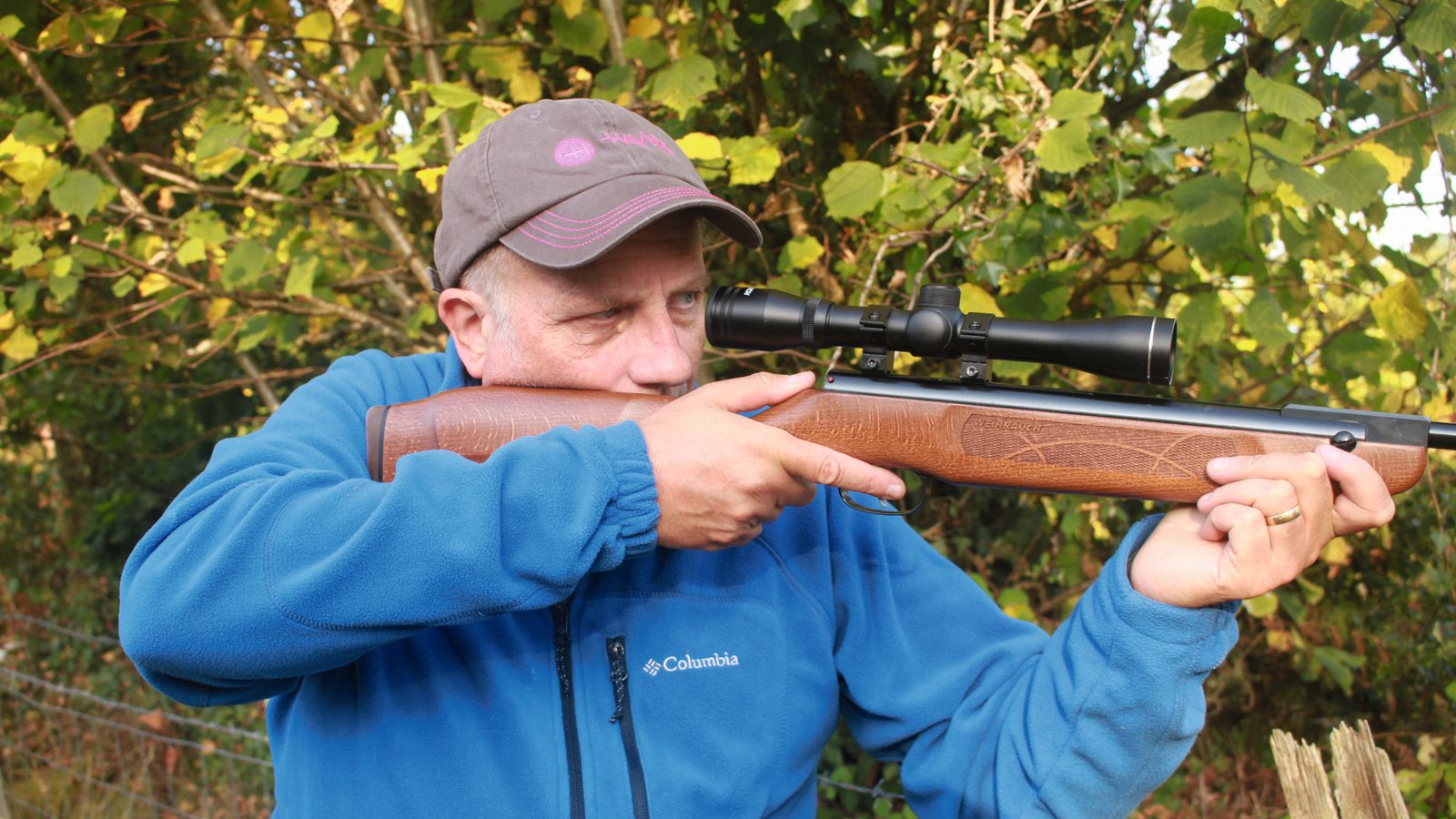
A full strip-down and service of the Weihrauch HW30, published in Airgun World on 17 October 2026, gives the trade a clear picture of what the starter springer looks like inside, which faults a second-hand example is likely to arrive with, and how little a workshop needs to put one right.
Writing in Airgun World, Pete Evans took his own second-hand HW30S apart after a month with the rifle, which he had earlier found had “much to commend this rifle as a back-garden plinker or even short-range pest control rifle”. His account is a service column for the owner, but every stage of it is a point a dealer’s workshop or part-exchange counter will recognise.
What faults does a used HW30 arrive with?
The first problem Evans met was a rounded hex recess on a scope-mount screw, left by a previous owner who had “either been too enthusiastic tightening the forward mount screw or had used an ill-fitting hex key”. His cure was a Torx bit a size larger than the hole, tapped in to grip the remains of the flats. “Socket-head screws which have been rounded are a problem often faced by the airgun engineer, but thankfully there are a few measures that can be used to save you from tears,” he wrote. A replacement screw is needed afterwards.
Two more checks matter on a used gun. The nut captive in the rear of the trigger frame is staked on recent Weihrauchs but loose on older models, where it “was apt to fall out and get lost”; Evans notes it is “a standard M4 size obtainable from any hardware shop”. More seriously, the small slot-head screw securing the back block must be present before the trigger is removed. If it is missing, the trigger pins are all that hold the back block, which will come back under spring tension when they are drifted out.
What does the service itself involve?
Evans is firm that the mainspring needs a spring compressor. “Bear in mind there is a fair amount of preload (63mm) on the spring, so holding that back and undoing the screw will be impossible, unless you happen to be an octopus,” he wrote. A ¾in tap washer buffers the flush back block in the sash cramp without marking the finish. The barrel comes off after the breech bolt’s domed nut and its spring washers, and a thin shim washer sits on each side of the breech block, easily damaged if the gun is reassembled carelessly.
The parts figures are the ones a workshop will want on file. The piston seal is 25mm, “as opposed to the 26mm found on the majority of other Weihrauchs”. The standard spring has a wire diameter of 2.67mm and an overall length of 203mm; Evans found his straight and correctly finished, kept it, and turned a Delrin front guide to stop it buckling. The piston has no liner as standard, so he made a metal one from material three times the piston’s internal diameter in width, anchored by bent-over teeth with the join opposite the cocking-link recess. He also advises checking the cocking link’s articulation on its rivet and the underside of the cylinder for wear tramlines.
Why does the result matter to the counter?
Reassembly turns on the barrel shims, held in place with molybdenum paste and realigned with a non-marring rod before the breech bolt passes through, and on the back block, which must line up perfectly before its retaining screw goes in because it is easy to cross-thread. Over the chronograph the rifle showed a mild rise in power from the front guide’s preload, and the liner cancelled out any extra mechanical noise. “Most importantly, the gun retained its pleasurable firing cycle,” Evans wrote. “All in all, it was a worthwhile exercise, very financially reasonable, with some tangible benefits.”
For the trade, the column makes two points. A sound used HW30 can be made as good as new with a seal, a front guide and an hour on the bench, which supports a part-exchange price. And Evans’s closing aim, “ensuring that it is never considered just a gun for a beginner”, is a selling argument for a rifle whose compact proportions and build quality earned “enthusiastic approval” from a group of adult shooters at a social evening; as he put it, “Testament to its popularity was the difficulty I had getting it back at the end of the evening!” His full column, with its workshop photographs, is linked first below.
Useful links
Weihrauch HW30 strip-down: how to service the HW30, step by step – Pete Evans’s original feature in Airgun World, where these words first appeared
Weihrauch – the maker’s site, with the HW30 and HW30S specifications
Frequently asked questions
What size is the Weihrauch HW30 piston seal?
25mm, rather than the 26mm fitted to most other Weihrauch springers, so a workshop needs the correct part on the shelf.
Does the HW30 need a spring compressor to service?
Yes. There is about 63mm of preload on the mainspring, so the back block must be held in a spring compressor, or sash cramp, while its small retaining screw is removed, with a buffer such as a ¾in tap washer against the flush block.
What should a dealer check on a part-exchange HW30?
The scope-mount screw recesses for rounding, the captive M4 nut in the trigger frame on older examples, the presence of the back-block retaining screw, the barrel shims on each side of the breech block and the piston seal for scorching, a sign of dieseling.
Related articles
Weihrauch HW30S review gives UK dealers a fresh case for the starter springer this autumn – part one of the same test, read for the counter
SGC Group’s formula for success – the state of the UK airgun market in 2026
Optics Warehouse takes aim at airgun retail – a new entrant in the airgun trade
Winning customers for life – six ways gun shops build the loyalty a good workshop earns