 Donate
 Basket
 Login
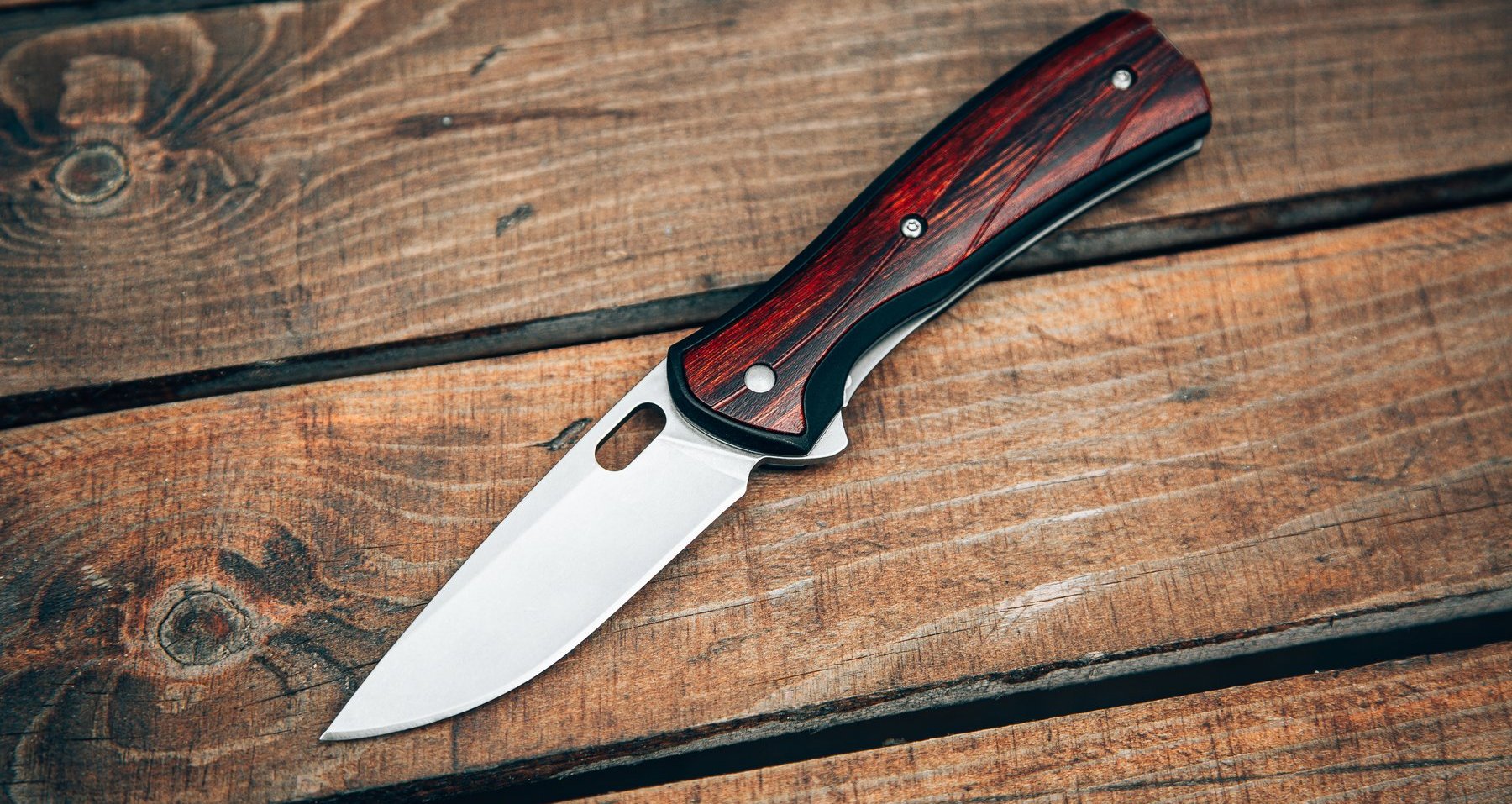
Retailers of sporting and outdoor knives have been given notice of the next regulatory load. The National Knife Crime Centre, the Home Office-funded unit hosted by the National Police Chiefs’ Council (NPCC) since April, published its six-month results on Monday, 2 November, and its head named mandatory bulk sales notifications and voluntary suspicious sales referrals as the tools to come. The centre coordinated the seizure or recovery of 1,364 weapons between 2 April and 28 September, identified 186 grey-market sellers and reported 183 social media accounts for closure.
What are the six-month figures?
Alongside the weapons count the centre contributed to 66 arrests or cautions linked to grey-market sales or importation, 94 charges, 90 of them for importation and four for grey-market sales, and three convictions, with further cases awaiting trial. It reviewed 21 weapons-related websites and identified 18 juveniles of concern. The pattern is a supply-side one: the unit works back from seized blades to the sellers behind them, and the online shop windows it is closing are the social media handles and websites through which prohibited knives reach buyers who could never have bought them over a counter.
The reporting duty the trade should plan for
Commander Stephen Clayman, head of the centre, said: “Mandatory bulk sales notifications and voluntary suspicious sales referrals will enable policing to identify concerning purchasing patterns at scale within England, Wales & Scotland.” He said that “new legislation will also strengthen our ability to intervene” and that the centre is “working with retailers and technology companies”. The release does not say who will report, at what threshold a sale becomes bulk, or when the duty commences, and Northern Ireland is not named. For a dealer or a country store that sells knives alongside guns and kit, the sensible preparation is a sales record that can already answer the question the duty will ask: who bought several blades at once, and whether anything about the order looked wrong.
What does the cross-border case teach?
The centre’s Operation Obex began with a European retailer selling both lawful and prohibited knives to UK customers “without being aware of differences between the two countries’ legislation”. The retailer agreed to stop sales to the UK immediately, and the centre worked its sales data into intelligence on more than 300 purchasers, some suspected of selling on. In the second phase Border Force intercepted dozens of shipments to addresses across England and Wales, hundreds of knives, most of them illegal and including zombie-style machetes, and identified almost 50 customers across 20 force areas; 150 weapons were later seized from two consignments already delivered in Greater Manchester. For any UK retailer trading into Europe, or distributor bringing stock in, the lesson is that compliance is checked at the border and at the parcel hub, and that a mistaken reading of another country’s law was enough to bring the centre to the retailer’s door.
What happens next
Policing minister Sarah Jones said: “With knife crime down 11% in two years, we’re making progress but there is more to do,” and the Government has launched its No Place for Knives campaign in Birmingham, Westminster and Croydon. Pooja Kanda, whose son Ronan was murdered in June 2022, used the release to call for a licensing system for knife retailers, which is not government policy but is now on the record beside the results. Gun Trade Insider will report the legislation’s thresholds and commencement date when they are published; the Gun Trade Association is the trade’s representative body, and its view will be worth having when the detail lands.
Useful links
National Police Chiefs’ Council – the centre’s six-month results and the Obex detail
Gun Trade Association – the trade body for the retailers the reporting duty will reach
Frequently asked questions
What is the National Knife Crime Centre?
A Home Office-funded national unit launched in April 2026 and hosted by the National Police Chiefs’ Council, which coordinates forces against the supply of knives and offensive weapons rather than individual street offences.
What are mandatory bulk sales notifications?
A planned duty, named by the centre’s head, for sales of knives in bulk to be notified to the police across England, Wales and Scotland, alongside voluntary referrals of suspicious sales; the threshold and start date have not been published.
How many charges has the centre brought?
It contributed to 94 charges in six months, 90 for importation and four for grey-market sales, with three convictions so far.
Related articles
National Knife Crime Centre seizes 1,364 weapons in six months – the consumer telling of the results on ShootingUK
Retailers told to tighten knife marketing at Home Office summits – the Home Office’s direct ask of the trade
Single firearms licensing authority considered for England and Wales – the other regulatory reform on the trade’s horizon