 Donate
 Basket
 Login
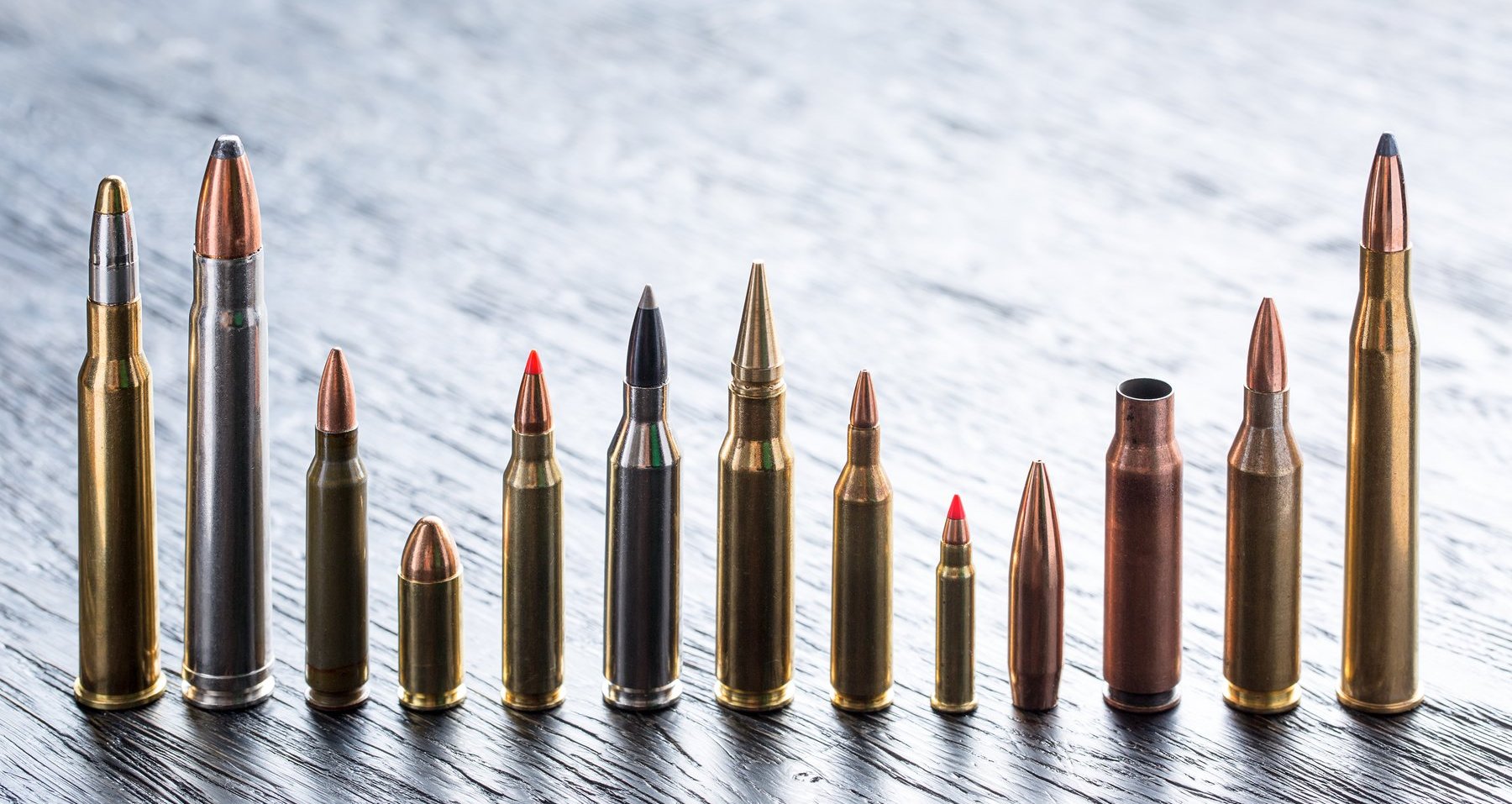
Every dealer who has held a rifle on deposit while a customer argued a calibre with a licensing department now has a document to point the customer at. The College of Policing’s Firearms Licensing: An Introductory Guide to Cartridges and Calibres was developed with the British Shooting Sports Council (BSSC) and carries specialist contributions from the technical director of the Gun Trade Association (GTA) and the chair of the Historical Breechloading Smallarms Association (HBSA), and the council published it on 25 November.
What the trade put into the guide
The document is version 6.0, dated September 2026, and runs to more than 30 pages for enquiry officers and licensing decision-makers in England and Wales. Its sections give a quick reference to rimfire, centrefire and larger calibres; the legal minimum calibres and muzzle energies for deer in England and Wales with indicative distances; Section 1 and Section 2 shotguns; target, vintage and classic cartridges; typical application scenarios with the key questions an officer should ask and a decision checklist; common matters that need further enquiry; frequently asked questions; and a glossary.
The GTA’s technical director is acknowledged alongside the HBSA chair for specialist input, which puts the trade’s product knowledge inside a policing document. The foreword describes the guide “as a practical reference document for firearms licensing staff when considering firearms, cartridges and calibres”, to support professional judgement rather than replace legislation, Home Office guidance or force policy.
Why consistent calibre decisions matter at the counter
A Section 1 sale waits on the variation. When one force conditions a .308 Winchester to deer only and the neighbouring force grants it for fox and deer without comment, the dealer carries the stock, the customer carries the frustration and the trade association carries the correspondence. The BSSC says the guide should mean more consistent decisions on variations between forces, fewer unnecessary conditions or refusals and fewer misunderstandings at the kitchen table, and it called the project a model for how policing, the shooting organisations and the trade can work together.
The guide’s working principle is the one dealers make daily: “cartridge or calibre alone is rarely a reliable indicator of suitability, risk, or intended use.” A business that stocks the calibres in the quick-reference tables and sells the cartridges in the vintage and classic section can now expect the officer on the other side of the transaction to have read the same descriptions.
The numbers behind the welcome
The latest National Police Chiefs’ Council (NPCC) figures show 68.76% of grant and renewal applications completed within four months, a fifth consecutive quarterly fall, with 114,409 renewals due in 2027, a bulge that will pass through every licensing department and every dealer’s order book at once. The August report of His Majesty’s Inspectorate of Constabulary and Fire & Rescue Services (HMICFRS) recommended bringing shotgun controls into line with those on other firearms, a consultation the Home Office says will come in due course; if it proceeds, the good-reason conversation the guide is built for would extend to every shotgun sale in England and Wales.
What happens next
The guide can be downloaded from the useful information page of the BSSC website, and a dealer can keep a copy by the counter for customers preparing a variation. The College of Policing has not issued its own announcement, and neither BASC, the GTA nor the National Rifle Association had published a statement by 26 November. The council says it will keep working with the College on updates.
Useful links
British Shooting Sports Council – the council’s announcement of the guide and the download on its useful information page
College of Policing – the professional body for policing that developed the guide
Gun Trade Association – the trade body whose technical director contributed to the guide
Home Office – the latest firearm and shotgun certificate statistics for England and Wales
Frequently asked questions
Who wrote the College of Policing cartridges and calibres guide?
The College of Policing developed it in partnership with the British Shooting Sports Council, with specialist contributions acknowledged from the technical director of the Gun Trade Association and the chair of the Historical Breechloading Smallarms Association. It is version 6.0, dated September 2026.
Does the guide change what a dealer can sell or transfer?
No. It is a reference for enquiry officers in England and Wales and restates the law; a Section 1 firearm still transfers only once the buyer’s certificate carries the authority for it.
Where can the trade read the guide?
The British Shooting Sports Council has published the PDF on the useful information page of its website, bssc.org.uk.
Related articles
Gun Trade Association report: 16-body coalition against shotgun reform – the trade body’s position on the shotgun review the guide may serve
Licensing backlog in Sussex: renewals bulge to hit dealers in 2027 – the 2027 renewals wave as it will reach one force area
Prevention of Future Deaths report ordered on shotgun renewal checks – the other pressure on renewal checks this winter
Licensing overhaul goes on the statutory record – the inspectorate’s case for reorganising firearms licensing
Police guide to cartridges and calibres written with shooting bodies – the full story of the guide’s publication on ShootingUK