 Donate
 Basket
 Login
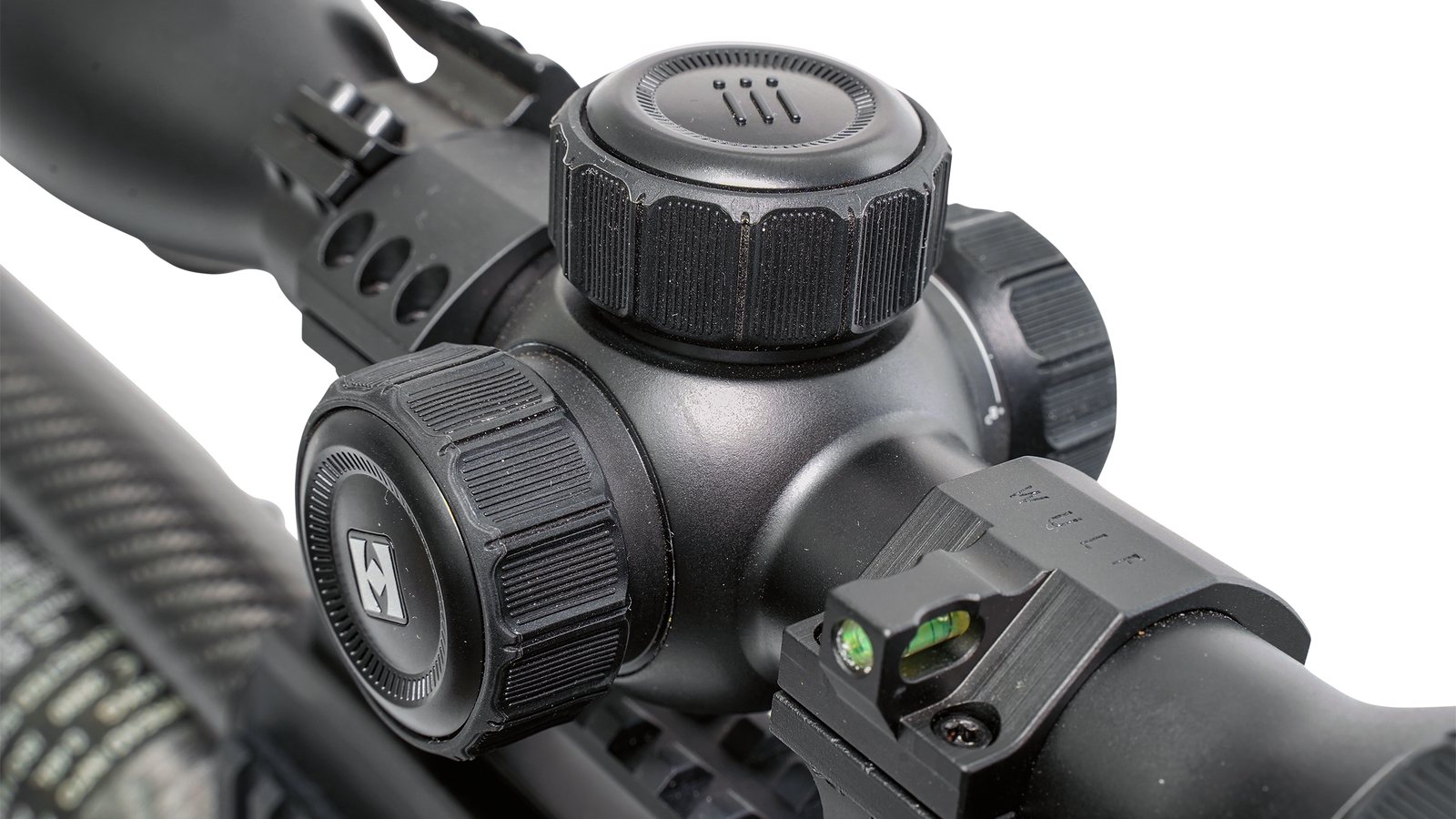
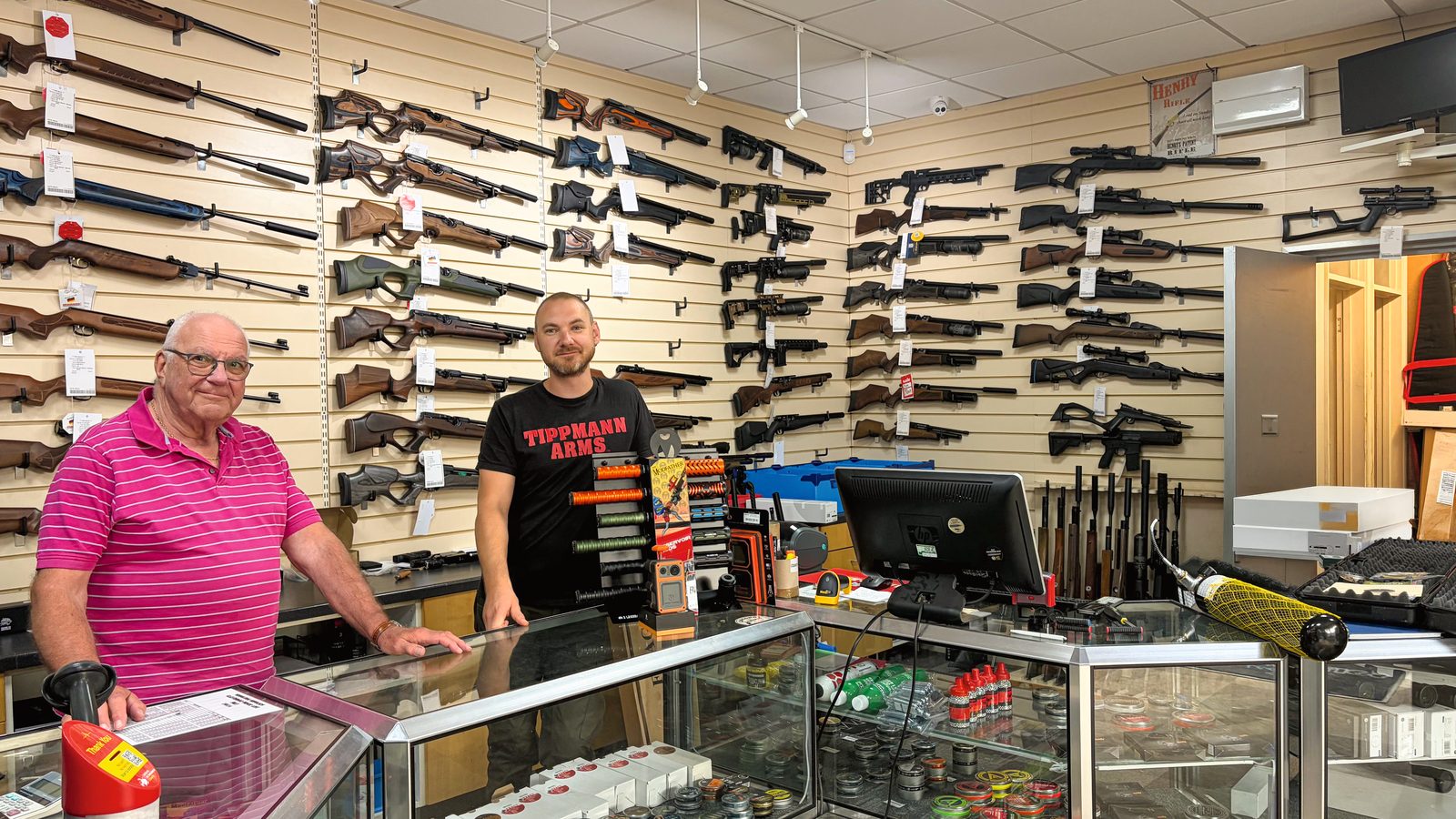
A decade ago, night vision meant a heavy, fragile, eye-wateringly expensive tube that lived in a drawer for all but a few nights a year. Today a shooter can walk into a dealer and leave with a single digital scope that runs from midday to midnight for the price of a mid-range glass optic. That shift has been one of the fastest-moving categories on the counter, and for good reason. But as someone who develops projectiles for a living – and who runs a HIKMICRO Alpex Pro on my own rifle – I think it’s worth the trade understanding not just why these scopes sell, but where they still fall short. The dealers who can speak to both will sell more of them, and to better customers.
The case for going digital
The headline advantage is obvious: one optic, day and night, with no swapping and no separate dedicated NV unit. For the foxer or the ratter that alone justifies the purchase. Underneath it sit a stack of features glass simply cannot offer. Onboard recording and stills – invaluable for content, for evidence of humane dispatch, and increasingly for customers who want to share their sport. Integrated laser rangefinding tied to a ballistic calculator, so the scope ranges the target and offers a firing solution. Multiple selectable reticles in various colours, none of which can be damaged or lost. And, crucially, firmware that can be updated, meaning the scope a customer buys can genuinely improve after it leaves the shop.

There’s a neat technical bonus too, one worth knowing when a customer raises it: digital scopes have no parallax in the optical sense. The reticle is drawn electronically on the display over the sensor image, so it cannot shift against the target with head position the way a second-focal-plane glass scope’s can. That removes a whole category of aiming error that trips up less experienced shooters.
And then there’s value. The capability-per-pound has collapsed in the buyer’s favour. Detection ranges and image quality that were flagship-only three years ago are now mid-tier. For a trade managing customers who’ve always assumed NV was out of reach, that’s a powerful conversation.
Where the maths gets awkward: drag models and ballistic coefficients
Here is where my professional interest kicks in, and where the category still has homework to do. The ballistic solvers built into these scopes are a genuine selling point – but they inherit assumptions from the centrefire world that don’t always survive contact with the airgun and rimfire shooters who buy them.
Take drag models. Most solvers – the Alpex Pro’s included – offer G1, G7 and sometimes a spherical coefficient. Those reference projectiles – a flat-based ogive bullet, a long boat-tail spitzer, a round ball – are fine for the rifles they were derived for. But a great many digital scopes end up on sub-12 air rifles, and a diabolo pellet looks nothing like any of them. It’s a wasp-waisted, hollow-skirted, high-drag shape whose drag signature is a poor match to those models, which means the effective ballistic coefficient drifts wildly as the pellet slows. Feed a single G1 number into the solver and it will look right at the muzzle and lie to you downrange, precisely where holdover matters most. The fix exists – a diabolo-appropriate drag model – and the manufacturers who adopt it will own the airgun market.
The same theme runs through BC handling more broadly. A single coefficient, however carefully chosen, is a compromise across the velocity band. The better answer, well established in serious ballistic software, is to let the user true the curve from their own verified drop data at multiple ranges, shaping the model to the projectile rather than forcing the projectile onto a model. Very few onboard solvers allow it. They could.
There’s a common trap worth warning customers away from here, because it quietly wrecks accuracy. Faced with a solver that won’t quite match their drop, many shooters “fix” it by winding the muzzle velocity up or down until the numbers agree – all while running an incorrect BC. It works at the range they tuned it to and falls apart everywhere else. Velocity is the one input you can actually measure: put a chronograph on the rifle, take a real average, and enter that. Then true the BC, which is the figure carrying the genuine uncertainty. Correct the unknown, not the known, and you’ll hold far less error across the whole trajectory. And don’t get anchored to the projectile manufacturer’s stated BC – those figures rarely correlate with what a low-to-mid-price digital optic’s solver actually does with them, so treat the printed number as a starting point, not gospel.
Reticles deserve a mention too. A hash-marked reticle is only useful for rapid holdover if the shooter knows what each mark subtends – and on a surprising number of digital scopes, mine included, it is simply not documented whether the graduations are mils, MOA, or an arbitrary spacing. For a customer trying to build a dope card, that’s a real obstacle, and an easy one for makers to remove: state the subtension, at a stated magnification, in the manual. On a variable digital zoom that reference magnification matters, and it’s rarely made clear.

The practical caveats of digital riflescopes
Beyond the ballistics, the trade should set expectations honestly. These are electronic devices: a flat battery is a dead scope, where glass always works. Image quality in good daylight still trails a quality glass optic, and there’s an important distinction between detecting something and positively identifying it – worth spelling out to a customer who imagines daytime clarity in the dark. Digital zoom degrades the image, so the useful magnification is anchored to the base optical power. Zeroing is electronic, shifting the reticle within a finite window on the sensor, which can occasionally catch out an unusual mount height or a big cant. None of these is a dealbreaker. All are worth a customer knowing before they buy, not after.
There’s also a segment the current designs quietly exclude: the shooter who works to their own dope and wants to dial. Police, military and serious target users often don’t want an automated firing solution at all – they want manual elevation and windage they can trust and repeat. Digital scopes that offered proper manual adjustment alongside the clever automation would open a door that’s currently shut.
Paul Bradley is a professional ballistician within the Beretta Group, developing projectiles in service with NATO militaries, and a regular contributor to the shooting press. He runs a HIKMICRO Alpex Pro.
Frequently asked questions
Do digital riflescopes have parallax?
Not in the optical sense. The reticle is drawn electronically on the display over the sensor image, so it cannot shift against the target with head position as a second-focal-plane glass scope’s can.
Why do digital scope ballistic solvers struggle with air rifle pellets?
Most offer G1, G7 and sometimes a spherical drag model, none of which matches a high-drag diabolo pellet. The effective ballistic coefficient drifts as the pellet slows, so a single G1 figure can look right at the muzzle and be wrong downrange.
Should you change muzzle velocity to make a ballistic solver match your drops?
No. Measure velocity with a chronograph and enter the real average, then true the ballistic coefficient, which is the figure carrying the genuine uncertainty. Tuning velocity to fit only works at the range it was tuned to.
Related articles
Terminal ballistics – heavier bullets are better right? – An earlier Ballistics breakdown.
Subsonic – pros and cons – More ballistics for the trade counter.