 Donate
 Basket
 Login
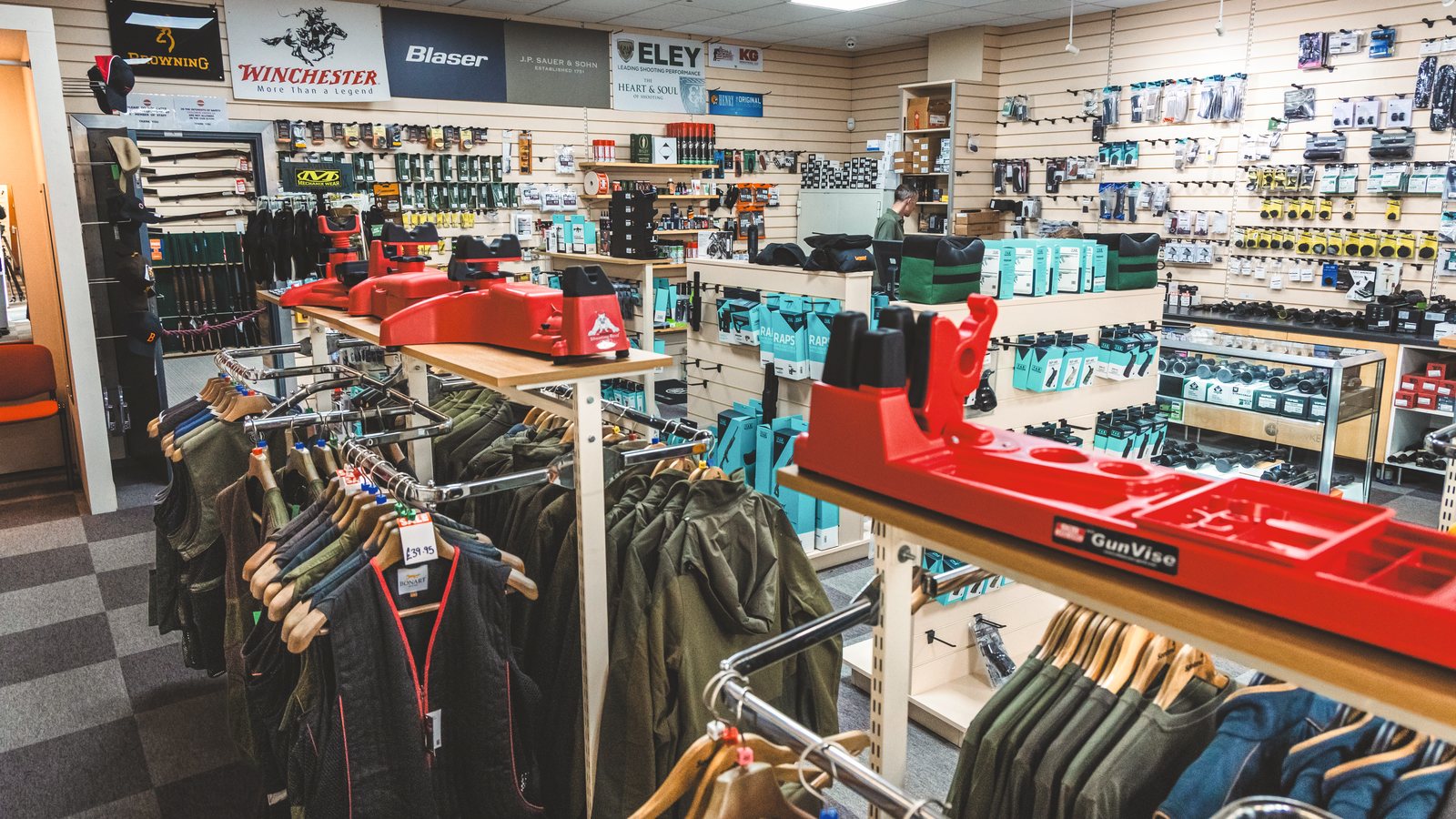
Stock is essential to a firearms retailer. Customers expect to see products, compare options and, where possible, take a purchase away that day. But every item on the shelf also represents cash tied up in the business.
The challenge is to carry enough stock to meet demand without filling the shop, storeroom and gun racks with products that remain unsold for months. This is particularly important where retailers carry a broad range of guns, optics, ammunition, clothing, accessories and parts.
Good stock control does not mean simply buying less. It means understanding what sells, why it sells and when it should be replenished. Here are five practical ways to make stock work harder.
1. Know the age of every line
Most retailers can identify their bestsellers quickly. The greater opportunity often lies in identifying the items that have sat unnoticed for too long.
Run a regular report showing stock by age, value and recent sales. The exact periods will vary by category. A premium rifle or high-end optic may take longer to sell than pellets, cleaning products or ear protection, while seasonal clothing may have a clear selling window.
The purpose is to distinguish between stock that is simply awaiting the right customer and stock that has lost momentum. A product that has been in the business for 12 months without generating enquiries needs attention, particularly if several similar items are held.
Give each ageing line a clear status: retain, promote, reduce or stop buying. This prevents slow-moving products from becoming part of the furniture.
2. Look beyond the individual product
A line can appear slow-moving when viewed in isolation but still serve an important purpose within a category.
For example, a retailer may sell only a small number of premium riflescopes, but those products can help establish the business as a serious optics destination and provide a useful upgrade option during a larger sale. Equally, a specific clothing size may sell infrequently but remain necessary to make a range credible.
Ask whether each product earns its place by generating direct sales, supporting related purchases or giving customers confidence in the breadth of the offer.
This is different from keeping stock because it might sell eventually. The question is whether the line has a defined commercial role. If it does not, the money may be better used on faster-selling alternatives, demonstration models or stock that supports the retailer’s core customer base.
3. Reorder from evidence, not instinct
Supplier launches, show conversations and product reviews can all create excitement. They should not be the only reason to place an order.
Before reordering, look at what has actually sold over the previous three, six or 12 months. Check which colours, sizes, calibres and price points move quickest. A range may be popular overall, but one configuration could account for most sales.
Use that information to set sensible minimum and maximum levels. Fast-moving essentials should be replenished before they become a missed sale. Slower items may be better ordered only when demand is proven or when a customer commits to a purchase.
Staff input matters here. Sales data can show what sold, but staff will often know why a customer chose another product or left without buying. That information can help a retailer avoid repeating an unproductive order.
4. Give slow-moving stock an active plan
Discounting should not be the first response to slow stock. Before reducing the price, make sure customers have had a fair chance to see, handle and understand the product.
Move it to a better display position, add clear product information or place it alongside relevant accessories. Ask staff to familiarise themselves with the line and identify the customer for whom it may be a suitable choice.
Bundling can also create value without immediately cutting margin. A rifle, mount and cleaning package, or an optic supplied with the appropriate batteries and a lens-care kit, can give a customer a clearer reason to choose a particular product.
If these steps do not improve interest, act decisively. A controlled reduction is usually preferable to allowing stock to continue ageing. The cash released can be reinvested in a better-selling line.
5. Review the buying process
Buying decisions should be reviewed as closely as sales performance. Look at where stock has come from, whether supplier terms remain appropriate and how much flexibility the business has if demand changes.
Suppliers may be able to support a retailer with demonstration stock, smaller initial orders, display material or access to products at short notice. Those conversations are especially valuable when considering a new category or a premium line with a longer selling cycle.
Avoid placing an order simply to reach a supplier threshold or because a product is newly available. The best purchase order is one with a clear reason behind every line: a proven seller, a known customer requirement, a gap in the range or a deliberate test.
What does effective stock control achieve?
Effective stock control protects cash, improves availability and makes the shop easier for both customers and staff to navigate. It does not require a retailer to remove choice or stop trying new products.
It requires regular attention. By reviewing ageing stock, understanding each line’s purpose and buying from evidence, retailers can keep more of their capital focused on products that support sales, margin and customer service.
Frequently asked questions
How should a gun shop track ageing stock?
Run a regular report showing stock by age, value and recent sales, then give each ageing line a clear status: retain, promote, reduce or stop buying.
Should a retailer keep a line that sells slowly?
Only if it has a defined commercial role – supporting related purchases, providing an upgrade option or making a range credible. If it does not, the money may be better used on faster-selling alternatives.
What should you do with slow-moving stock before discounting it?
Move it to a better display position, add clear product information, place it alongside relevant accessories, brief staff on it or bundle it. If interest still does not improve, a controlled reduction is usually better than letting it age.
How should reorder levels be set?
Look at what has actually sold over the previous three, six or 12 months, including which colours, sizes, calibres and price points move quickest, and set sensible minimum and maximum levels from that.
Related articles
Turning more enquiries into sales – The Retail Edge before that, on converting enquiries.
How firearms retailers can diversify and thrive – Broadening the range without losing focus.