 Donate
 Basket
 Login
Login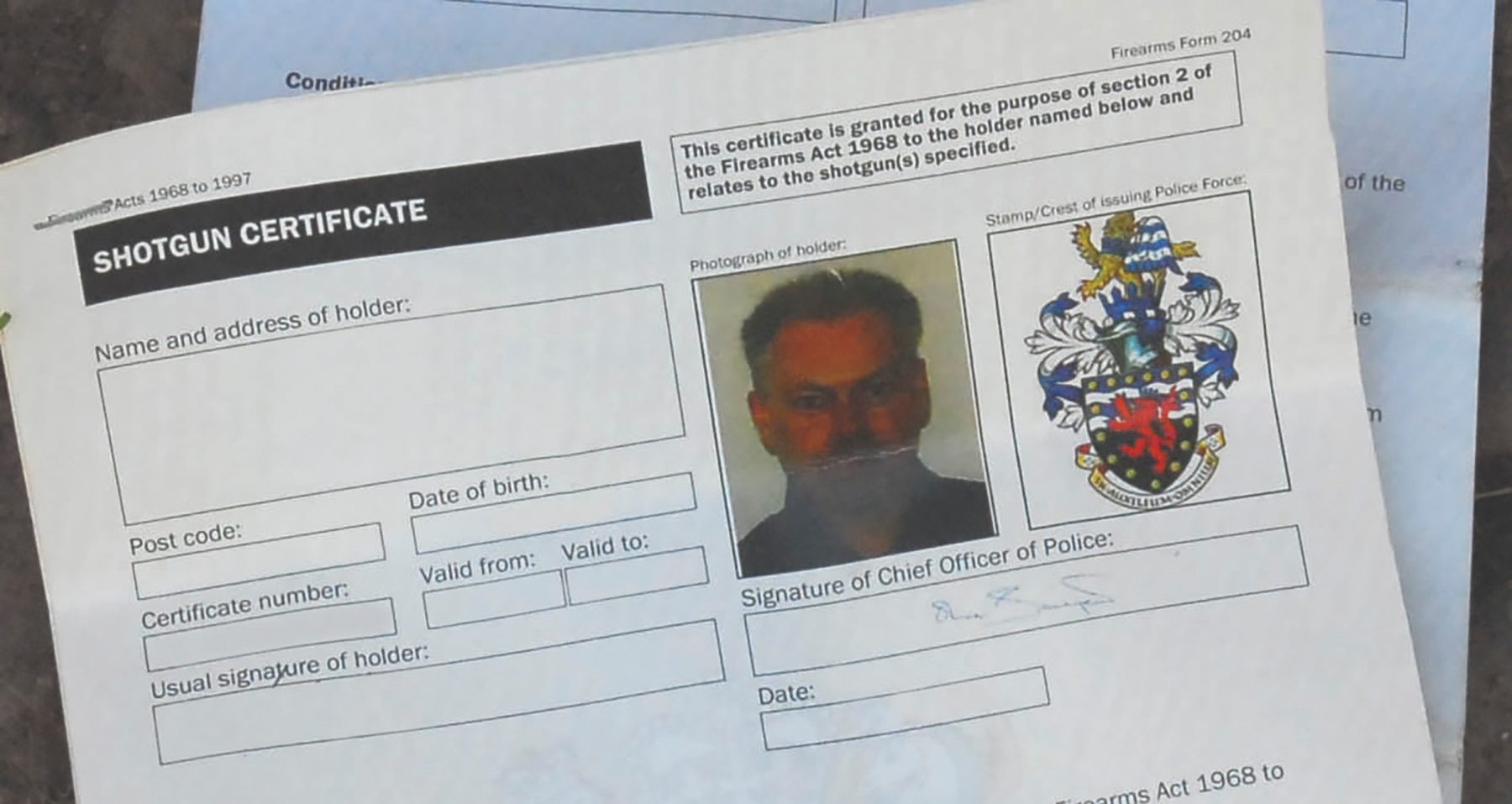
The answers, given to peers and published on 20 July, put a system that dictates who may legally buy a gun squarely in the hands of chief constables and police and crime commissioners. They also remove the Whitehall lever the industry’s push for reform had been pulling.
What did ministers actually say?
Answering written questions from Lord Swire, Home Office minister Lord Hanson of Flint said processing times and resourcing “are matters for individual Chief Officers of Police and Police and Crime Commissioners”. He also confirmed the department “has not routinely collected data on the time taken” to renew shotgun and firearm certificates over the past five years. Asked whether the Government would rank forces by processing speed, he gave no commitment to do so.
Why does this matter for RFDs?
Every registered firearms dealer knows the commercial cost of the queue: a customer whose renewal sits unprocessed cannot lawfully take delivery, buy ammunition against a certificate or, in many cases, complete a sale already agreed. Delays have dogged the system for years, with members left without valid certificates through no fault of their own. A Whitehall stance that treats processing performance as a local policing matter offers dealers no central remedy when a force’s backlog stalls their trade.
What is the four-month target worth?
Lord Hanson pointed to the quarterly performance data now published by the National Police Chiefs’ Council (NPCC), which carries a new target for forces to complete grants and renewals within four months of receipt. The target followed sustained pressure from shooting and trade organisations for transparency on force-by-force performance, and it is the nearest thing the sector has to a benchmark. Its value, though, depends on publication: the NPCC’s first-quarter figures for 2026-27, which would show whether forces are meeting it, had not appeared when this story was written.
What does it mean for the reform push?
The trade is paying more for a service Whitehall says it does not monitor centrally. Fees rose on 5 February 2025 to achieve “full cost recovery” and, Lord Hanson confirmed, “increased again on 6 June this year by the rate of inflation”. Meanwhile the Home Office’s June bulletin showed shotgun certificates at their lowest level since records began in 2007 and firearm certificates at their lowest since 2009: a shrinking certificated customer base is the backdrop to every dealer’s year, and every gun shop counter in the country will feel the difference between a four-month renewal and a fourteen-month one. With Parliament risen until 1 September, the licensing file passes to the new Home Office team under Prime Minister Andy Burnham, and the industry’s case for a faster, transparent and centrally accountable system carries into the new term. A separate question on authorised firearms officer numbers, tabled by Sarah Pochin MP on 1 July, remains unanswered.