 Donate
 Basket
 Login
Login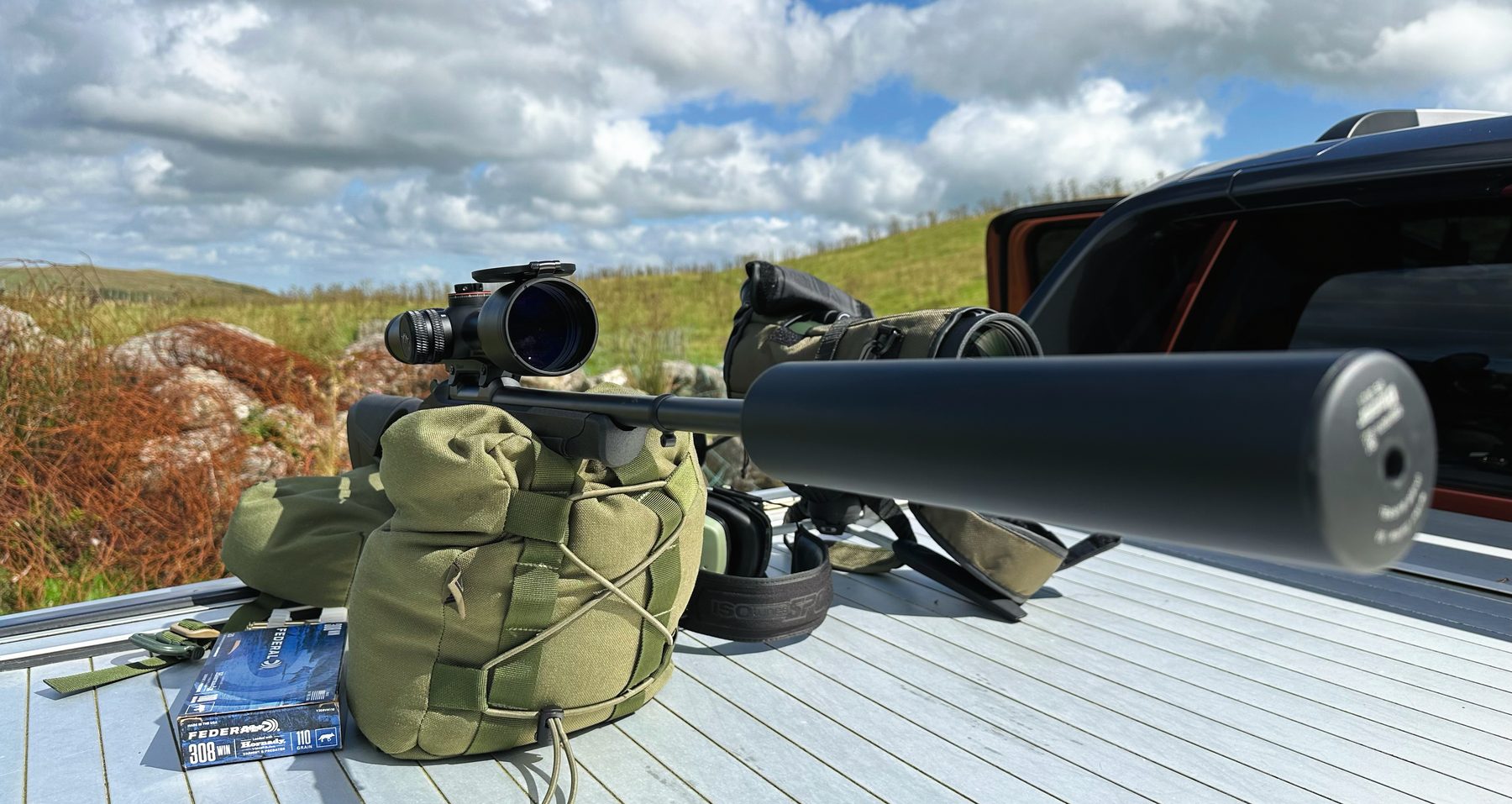
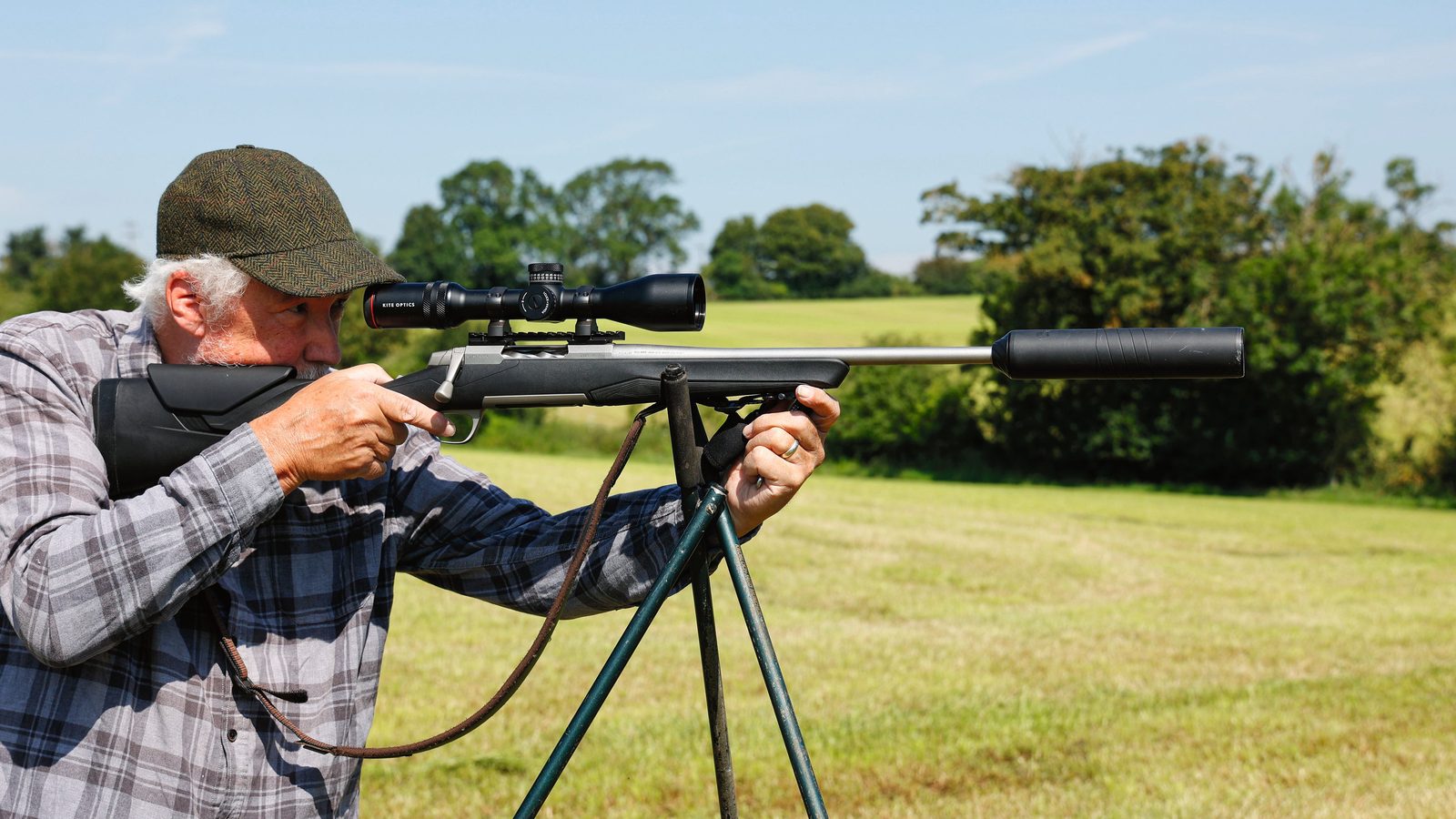
Section 44 of the Crime and Policing Act 2026, in force across England, Wales and Scotland since 29 June, removed sound moderators from the definition of a firearm. Legal guidance from the British Shooting Sports Council (BSSC), prepared with its legal adviser Nick Doherty, sets out what that means in practice for every dealer whose till takes a moderator sale.
What no longer needs recording at the counter?
A moderator no longer needs to be listed on a firearm certificate, no variation is needed to acquire one, and moderators are no longer entered on the National Firearms Licensing Management System. Existing certificate entries need no attention and will simply fall away when the certificate next comes up for renewal, so the entries presented across the counter need no correcting either. “For existing certificate holders, there is nothing that needs to be done,” the guidance states.
The BSSC said the reform “removes an unnecessary administrative burden on both certificate holders and police firearms licensing departments”, and for the shop the practical effect is that a moderator sale no longer generates a licensing entry at all.
Must the seller check a buyer’s authority?
The guidance is explicit on the point that matters most at the counter: sellers are not obliged to check a buyer’s authority before completing a sale. “The onus to have authority to hold a sound moderator lies with possessor,” it notes. Moderators intended solely for shotguns, or for air rifles that need no certificate, may be bought by anyone, and moderators fitted to airsoft, paintball or deactivated guns are unrestricted. References to moderators throughout the guidance include flash hiders.
Which offence remains, and who does it bite?
One offence survives the reform, and it sits with the customer rather than the shop. “Where a sound moderator is intended to be used with a Section 1 firearm it is an offence to be in possession of such an item unless the owner holds a current firearm or shotgun certificate,” the guidance states; unlawful possession is a summary offence carrying a fine of up to level 3. The other side of the coin is equally clear: “A person who may lawfully possess a Section 1 firearm may also acquire and possess a sound moderator intended to be fitted to that firearm, without any separate authority or certification.” The test is what the moderator is intended for, judged objectively; technical compatibility with other firearms does not matter.
What is the Scottish caveat?
One line of paperwork remains north of the border. Sound moderators for air guns are still subject to separate licensing requirements in Scotland, where air weapons are licensed under their own regime, so the position is worth checking before an airgun moderator is sold to a Scottish customer.
What happens next
The BSSC thanked its president, Lord Brady of Altrincham, for tabling the House of Lords amendment that helped secure the change, which the Countryside Alliance also counts as the result of its long-running campaign. The guidance in full is available through the BSSC, linked below with the Countryside Alliance’s summary.