 Donate
 Basket
 Login
LoginTrade uncertainty, how tariffs are affecting the UK gun industry New US import tariffs risk shaking confidence across the UK gun trade. Stephen Jolly, executive director of the Gun Trade Association, outlines the growing impact on manufacturers, exporters and specialist suppliers – and why clarity in trade policy is urgently needed.
The recent announcement of new US import tariffs has created unease across the UK shooting trade. While the UK currently faces a 10% blanket tariff for exports into the United States, the broader trade environment remains volatile and unpredictable, with some manufacturers now pausing or reconsidering their approach to the US market.
In my role at the Gun Trade Association (GTA), I’ve heard from several members who are already feeling the impact. One manufacturer, for example, was recently advised by its USbased parent company to suspend a sizeable shipment. The concern? Uncertainty about how the shipment would be treated upon arrival and what additional costs might apply. This level of unpredictability is proving an obstacle for exporters.
There are also growing concerns about the risk of retaliatory tariffs, with some firearms, ammunition and accessories appearing on lists under consideration. Businesses that specialise in home defence firearms or components designed specifically for the US market – often small, highly specialised firms – face the greatest exposure. Even ancillary manufacturers, such as those producing high-end gun cases, are expressing caution. For many of these firms, the US is their largest or only export market.
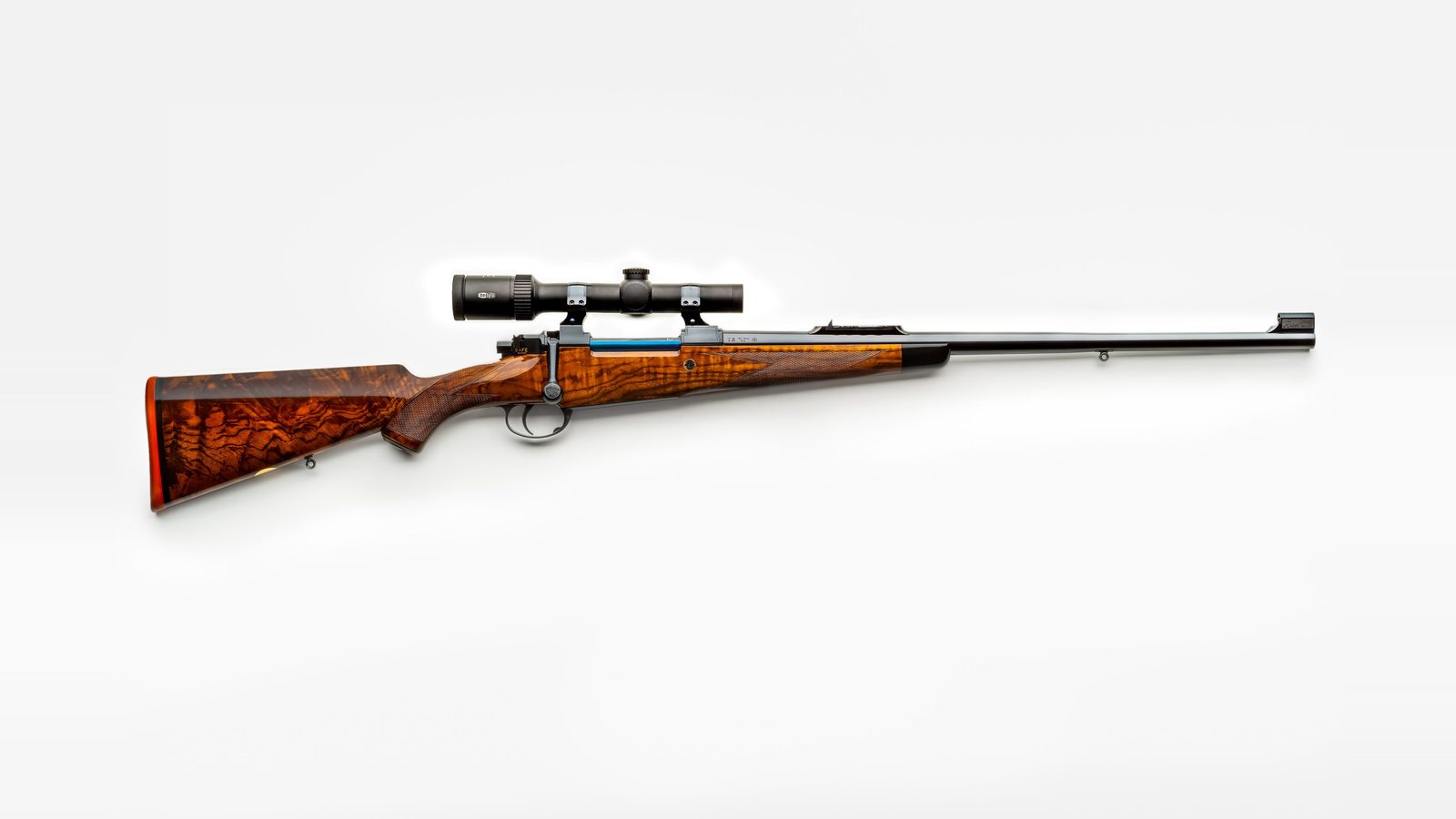
While the tariff on fine guns may seem modest in percentage terms, at 10%, it’s not insignificant. Makers of premium English shotguns may not be affected in terms of consumer demand due to the high-end nature of their products. However, independent makers focused on the US market are now questioning whether setting up manufacturing workshops in the US could mitigate the impact – though this raises additional questions about authenticity and cost-effectiveness. Is it still an English gun if it’s built in Connecticut?
Ammunition manufacturers face an even more complex challenge. European regulatory changes are adding to the pressure, with new lead restrictions in the pipeline. UK manufacturers are contending with dual pressures: tariffs from the US and tightening environmental legislation at home and abroad. There is also significant concern about the rising cost of raw materials due to global supply chain issues and geopolitical tensions – particularly in relation to China, which controls a large share of the rare metals market. Prices for metals like bismuth or a metalloid like antimony have soared. These cost increases will inevitably feed through to the retail price of shotgun ammunition.
While larger companies are better equipped to absorb some of these shocks, small manufacturers and early-stage innovators are in a much more precarious position. One company, I recently spoke with has designed a firearm designed specifically for the US market. Investors backing such companies are understandably anxious. A 10% tariff might not seem steep, but it can eliminate already-tight margins, limit market entry and discourage further innovation.
More broadly, this uncertainty undermines confidence. Businesses cannot make strategic decisions or invest for the long term when policy is shifting rapidly. A recent Institute of Chartered Accountants in England and Wales (ICAEW) report noted that UK business sentiment is at its lowest since 2022, driven in part by domestic tax increases and fears over trade restrictions. Within the shooting industry, the mood is similarly cautious. Many members are adopting a wait-and-see approach, holding back on decisions until the picture becomes clearer.
While the GTA does not take a position on political outcomes, we have formally stated our opposition to tariffs and our concern over the possibility of retaliatory measures. We have also responded to a government consultation on international trade, outlining our sector’s contributions to the economy and the risks posed by a hostile trading environment.
As part of our response, I have written directly to the Secretary of State for Business & Trade to express our industry’s concern about the imposition of a 10% tariff on British exports to the United States. In that letter, I urged the Government to avoid retaliatory measures that risk worsening the current situation and instead focus on securing a bilateral free trade agreement with the US administration. I also took the opportunity to highlight the contribution our sector makes to the UK economy – more than £3 billion annually and around 70,000 jobs across manufacturing, distribution, retail and associated services. The GTA is committed to working with the Government to protect and promote that prosperity.
The US administration’s stance on tariffs is deeply ideological, aimed at protecting domestic production. But such policies can have unintended consequences for allies and trading partners. The UK gun trade may only be modest in size, but it contributes to the wider economy and supports skilled manufacturing, exports and innovation. The effects of this trade friction are being felt beyond just the largest players.
For now, we continue to monitor developments closely, keep our members informed and advocate where we can. Our message is simple: clarity, consistency and fairness in trade policy are essential for the UK gun trade to compete and thrive on the world stage.
GET IN TOUCH T: 01684 291868 E: enquiries@gtaltd.co.uk W: www.gtaltd.co.uk