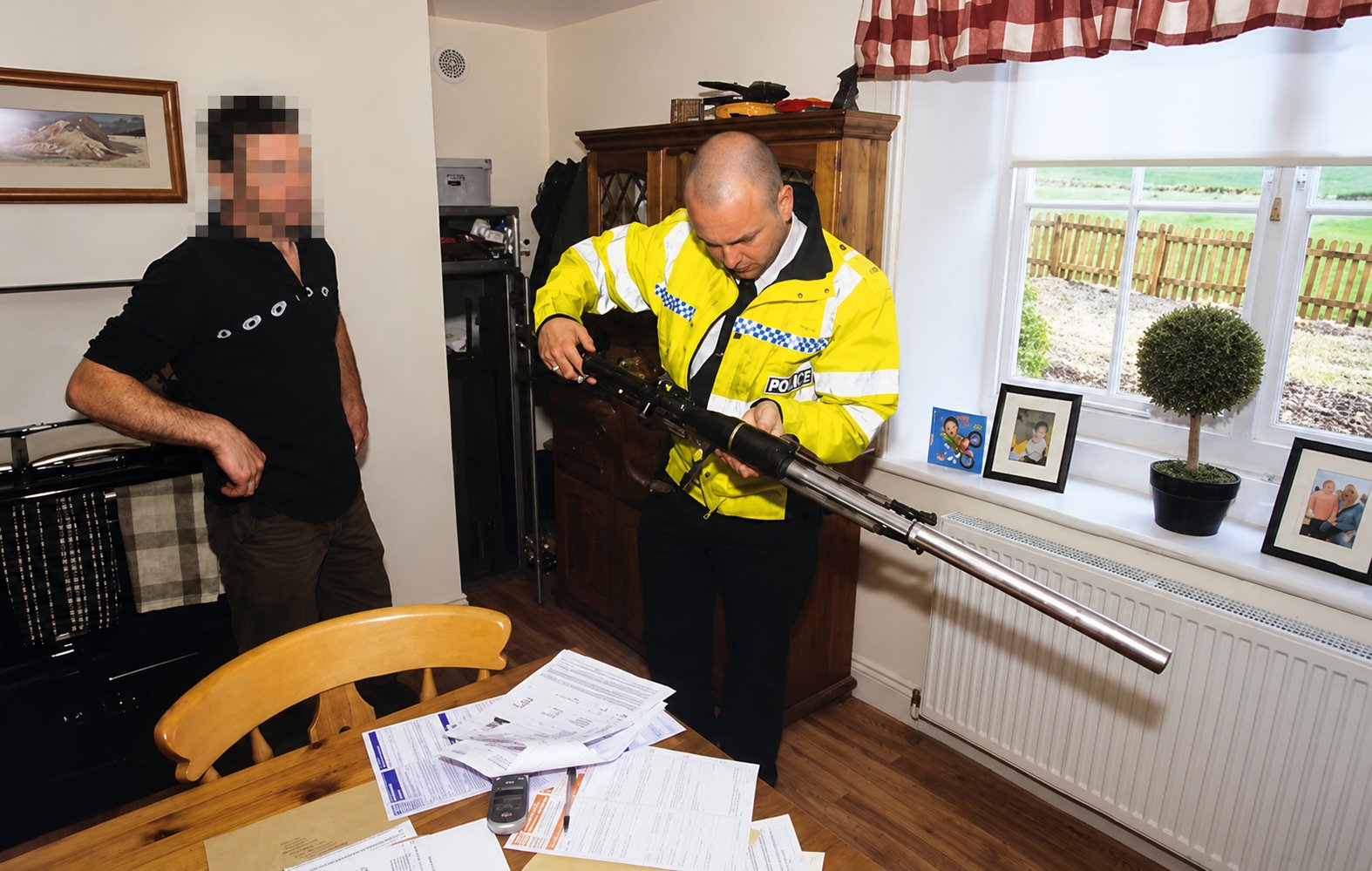
The trade has campaigned for licensing reform for years; today (28 August) it got a police watchdog report that proposes more of it than anyone asked for. His Majesty’s Inspectorate of Constabulary and Fire and Rescue Services (HMICFRS) declares firearms licensing in England and Wales not fit for purpose and makes 23 recommendations, from a single national licensing authority, to digital certificate verification at the point of sale.
What is proposed?
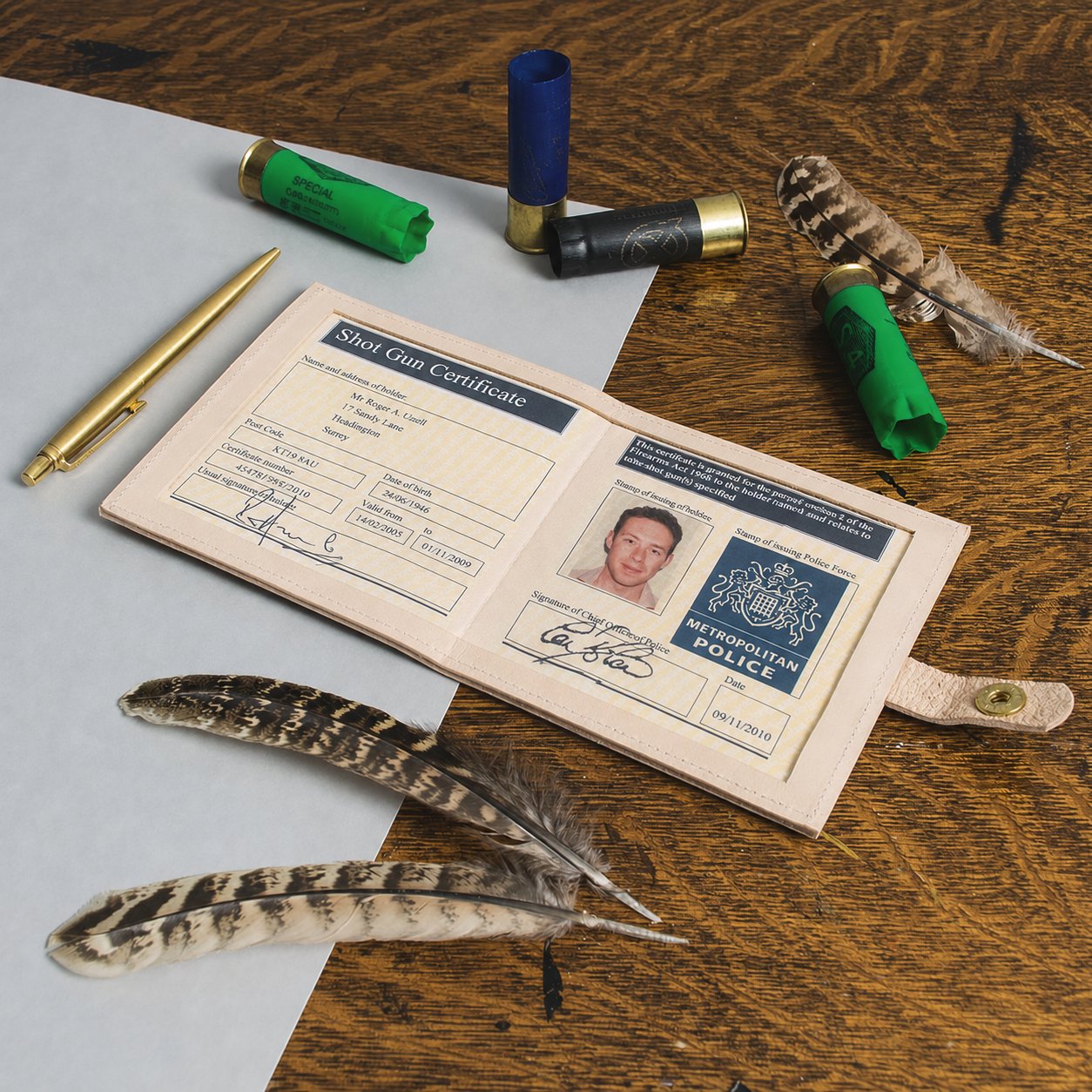
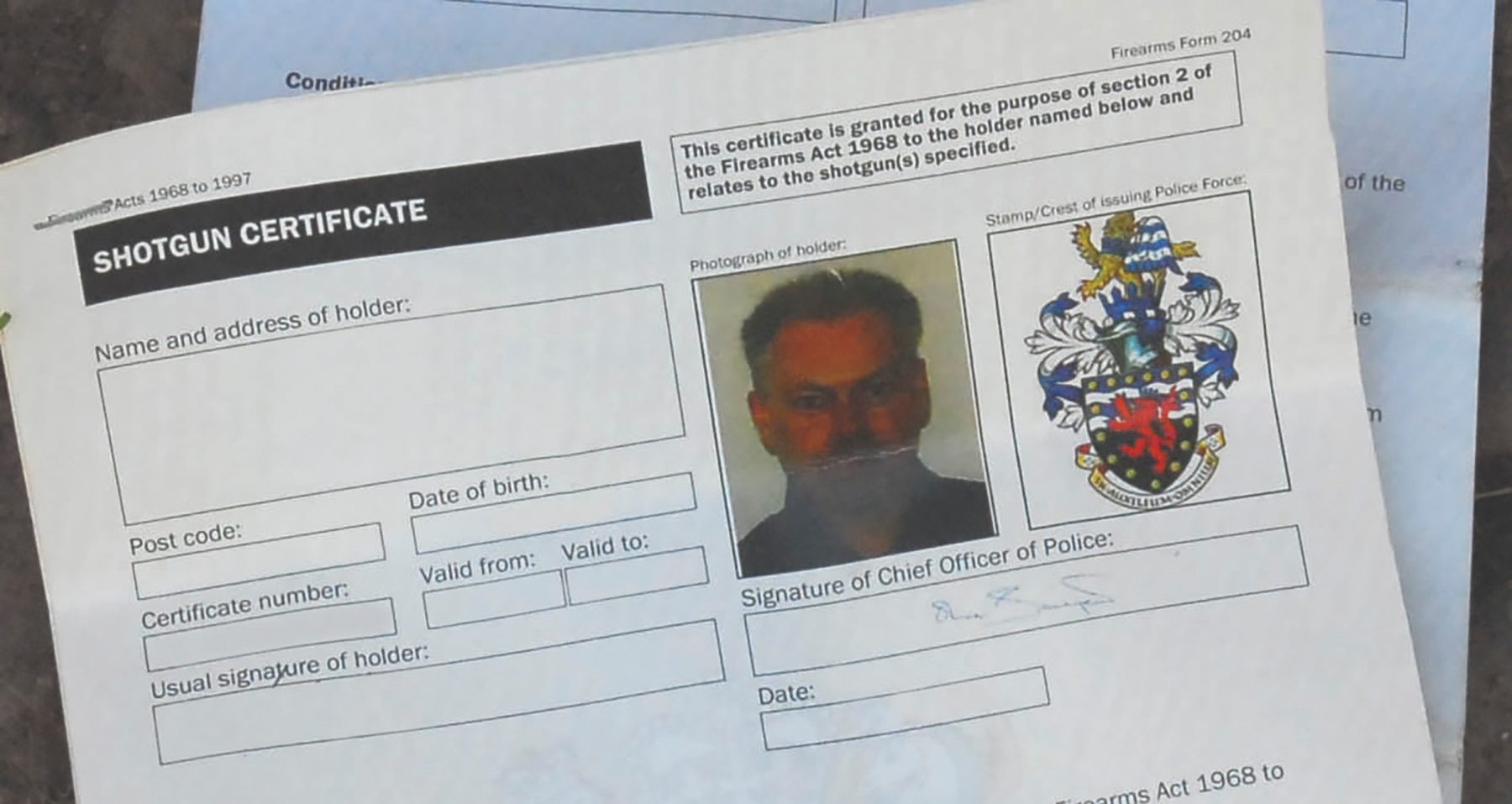
The headline recommendation replaces the 38 firearms and explosive licensing units run by police forces with one national authority handling applications, renewals and ongoing monitoring: locally based staff for suitability visits, central control over decision-making, risk management, training, governance and performance. Around it sit recommendations to modernise a legal framework spread across more than 30 pieces of legislation, an in-person medical assessment for every applicant, a standardised competence test, alignment of the shotgun and section 1 regimes, and a digital verification system, similar to the QR codes on driving licences, to defeat forged certificates.
What would it mean at the counter?
For the registered firearms dealer (RFD) the digital verification proposal is the operational change. The certificate check that today rests on a paper document and the dealer’s judgement would become a real-time confirmation, closing the forged-certificate risk that currently sits with the counter staff who accept the document. The British Shooting Sports Council (BSSC) supports exactly that, backing consistent national standards, proper training and modern digital systems including real-time certificate verification.
The commercial risk sits in the rest of the package. Aligning shotgun certificates with the section 1 regime, an in-person medical for every applicant and a competence test would lengthen the path to every first certificate, and the trade’s addressable market moves with the certificate-holder base, which stands at nearly 500,000.
Where do the sector bodies stand?
The BSSC warns that failures in administration “should not be confused with evidence that firearms law itself is fundamentally flawed”, and wants legal changes such as shotgun and ammunition licensing considered separately and supported by clear evidence.
What should the trade plan for?
Three dates and decisions follow. First, the 2029 timetable: if the Government accepts the authority, the trade would deal with one licensing counterparty rather than 38, with all the systems work that implies. Second, verification: a dealer-side digital check would need hardware, process and training decisions once a specification appears. Third, the pipeline: any lengthening of the first-certificate path tightens new-customer recruitment, so the recommendations’ fate in Parliament is commercial intelligence, not background noise. Nothing is law yet: the recommendations sit with the Home Office, which says, in a statement reported by the Mirror, that a number of them “reflect work already underway”.
Useful links
HMICFRS – the full firearms licensing inspection report and its 23 recommendations
When would the national licensing authority take over?
The Countryside Alliance reads the report as proposing 1 September 2029. The Home Office says a review of licensing arrangements is already under way and has not committed to the new body; primary legislation would be needed.
What would digital certificate verification mean for RFDs?
A real-time confirmation that a certificate is genuine, similar to the QR codes on driving licences, replacing judgement of a paper document at the counter. No specification has been published yet.
Do the recommendations change dealer obligations now?
No. The report is advisory, the recommendations sit with the Home Office, and current certificate checks and transfer procedures stand until the law changes.
You are warmly invited to attend the GTA Annual General Meeting 2026, followed by a finger buffet, at Holland & Holland Shooting Grounds, Ducks Hill Road, Northwood, HA6 2ST, on Wednesday 7 October 2026 at 1:00 pm.
This year’s event will follow a different format from previous years. There will be no shooting activities prior to the meeting.
The AGM will commence at 1:00 pm and will be followed by addresses from Oskar Waktare, Chairman and Stephen Jolly, CEO. The formal proceedings will conclude with a finger buffet, providing an excellent opportunity for informal networking with fellow members and guests.
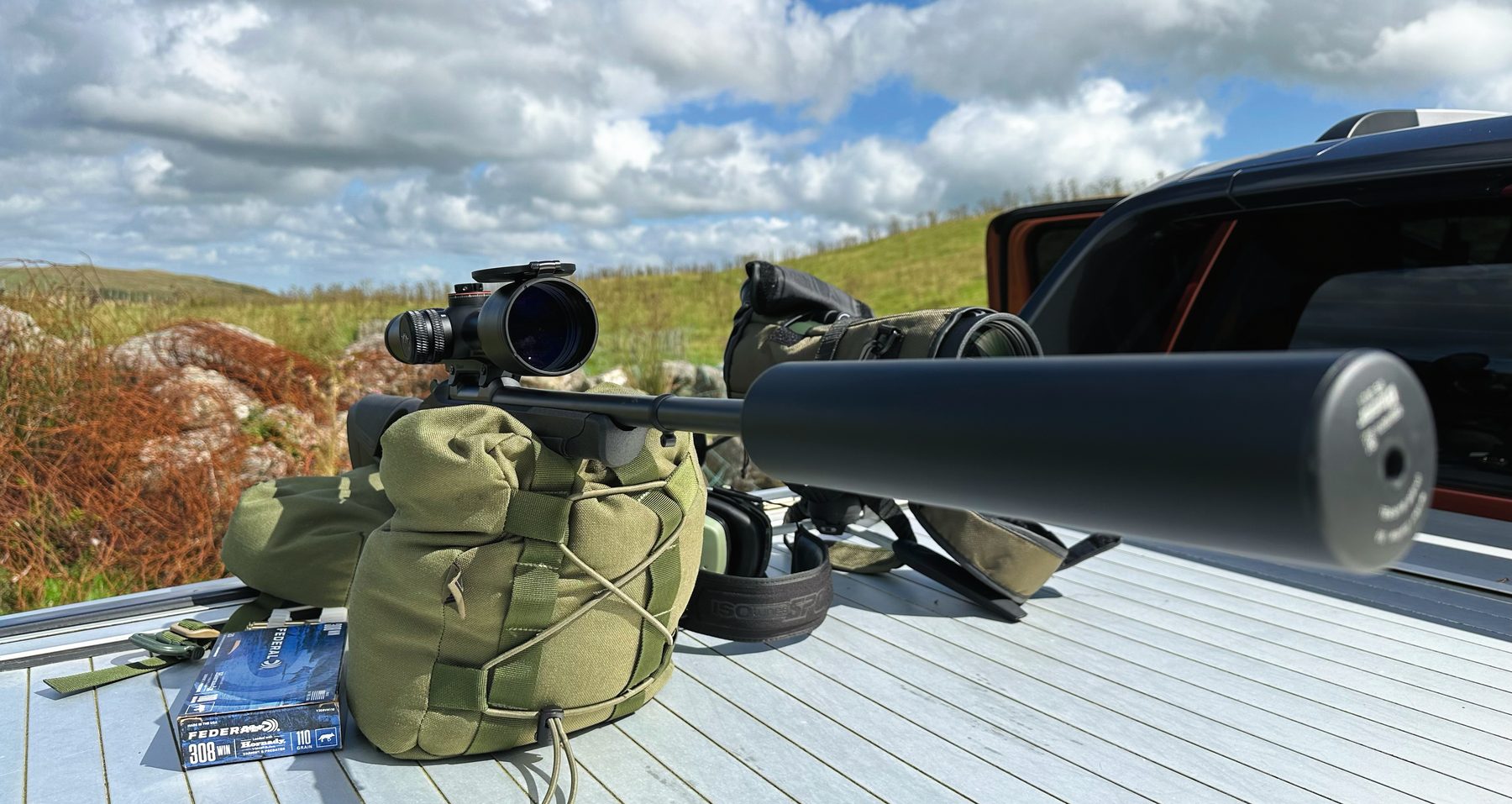
GMK has launched a trade-in programme on sound moderators through its participating dealers: a customer hands over an old unit and takes £25 off a new Stalon, Vanward or Hausken, the three moderator brands the distributor carries. The offer runs while stocks last, and for the trade its significance goes beyond the discount. It is the first distributor promotion built squarely on the regulatory change of late June, and it is deliberately routed through the counter.
What is the mechanism for dealers?
The scheme is simple at retail level: the trade-in is taken in store, the £25 comes off the new unit, and participation is at dealer level, with GMK listing participating shops at gmk.co.uk. No closing date has been announced beyond the while-stocks-last condition on the three brands’ inventory.
Why does the off-ticket change matter commercially?
Since late June, under the Crime and Policing Act 2026, sound moderators are no longer within the legal definition of a firearm in Great Britain and no longer sit on certificates. The variation-and-wait cycle that used to sit between a customer and a replacement moderator is gone: a swap that once meant an application to a licensing department and weeks of delay is now a single shop visit.
That changes the sales conversation. Under the old regime, a worn moderator was a purchase the customer deferred because the paperwork outweighed the product. The friction has gone, and GMK’s scheme is a straightforward attempt to convert the resulting pent-up demand: every stalking rifle and foxing rig in the country carries a unit that has been rained on, knocked and shot through for years, and many of them stayed in service only because replacing them was tedious.
What does the scheme signal about the market?
A trade-in programme is also a reading of the installed base. The offer prices the nudge at £25, which suggests the distributor believes a large population of tired units is sitting in cabinets waiting for a reason to move. If take-up is strong, the category should see an upgrade cycle running through the autumn as stalkers and pest controllers re-equip ahead of the season, with the traded-in units coming out of circulation.
For retailers who stock the GMK moderator brands, the practical question is participation: the scheme is a footfall driver at the exact moment the law has made the moderator counter-friendly, and the distributor’s dealer list is the route in.
What happens next
The offer runs through participating dealers while stocks last. GMK’s website carries the detail and the dealer list, and the trade will learn something useful from how quickly the stocks go.
Useful links
GMK – the distributor’s details of the trade-in scheme and participating dealers
Frequently asked questions
How does the GMK moderator trade-in work at retail?
A customer trades in an old sound moderator at a participating dealer and receives £25 off a new Stalon, Vanward or Hausken. The offer runs while stocks last.
Why can moderators now be sold without certificate paperwork?
Under the Crime and Policing Act 2026, sound moderators were removed from the legal definition of a firearm in Great Britain in late June, taking them off certificates and ending the variation requirement before a replacement.
Which brands does the scheme cover?
New moderators from Stalon, Vanward and Hausken, the three moderator brands GMK distributes.
Two numbers in the latest firearms licensing release matter to the trade more than the headline does. The certificate-holder base in England and Wales is down 2.8% since the third quarter of 2025/26, and grants are now reported separately from renewals for the first time. One measures the size of the market; the other, at last, measures the rate at which new customers can enter it.
What do the figures show?
The National Police Chiefs’ Council (NPCC) release for Q1 2026/27, covering the 12 months to 30 June 2026, shows national service level performance against the four-month standard easing from 70.67% to 70.21%, the fourth consecutive quarterly decline. Temporary permits rose 11.5% on the previous quarter to 3,449 and are up 83% across the five quarters reviewed. The British Shooting Sports Council (BSSC) published its analysis on 8 August, saying it “remains concerned that the rise in issuance of permits reflects licensing departments under stress”.
Why does the certificate base matter commercially?
Because it is the addressable market. Every section 1 sale, every shotgun transfer, every ammunition purchase over the counter and a substantial share of the accessory trade sits downstream of somebody holding a valid certificate. A 2.8% contraction since Q3 2025/26 is not a collapse, but it is a measurable narrowing of the base, and it compounds if it continues. Retailers modelling next year’s turnover on a flat customer count are modelling on an assumption the data no longer supports.
What does the grants and renewals split give the trade?
Evidence it has not had before. The BSSC welcomed the change, warning that “a single blended SLA figure can mask much slower performance on new applications than on renewals”. For the trade the distinction is the difference between a delayed customer and an absent one. A renewal in the queue is an existing customer, still shooting, still buying cartridges, possibly holding a temporary permit. A grant in the queue is a customer who does not exist yet: no gun, no ammunition, no kit, no lessons, nothing until the certificate arrives.
If the separated figures confirm that grants run materially slower than renewals, that is a quantified drag on new-entrant recruitment and it can be put in front of officials as such, rather than argued from anecdote. It is also directly relevant to the participation work the sector funds: recruiting new shooters is worth less if the licensing system takes months to admit them.
What should dealers do about it?
Three practical things follow. First, know your own force’s numbers rather than the national average, because the NPCC publishes force-by-force tables and a dealer’s catchment is usually one or two forces, not 43. Second, manage the expectation at the point of sale: a customer told honestly that a variation may take longer than four months is a customer who comes back, while one told it will be fine is a complaint waiting to happen. Third, count the pipeline properly: orders contingent on a variation are not sales until the paperwork lands, and cash flow planned as though they are will mislead.
What happens next
The NPCC publishes quarterly, so the next release covers the autumn renewal season, the busiest stretch of the licensing year and the one most likely to show whether the four-month standard is stabilising. The BSSC’s analysis is on its website and the full data is published by the NPCC.
Down 2.8% since the third quarter of 2025/26, continuing a steady decline, according to the NPCC data.
What is the service level standard forces work to?
Completion of an application within four months of receipt. National performance fell from 70.67% to 70.21% in the latest quarter, the fourth consecutive decline.
Why does the grants and renewals split matter to dealers?
It separates delayed existing customers from absent new ones. A renewal in the queue still trades; a grant in the queue is a customer who cannot buy anything until the certificate is issued.
Swarovski Optik has been part of the British Shooting Show story from the very start. The Austrian optics manufacturer was among the earliest brands to commit to the event, and its faith in the show has been repaid many times over.
That commitment came when the show was in its infancy and in need of investment and support from brands, and the relationship has endured through every edition since.
A new face on the hunting side of the business
Adam Randall of Swarovski Optik UK joined the business in June 2025, bringing a long optics industry background with him. Many of the customers and retailers on the nature side of the business were already familiar faces – but the hunting community was newer territory, and the British Shooting Show sat at the heart of it.
“That side has been a case of meeting new faces, which is a really nice part of the role,” he says. “Building those relationships up has been one of the things I’ve enjoyed most – and the British Shooting Show this year was a fantastic opportunity to connect with the community.”
The 2026 show was Adam’s first, and it coincided with the event’s first outing under the ownership of Time Well Spent Group. “It’s an exciting time, coming in under new ownership,” he says. “There’s obviously plans to make it more of an experience. Having Vinnie Jones this year was really positive – speakers like that really pull people in. And spreading wider than just the shooting community into secondary topics – outdoors, nature, countryside, conservation – is a good way of getting people through the door. Combined with the strength of the Time Well Spent media portfolio, I’m sure the show can keep growing. The great thing about an event like this is that you can introduce these things year by year and still have something completely new every time. I think I’ve come in at a good time.”
What a 15m x 9m stand is asked to do
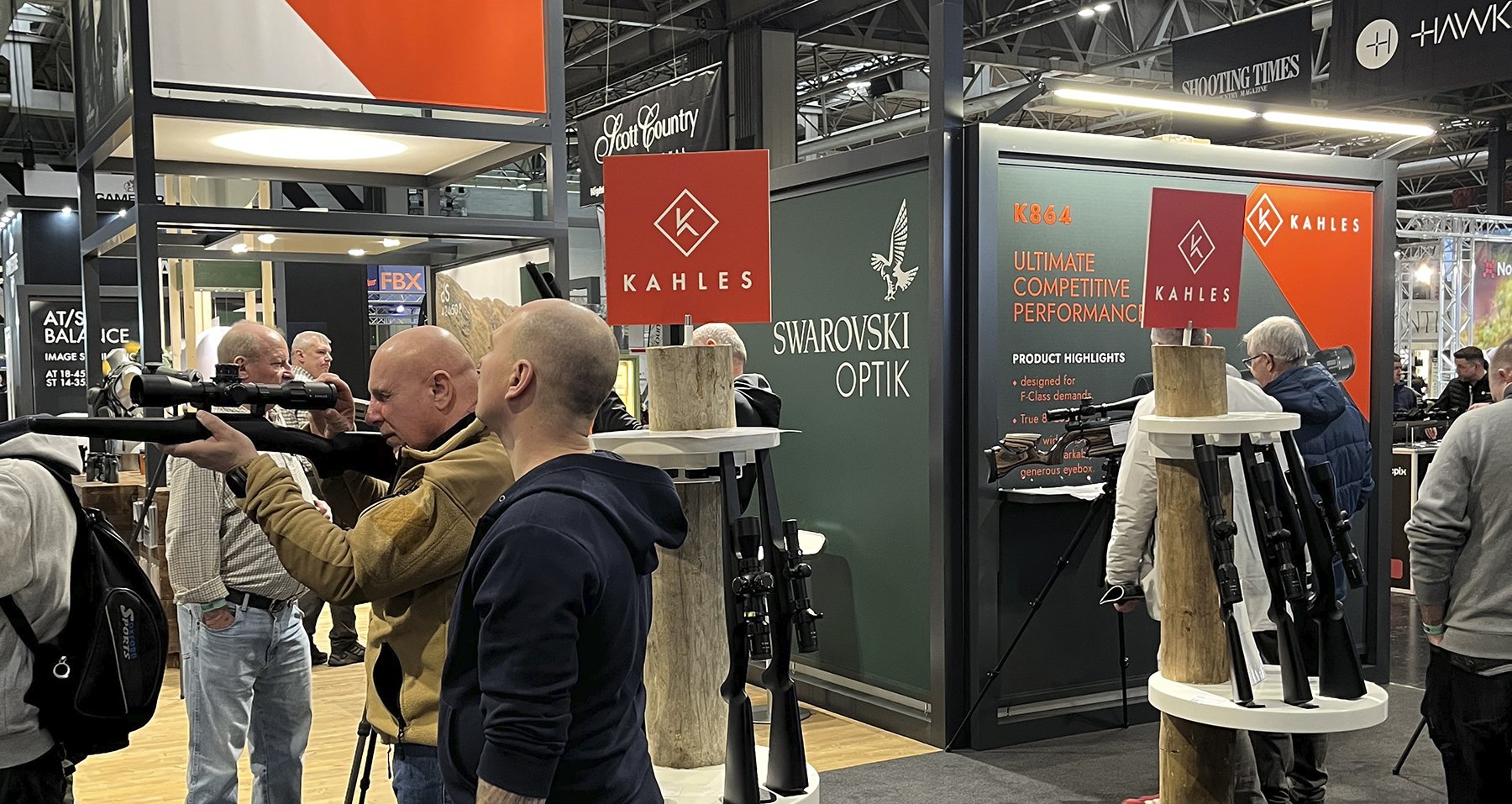
Swarovski Optik took a full 15m x 9m stand in 2026, and the design brief was simple: make it as welcoming as possible. “We want to give people the opportunity to get hands-on with the product, but also to feel comfortable enough to stay for an extended period,” Adam explains. “We make sure the team on our stand are genuine experts – whether that’s in premium binoculars, spotting scopes, thermal technology, rifle scopes for hunting, or sports shooting. For us, it’s about creating an experience rather than simply exhibiting equipment. We want visitors to leave inspired, informed, and with a real sense of the quality and innovation that define both Swarovski Optik and Kahles.”
The 15m x 9m stand, with the optics left out on the counter to be picked upThe AT/ST Balance tower, doing its job of stopping people in the aisle
Two launches timed to the first event on the calendar
For 2026, two new products earned dedicated launch areas of their own. The third generation of the Z6 rifle scope is a stalwart of the range and the scope of choice for both beginner and professional hunters. It arrived with improved usability and ergonomics, a new cockpit design and improved eyebox, and a price slightly lower than previous models. “The Z6 has been super popular for us,” says Adam. “Being at that more attainable price point, with premium quality optics, is really attractive.”
Alongside it sat the new dS, Swarovski Optik’s rangefinding rifle scope. “It has rangefinder capabilities built in,” Adam explains. “You enter all your ballistic information and, at the touch of a button, it gives you a corrected aim point. You don’t have to worry about ballistics at all – it works it all out for you.”
The timing of both launches was no accident. “What’s particularly great about the British Shooting Show is that it’s the first event on the calendar,” says Adam. “We often launch our products in January, just in time for the show. It might not be on the exact day, but it’s always the first opportunity for the community to get hands-on with our new products.”
The dS launch area, where the scope did the ballistics for anyone who askedTesting the image stabilisation, indoors and across the length of the hall
The case for four walls in February
Optics, of course, are made for the outdoors, Adam concedes – “we do plenty of outdoor events, and if the weather’s good you get that real-world experience” – but February in Birmingham makes the case for four walls. “The great thing about the British Shooting Show is the predictability. You know that box is ticked. And the NEC still gives you the space – people can test optics indoors over long distances.”
Four majors, 30 smaller events and a full team at the NEC
Manning the stand is a six-person operation: five from the Swarovski Optik UK team, plus ambassador Chris Rogers, who is on the stand throughout all three days. “Chris is very well respected in the community and a big added value for us,” says Adam. “He’s a great person to advocate for the brand. He has that genuine love and passion for what he does – and, luckily for us, for Swarovski Optik products as well.”
The British Shooting Show sits at the top of a packed events programme. The brand attends four major shows a year, supported by approximately 30 smaller events, which makes the full-team commitment at the NEC all the more telling.
Same footprint for 2027, plus the Mobile Experience
Planning for 2027 began almost before the 2026 carpet had been lifted. “It’s always good to review these things as close to the event as possible,” says Adam. “We had a plan in mind and spoke it through with the show team within a couple of months.” The brand has confirmed the same footprint for 2027, but with a significant new addition: its Mobile Experience (MEX) concept, appearing at the British Shooting Show for the first time.
The walk-in unit displays products inside, doubles as a space for interviews and meetings, and offers seating around the outside. The team will drive it into the hall and handle the build themselves, bringing in contractors only for the overhead branding. “The whole mobile experience is designed around being a place where people feel comfortable staying for an extended period – a community spot where people can congregate,” says Adam. “It provides another point of differentiation within the space and captures attention.”
The B2B problem the new trade hours solve
Adam also welcomes a new addition for 2027: extended trade-only hours on the Friday, when the show will open an hour earlier and close an hour later exclusively for business conversations. It solves a problem familiar to any brand running a busy stand. “We’re a team of six and it gets pretty hectic – we can’t leave the stand,” he says. “Anyone who wants to speak to us from a B2B perspective has to come and find us, and I often reach the end of the show thinking I still need to catch up with this person and that person, then end up doing it the following week. Now we can diarise those meetings for the trade hours – and everyone else can still find us throughout the event.”
Twelve months into the role, Adam’s verdict on the partnership is unambiguous: “I’m really pleased we’ve made the connection – and super excited for next year and where the show is going.”
Frequently asked questions
How many shows does Swarovski Optik UK attend each year?
Four major shows a year, supported by approximately 30 smaller events. The British Shooting Show sits at the top of that programme, and is one of the few the brand commits its full UK team to.
What are the extended trade-only hours at the 2027 British Shooting Show?
On the Friday of the 2027 show the doors will open an hour earlier and close an hour later, with those extra hours set aside exclusively for business conversations. Exhibitors can book B2B meetings into that window rather than trying to hold them while the stand is busy with visitors.
What is Swarovski Optik’s Mobile Experience unit?
The Mobile Experience, or MEX, is a walk-in unit that displays products inside, doubles as a space for interviews and meetings, and offers seating around the outside. It comes to the British Shooting Show for the first time in 2027, driven into the hall and built by the team itself apart from the overhead branding.
GMK staged the dinner at the Warwickshire house on the Friday of the fair, drawing retailers, distribution partners and long-standing brand ambassadors from the UK trade and well beyond it.
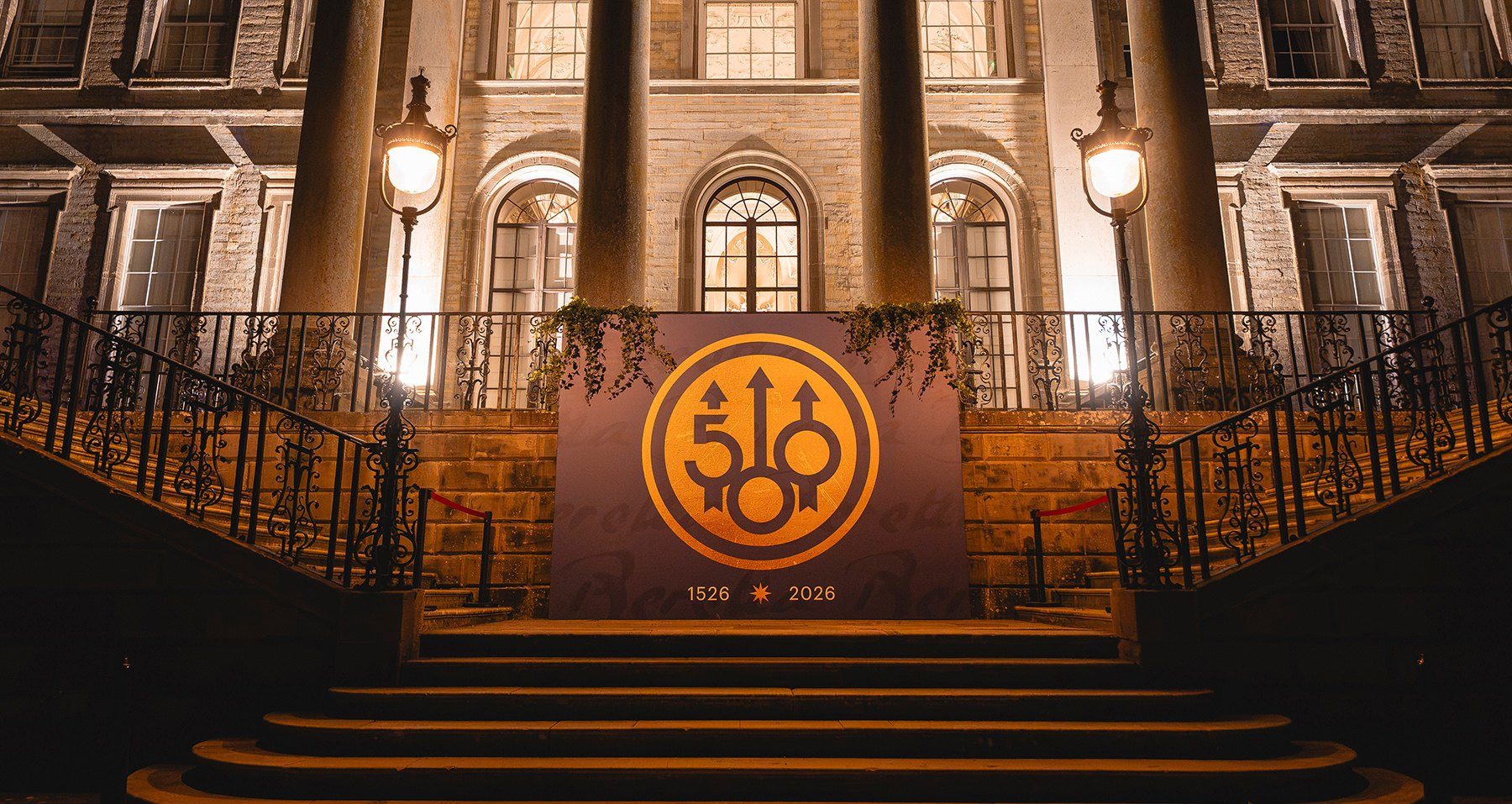
The evening opened the countdown to 3 October 2026, the date on which Beretta officially turns 500. It was in 1526 that Bartolomeo Beretta received his first recorded payment for arquebus barrels, and the company has remained in continuous family ownership ever since, a record that makes it the oldest industrial dynasty in the world.
What the UK leg says about Beretta’s British distribution
The UK has long been one of Beretta’s most important international markets, and the decision to stage a leg of the anniversary here, rather than confine the programme to Italy, is a straightforward signal of that standing. Ragley Hall provided the stage. Guests arriving at the Palladian mansion were greeted by the ceremonial firing of the hall’s historic cannons, lit by Simon West, Oskar Waktare and Carlo Gussalli Beretta.
Guests gathered on the terrace as a string quartet played through the drinks reception.
Carlo Gussalli Beretta pays tribute to Bjorn Waktare
Representing the 16th generation of the family, Carlo Gussalli Beretta delivered the keynote address, and within it came the evening’s most poignant moment: a tribute to the late Bjorn Waktare. Carlo spoke of his contribution to competition shooting, describing how his vision was instrumental in developing Beretta’s competition models and shaping the product range that leads the discipline today, an influence felt at GMK and across the wider trade.
“Standing at Ragley Hall to mark 500 years of our family’s journey is profoundly humbling,” Carlo said. “The UK market holds a uniquely cherished place in Beretta’s history, built on shared traditions and deep friendships. Tonight was not only about honouring our past, but paying tribute to key figures like Bjorn, whose passion forever shaped our competition heritage, and looking forward to the next century of innovation.”
The room fell quiet for the speeches, then rose to applaud five centuries of gunmaking.
Trade partners and Olympic shooters on the guest list
The guest list ran from the competition end of the sport to the retail counter. Guests travelled from the USA, Norway and across Europe, and among them were Paris 2024 Olympic trap gold medallist Nathan Hales and skeet silver medallist Amber Rutter, alongside gundog trainer Ben Randall, industry leaders, key trade partners and long-standing ambassadors of the brand.
The 500th Anniversary Limited Edition guns on show
Guests were shown a selection of Beretta’s 500th Anniversary Limited Edition guns through the evening, celebrating the engraving, artistry and engineering that have defined the marque. The dining was built around an exclusive menu curated by Marco Pierre White, paired with wines from the Beretta family’s private vineyards in Italy.
“It was an absolute privilege to host this historic gala alongside Lord Hertford at Ragley Hall,” said Ali Angus, managing director at GMK. “Bringing together international guests, Olympic champions and the Beretta family to celebrate five centuries of unprecedented craftsmanship is a once-in-a-lifetime honour. Beretta’s legacy is built on community and excellence, both of which were on full display tonight.”
Fever’s quartet played to a floor of candles as the night wore on.
The finale was a candlelit concert performed by Fever, with 3,500 candles lighting the room as the setlist swept from the score of Gladiator to ABBA.
What the rest of the anniversary year holds
Attention now turns to 3 October itself, with talk of a major celebration planned in Rome to mark the moment Beretta completes its first 500 years and begins its sixth century.
Frequently asked questions
Who distributes Beretta in the UK?
GMK is Beretta’s exclusive UK distributor, and hosted the 500th anniversary gala dinner at Ragley Hall. Its managing director is Ali Angus.
When is Beretta’s 500th anniversary?
Beretta officially turns 500 on 3 October 2026. The date marks 500 years since 1526, when Bartolomeo Beretta received his first recorded payment for arquebus barrels.
What are the Beretta 500th Anniversary Limited Edition guns?
They are a limited run of guns produced to mark the anniversary, showcasing the engraving, artistry and engineering associated with the marque. A selection was displayed to guests at the Ragley Hall gala.
Why is Beretta called the world’s oldest industrial dynasty?
The company has remained in continuous family ownership since 1526, and is now run by the 16th generation of the Beretta family. No other industrial business has stayed in the same family for as long.
The Crown Prosecution Service reached its decision in the case of a Derbyshire farmer who shot a suspected burglar dead in his own home, the most widely read rural story of the summer. Dealers can expect to be asked, politely and repeatedly, what it changes about what a customer may hold and why.
What did the Crown Prosecution Service decide?
Prosecutors confirmed there will be no criminal charges against Rob Lomas, a farmer in his 50s, over a night-time break-in at his farm on Eccles Road, Whaley Bridge, in the Peak District. Derbyshire Police were called at about 1.20am on 1 May 2024. Mr Lomas confronted intruders inside his home and fired a legally held firearm. Marcus Smith, 19, of Chapel-en-le-Frith, died of gunshot wounds and a second man was seriously injured. Mr Lomas was arrested on suspicion of murder and attempted murder, and remained on bail for more than two years before the decision came.
What did prosecutors say about reasonable force?
Janine McKinney, chief crown prosecutor for the Crown Prosecution Service East Midlands, said the decision was taken “in accordance with our statutory legal tests as prosecutors and the law surrounding the householder’s rights to defend themself”. The service said the law allows individuals to use reasonable force to defend themselves, other people and their property if threatened with violence. What is reasonable turns on the facts of each case, which is why prosecutors weighed all the evidence before reaching a view.
Does the decision change firearms law?
It does not. The case turned on the general law of self-defence, which governs every householder in England and Wales and has nothing to do with the Firearms Acts. No certificate condition, security requirement or licensing test has moved because of it, and for a business that has to explain the law across a counter that is the useful sentence to have ready.
What will customers ask at the counter?
The question will be some version of whether a gun can now be held for protection at home. The answer has not changed: self-defence is not a good reason to possess a firearm in Great Britain, and Home Office guidance is clear that personal protection does not justify the grant of a certificate. The shotgun certificate differs in form, with the police having to show that an applicant has no good reason to possess one rather than the applicant proving that they have, but personal protection is no better an answer there. A customer who offers it to a firearms enquiry officer is inviting a problem rather than solving one, and it is worth saying so plainly and early.
Where does this leave the compliance position?
Exactly where it was. A transfer remains lawful only against a valid certificate with the room on it, entered in the register in the usual way, and the purpose a customer states does not change what the paperwork permits. Dealers who take deposits or hold guns pending a variation will recognise the risk: a customer whose stated reason is protection is a customer whose variation is unlikely to be granted, and the conversation is cheaper before the order than after it.
What does it mean for the security side of the trade?
Rural crime is the wider context and it is sharpening. New powers under the Crime and Policing Act are now in force, and the Home Office told MPs on 13 July that its policing reforms are backed by more than £800,000 of funding for the specialist national rural and wildlife crime units. Cabinets, safes, alarms, lighting, marking and tracking are the products this story sends people towards, so the retail conversation that follows is a security one, not a firearms one, and it serves the customer twice over: the security that protects a farm protects the certificate conditions attached to the guns inside it.
What happens next?
Three men are due to face court proceedings over the burglary at the farm and an alleged burglary at the same property the previous night. Those cases are live and no further detail has been released, so the trade should expect no fresh guidance from this case for some time. The decision itself is final: prosecutors have closed the file.
Home Office – the firearms licensing guidance police apply, including the good reason test
Farmers Weekly – the farming press report of the decision
ShootingUK – the full telling of the Crown Prosecution Service decision and what it means for certificate holders
Frequently asked questions
Can a customer be sold a gun for home protection in Great Britain?
No. Self-defence is not accepted as a good reason to possess a firearm, and personal protection does not justify the grant of a certificate. A transfer remains lawful only against a valid certificate with room on it.
Does the Crown Prosecution Service decision change firearms licensing?
No. The case turned on the general law of reasonable force, which applies to every householder. No certificate condition, security requirement or licensing test has changed.
What should a dealer say when asked about the case?
That the law permits reasonable force against an intruder, that this is general law rather than firearms law, and that stating personal protection as a reason on an application or to a firearms enquiry officer will count against the customer.
Thimbleby Shooting Ground, an estate ground of nearly four decades’ standing, is putting fresh capital into the site rather than sitting tight. For a clay sector that watches every signal of confidence closely, that is the part worth noting.
What has Thimbleby Shooting Ground announced?
The ground, established on the Thimbleby Estate in 1988, confirmed the investment in a press release issued on 23 July. The venue near Northallerton operates six days a week across clay shooting, lessons, simulated game days and a gunroom, and the estate says the next phase of development is designed to enhance the offer for members, visitors and corporate guests.
There is no closure attached to the announcement. The message to customers, and to the suppliers who serve the ground, is continuity: work begins on 10 August and the business trades on around it.
Will the ground stay open while the work is done?
Yes. Thimbleby says the ground will trade fully open throughout the programme, keeping its six-day week running across clay shooting, lessons, simulated game days and the gunroom. That decision matters to more than the shooting public. A ground that keeps trading through a development phase keeps ordering through it too: cartridges, clays and gunroom stock keep moving, and lessons, corporate bookings and simulated game days continue to bring customers past the counter.
What does the investment signal for the UK gun trade?
For the retailers, distributors, manufacturers and gunmakers who make up Gun Trade Insider’s readership, shooting grounds are more than venues: they are recruitment engines and retail touchpoints in one. A ground with an on-site gunroom is a counter for the trade’s products, and its lessons, corporate days and simulated game business are where new shooters, and new customers, are made.
Seen through that lens, Thimbleby’s decision reads as a vote of confidence in demand. An estate business that has run its ground since 1988 is committing capital to the next phase of its development rather than holding position, and doing so while trading at full tilt. Where grounds invest, the businesses that supply them tend to feel the benefit.
What happens next at Thimbleby?
Work begins on site on 10 August, and trading continues six days a week while it is carried out. Gun Trade Insider will report further detail as the estate releases it. For the ground’s trade partners the practical point is a simple one: demand does not pause while the work goes on, and if the enhanced offer grows the venue’s membership and corporate business, it grows their order books with it.
Policing minister Sarah Jones gave the confirmation in a written parliamentary answer on 9 July. It is the clearest signal yet of where the Home Office’s long-promised review of firearms licensing has settled, and one the trade should read carefully: any tightening of private transfers reshapes the second-hand market in which every dealer operates.
What did the policing minister say?
Ruth Cadbury, the Labour Member of Parliament (MP) for Brentford and Isleworth, asked the Home Secretary how many forged shotgun certificates had been used to buy shotguns in England over the past five years, and what steps were being taken to reduce their use. Ms Jones replied that the data “is not collected centrally”, and added: “The law is clear on the sales of shotguns that a purchaser must hold the appropriate firearms certificate and transactions must comply with the relevant legal requirements and police procedures in place. The Government is considering what further action may be needed to strengthen the controls on the private sale of firearms and shotguns by licence holders.”
What is the consequence for dealers?
Private sales between certificate holders are a routine and lawful part of the shooting world, from a shotgun changing hands between club members to a rifle sold on when a stalker upgrades. Any strengthening of the rules would reach beyond dealers and into those everyday transfers, and how sales are verified between private individuals is the obvious gap a consultation would examine.
The written answer does not say what form new controls could take, and no proposals have been published. For the trade, the questions to watch when they are published will be where any new verification duty falls and what that means for transfer business through the counter. The forged-certificate question sits behind the signal: with no central data, the scale of misuse is unknown.
The signal also comes with firearms licensing already in flux. Sound moderators were removed from licensing control on 29 June under the Crime and Policing Act 2026, certificate numbers in England and Wales are falling, and the British Association for Shooting and Conservation (BASC) has renewed its call for a single national licensing authority to replace force-by-force administration. Each strand touches the dealer’s compliance load, and a consultation that gathers them together would be the largest licensing event for the trade in years.
What is the compliance timeline?
Ministers said in January that a consultation on the firearms licensing system would be published shortly. It has yet to appear, the Home Office has not given a date, and the 9 July answer suggests private sales will be within its scope. Until proposals are published there is nothing for a dealer to change: private sales remain lawful where the buyer holds the appropriate certificate and the transaction follows the legal requirements and police procedures that apply.
What happens next
The consultation remains the document to watch, and this title will report its scope the day it opens. The full written answers, written questions 16451 and 16452, are linked below.
The answers, given to peers and published on 20 July, put a system that dictates who may legally buy a gun squarely in the hands of chief constables and police and crime commissioners. They also remove the Whitehall lever the industry’s push for reform had been pulling.
What did ministers actually say?
Answering written questions from Lord Swire, Home Office minister Lord Hanson of Flint said processing times and resourcing “are matters for individual Chief Officers of Police and Police and Crime Commissioners”. He also confirmed the department “has not routinely collected data on the time taken” to renew shotgun and firearm certificates over the past five years. Asked whether the Government would rank forces by processing speed, he gave no commitment to do so.
Why does this matter for RFDs?
Every registered firearms dealer knows the commercial cost of the queue: a customer whose renewal sits unprocessed cannot lawfully take delivery, buy ammunition against a certificate or, in many cases, complete a sale already agreed. Delays have dogged the system for years, with members left without valid certificates through no fault of their own. A Whitehall stance that treats processing performance as a local policing matter offers dealers no central remedy when a force’s backlog stalls their trade.
What is the four-month target worth?
Lord Hanson pointed to the quarterly performance data now published by the National Police Chiefs’ Council (NPCC), which carries a new target for forces to complete grants and renewals within four months of receipt. The target followed sustained pressure from shooting and trade organisations for transparency on force-by-force performance, and it is the nearest thing the sector has to a benchmark. Its value, though, depends on publication: the NPCC’s first-quarter figures for 2026-27, which would show whether forces are meeting it, had not appeared when this story was written.
What does it mean for the reform push?
The trade is paying more for a service Whitehall says it does not monitor centrally. Fees rose on 5 February 2025 to achieve “full cost recovery” and, Lord Hanson confirmed, “increased again on 6 June this year by the rate of inflation”. Meanwhile the Home Office’s June bulletin showed shotgun certificates at their lowest level since records began in 2007 and firearm certificates at their lowest since 2009: a shrinking certificated customer base is the backdrop to every dealer’s year, and every gun shop counter in the country will feel the difference between a four-month renewal and a fourteen-month one. With Parliament risen until 1 September, the licensing file passes to the new Home Office team under Prime Minister Andy Burnham, and the industry’s case for a faster, transparent and centrally accountable system carries into the new term. A separate question on authorised firearms officer numbers, tabled by Sarah Pochin MP on 1 July, remains unanswered.
Defra’s response to the Animal Sentience Committee, published on 31 July, moves no date on the timetable fixed in law under UK REACH: from 1 April 2029 the placing on the market and use of lead shot will not be permitted, and the same applies to large-calibre lead bullets for live quarry shooting. For retailers and distributors the placing on the market prohibition is the commercial line, because it sets the horizon for ordering, stocking and running down lead lines across the next three seasons.
What may be sold, and until when?
The REACH (Amendment) Regulations 2026 came into force on 1 April 2026. Lead shot and large-calibre lead bullets for live quarry remain lawful to sell and use until 1 April 2029; after that, both are off the market. Elite athletes, as defined in the legislation, keep a conditional exemption for lead shot, a narrow lawful niche after the deadline. Lead in airgun ammunition is out of scope of the restriction, so pellet stock is unaffected.
In between sits a date with its own counter conversation: from 1 April 2028, lead bullets must not be used at outdoor shooting ranges unless the range has what the response calls “effective lead risk management measures in place” and meets specific information requirements. Dealers supplying club and range customers will want that condition understood well before the season it bites.
Who writes the changeover guidance?
Not Defra. The response commits the Government only to watching: “We will be monitoring the development and dissemination of guidance by the sector,” it says. That leaves shooter education on the switch, and in practice much of the point-of-sale advice, with the shooting organisations and the counter. The committee had warned that non-lead ammunition adopted without changes in practice may bring “a reduction in lethality” in the field; the Health and Safety Executive’s answer, which Defra adopts, is that “reductions in lethality can be avoided if hunters follow best practice, as demonstrated by the Forestry Commission’s successful shift to non-lead ammunition”. Denmark has run a total ban on lead shot for hunting since 1996.
The commercial reading is plain: demand for non-lead cartridges and ammunition, and for the advice that goes with them, will build season on season to 2029, and the businesses that can brief a customer on best practice will take that trade.
Is there anything new on airguns or despatch?
Two signals worth logging. The committee has recommended ministers “consider the potential benefits of licensing in order to facilitate a route to restricting lead in airgun ammunition”; Defra notes it cannot deliver that change because firearms licensing powers sit with the Home Office. Nothing is proposed today, but pellet suppliers should watch where the recommendation lands. And on the humane despatch of livestock, Defra confirms the three-year bullet transition stands: the Lead Ammunition Group recommended it, the Health and Safety Executive extended it from an original 18 months, and the Humane Slaughter Association welcomed it.
What happens next
No date moves, so the planning assumptions are safe: range-facing stock and advice in order before April 2028, lead shotshell and large-calibre live quarry lines run down before April 2029, and non-lead ranges built out in their place. The sector guidance Defra says it is monitoring is the piece to watch, because the trade will be delivering much of it across the counter.
Useful links
Defra – the Government’s full response to the Animal Sentience Committee on the lead ammunition restriction
From 1 April 2029 the placing on the market and use of lead shot will not be permitted, with a conditional exemption for elite athletes as defined in the legislation. Large-calibre lead bullets for live quarry shooting end on the same date.
Can dealers still sell lead airgun pellets?
Yes. Lead in airgun ammunition is out of scope of the restriction, though the Animal Sentience Committee has asked ministers to consider licensing as a possible future route to restricting it.
What changes for range customers in 2028?
From 1 April 2028 lead bullets must not be used at outdoor shooting ranges unless the range has effective lead risk management measures in place and meets specific information requirements.
Section 44 of the Crime and Policing Act 2026, in force across England, Wales and Scotland since 29 June, removed sound moderators from the definition of a firearm. Legal guidance from the British Shooting Sports Council (BSSC), prepared with its legal adviser Nick Doherty, sets out what that means in practice for every dealer whose till takes a moderator sale.
What no longer needs recording at the counter?
A moderator no longer needs to be listed on a firearm certificate, no variation is needed to acquire one, and moderators are no longer entered on the National Firearms Licensing Management System. Existing certificate entries need no attention and will simply fall away when the certificate next comes up for renewal, so the entries presented across the counter need no correcting either. “For existing certificate holders, there is nothing that needs to be done,” the guidance states.
The BSSC said the reform “removes an unnecessary administrative burden on both certificate holders and police firearms licensing departments”, and for the shop the practical effect is that a moderator sale no longer generates a licensing entry at all.
Must the seller check a buyer’s authority?
The guidance is explicit on the point that matters most at the counter: sellers are not obliged to check a buyer’s authority before completing a sale. “The onus to have authority to hold a sound moderator lies with possessor,” it notes. Moderators intended solely for shotguns, or for air rifles that need no certificate, may be bought by anyone, and moderators fitted to airsoft, paintball or deactivated guns are unrestricted. References to moderators throughout the guidance include flash hiders.
Which offence remains, and who does it bite?
One offence survives the reform, and it sits with the customer rather than the shop. “Where a sound moderator is intended to be used with a Section 1 firearm it is an offence to be in possession of such an item unless the owner holds a current firearm or shotgun certificate,” the guidance states; unlawful possession is a summary offence carrying a fine of up to level 3. The other side of the coin is equally clear: “A person who may lawfully possess a Section 1 firearm may also acquire and possess a sound moderator intended to be fitted to that firearm, without any separate authority or certification.” The test is what the moderator is intended for, judged objectively; technical compatibility with other firearms does not matter.
What is the Scottish caveat?
One line of paperwork remains north of the border. Sound moderators for air guns are still subject to separate licensing requirements in Scotland, where air weapons are licensed under their own regime, so the position is worth checking before an airgun moderator is sold to a Scottish customer.
What happens next
The BSSC thanked its president, Lord Brady of Altrincham, for tabling the House of Lords amendment that helped secure the change, which the Countryside Alliance also counts as the result of its long-running campaign. The guidance in full is available through the BSSC, linked below with the Countryside Alliance’s summary.

 Donate
 Basket
 Login
Login