Daystate Blackwolf wind test: the HFT question dealers get asked

Back to blog

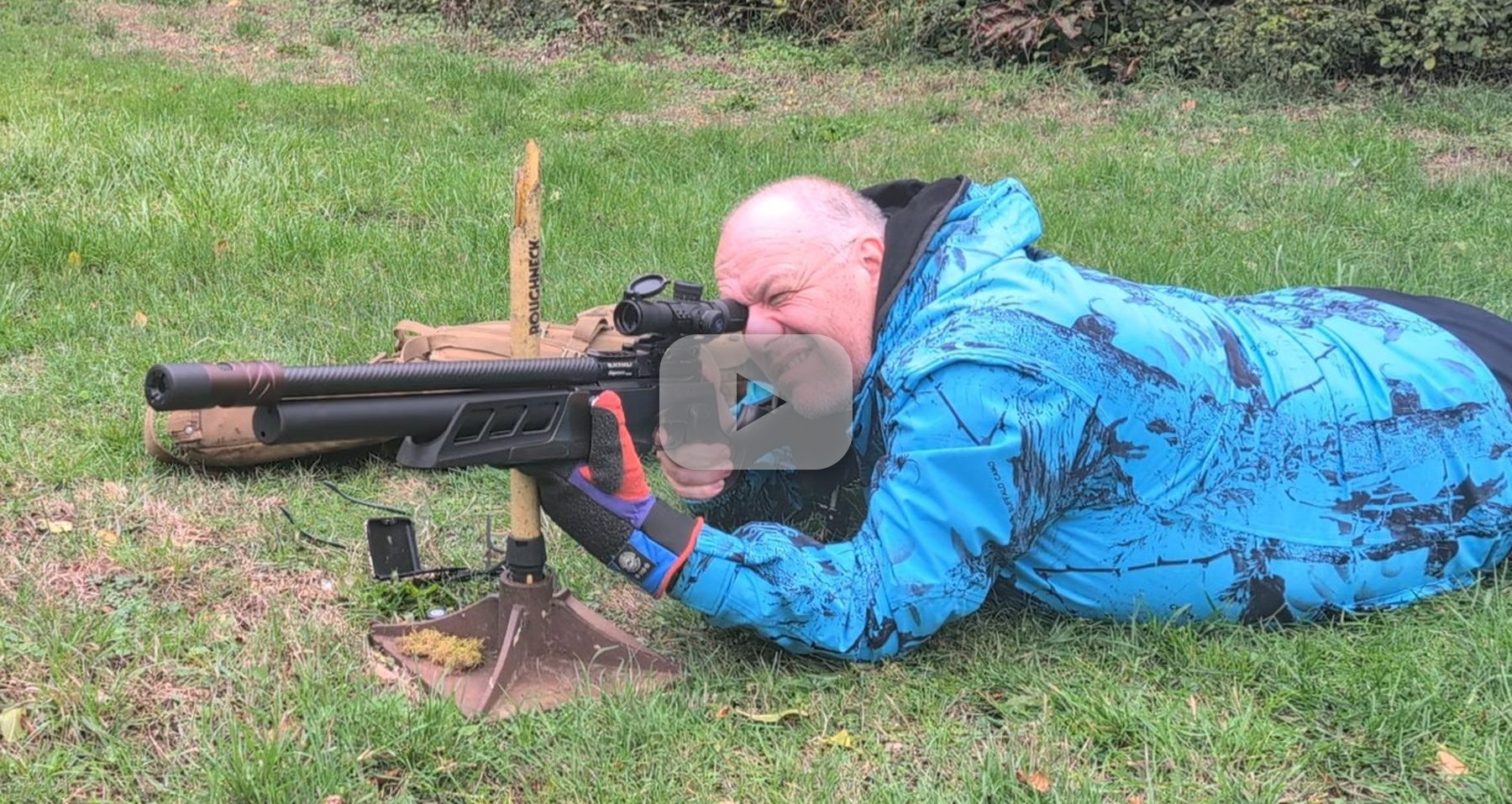
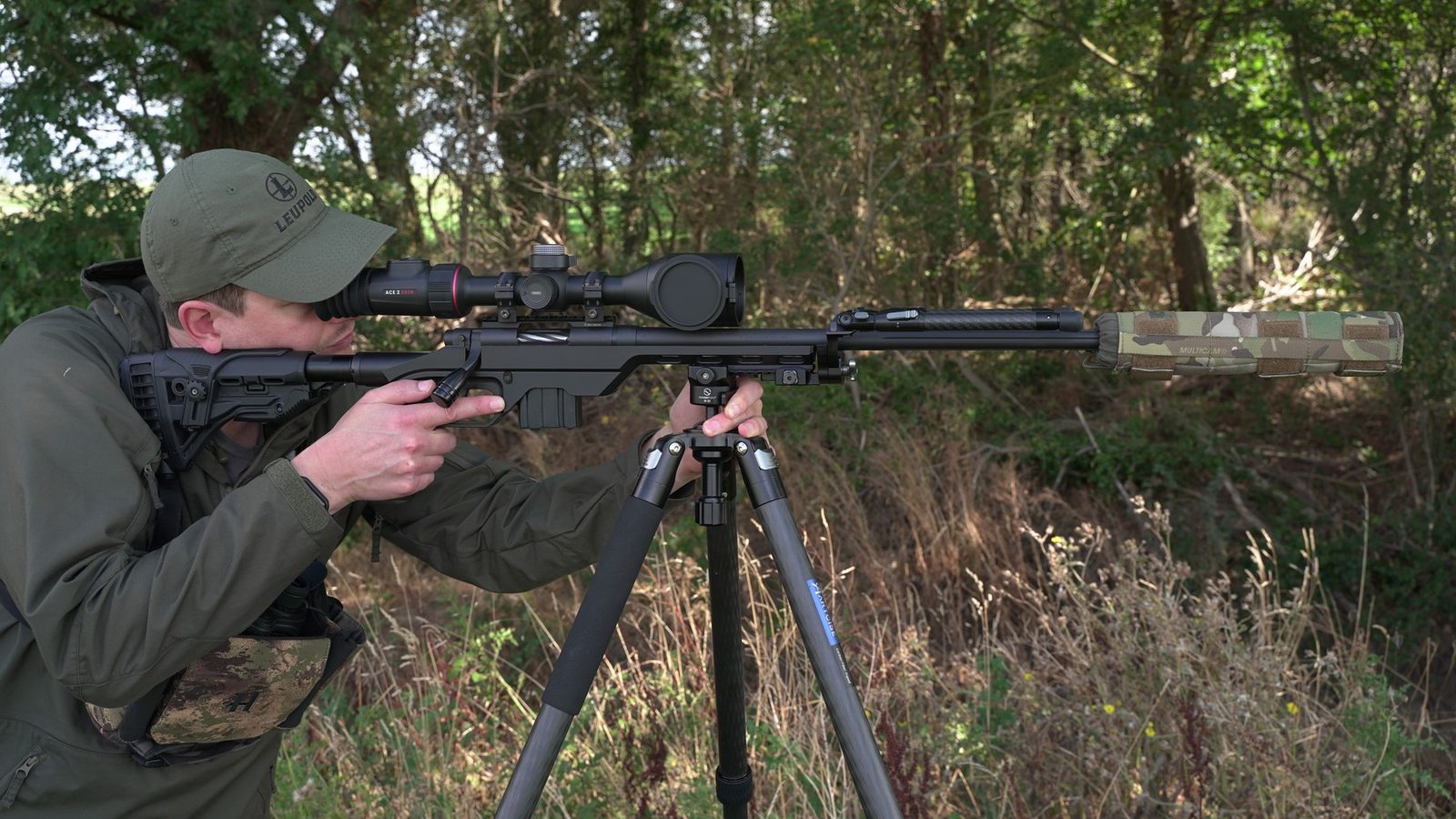
The question the hunter field target (HFT) customer brings to the counter in October is not about power or fit but about wind, and the Back to Basics with Daystate series has put one of the discipline’s best-known names on camera to answer it. Writing in Airgun World, Gary Chillingworth describes a practice round at Springfield ARC, just outside Chelmsford, in “a steady 15mph with gusts of up to 30mph”, in which his Daystate Blackwolf “did not seem to be taking much wind at all, certainly compared with other guns he has shot”.

What is Daystate putting behind the Blackwolf?

The episode is part of Back to Basics with Daystate, a series carried by Shooting & Country TV and fronted by Chillingworth, an Essex airgunner who shot for England at the HFT World Championships in 2012 and 2013 and has written for Airgun World since 2008. For the trade, that is a maker’s name on instructional content that keeps a current model in front of the competition market without a launch, timed, as Airgun World notes, with “the last two rounds of the UK HFT series coming up, and more wind in the forecast”.

The test a dealer could run on a demo day

The method is cheap and repeatable. Chillingworth waits for a 10 to 12mph crosswind, pins a card with a single black line high up a tree at 40 yards, aims straight down the line and measures how far five pellets drift. The condition that makes it worth anything is the one a shop can control: “Use exactly the same pellets, fill pressure and setup you compete with, or the results tell you nothing.” A retailer with a range or a club relationship could put a customer’s own rifle, pellets and fill through the same card, which answers the question with a number rather than a brochure claim.

Why does drift decide the sale?

Because it is the figure the competition shooter is actually buying. “Wind eats into the space you have to aim at,” Chillingworth writes: on a 25mm HFT kill, holding in the middle leaves plenty of room, but using the bottom of the kill as an aim point for range shrinks the usable width to around 18mm, “and a rifle that drifts less in a crosswind leaves you far more margin for error”. A model that can show a small drift figure at 40 yards has a selling point the specification sheet cannot carry, and a counter that can explain why has the customer’s confidence for the pellets, the fill kit and the jacket that follow.

The accessory conversation behind the rifle

The rest of the episode is wind-reading advice, and every line of it points at stock a shop already carries. Use the first shot as a baseline and adjust from it; listen as well as look, because “wind often blows in cycles and can switch direction suddenly”; and treat the feather on the barrel as the wind at the peg, “but always check the foliage behind the target, as the wind downrange can be quite different”. Targets high in a tree take more wind, because there is less on the ground to break it up. His closing point is clothing: “A hoodie lets a cold wind straight through, and by the end of a long round you can be frozen, which does your shooting no favours.” Wind indicators, pellet-sorting kit and windproof outerwear are the add-on basket the series argues for without naming a product.

What happens next?

The episode is on Shooting & Country TV and Chillingworth’s account is in Airgun World, linked first below. The UK HFT series closes with its last two rounds, the moment competition customers decide what they will shoot next season.


Useful links

Reading the wind in HFT: Gary Chillingworth tests the Daystate Blackwolf – Gary Chillingworth’s original feature in Airgun World, where these words first appeared, with the video

Shooting & Country TV – the YouTube channel carrying Back to Basics with Daystate


Frequently asked questions

What is Back to Basics with Daystate?

A video series carried by Shooting & Country TV and fronted by the HFT shooter Gary Chillingworth. The wind episode measures how far five pellets from a Daystate Blackwolf drift in a 10 to 12mph crosswind at 40 yards, then follows a full round at Springfield ARC.

How is wind drift on an air rifle measured?

On a day matching the expected conditions, a card with a straight vertical line is pinned at a known distance, the shooter aims down the line and the offset of each pellet is measured, using the same pellets, fill pressure and setup as in competition.

Why does wind matter so much in HFT?

On a 25mm kill zone, using the bottom of the kill as a range aim point shrinks the usable width to around 18mm, so a rifle that drifts less leaves far more margin for error.


Related articles

Daystate Performance Center and BRK Pathfinder: expanded offerings for airgun enthusiasts – the maker’s range as the trade last saw it

The Great British Shooting Show 2026: a record-breaking statement of intent – where the airgun makers met their customers this year

Theoben returns to UK dealers through International Sports Brands – another sub-12ft/lb story told for the counter


Other News Posts

CVA Cascade: Edgar Brothers’ £795 Bergara-built rifle passes its test

Back to blog

Edgar Brothers’ entry-level centrefire has been through its first full test in the group, and the trade can quote the result at the counter: the Bergara-built CVA Cascade in .223 Rem shot three-shot groups of 0.65in with RWS 55gr factory ammunition, held 2in to 2½in at 200 yards and took a Scottish cull roebuck, at a recommended retail price (RRP) of £795. Writing in Shooting Times, Bruce Potts judged that the Cascade “proves you don’t need to spend a lot of money to achieve a decent, reliable, accurate, weather-resistant stalking rifle”.

What is the CVA Cascade, and where is it made?

The point the counter will want to make first is provenance. CVA is an American brand, but the centrefire Cascade “is designed and made in Spain by Bergara, which is not a bad thing”, Potts wrote, and the barrel is stamped “Made in Spain”. The rimfire Cascade is a different proposition, designed in Spain but made in Turkey, and a customer who has read the review will know the distinction. The centrefire gets “all Bergara’s pedigree for great barrel making distilled into a no-frills yet still very relevant hunting rifle”: a 4140 carbon-steel sporter barrel of 20in with a 5/8in Unified National Extra Fine (UNEF) muzzle thread and a recessed crown, a Bergara action bedded on aluminium pillars with a 6½in one-piece Picatinny rail, black Cerakote on the metalwork, a three-lug bolt with a 70-degree lift, a two-position side safety, a Bergara trigger adjustable from 2lb to 4lb, a five-shot polymer magazine and an ambidextrous colour-impregnated polymer stock with a 13¾in length of pull adjustable by spacers. Weight is 3.1kg and overall length 40½in.

What does the Cascade range offer the UK dealer?

Three finishes and a calibre spread at one price point. The Black synthetic version tested carries an RRP of £795; hunting olive drab green (ODG) and Wideland camo are the alternatives. Edgar Brothers lists calibres from .223 Rem to .30-06, which puts the Cascade across the fox, roe and hill-stag conversations, and every rifle comes with a minute-of-angle (MOA) accuracy guarantee that the review bears out. Potts’s summary of the market position is that the range is “certainly worth a look if you are on a budget”.

What did the test find that a retailer can repeat?

Four factory loads, all MOA or better. Hornady’s 35gr NTX Superformance lead-free load averaged 3,841fps and 1,147ft/lb with accuracy “right around the MOA mark, with two close and one off”; Norma Tipstrike 54gr grouped 0.95in at 3,044fps and 1,111ft/lb; RWS Soft Point 55gr grouped 0.65in at 3,181fps and 1,236ft/lb; and Geco Express 56gr averaged 3,270fps and 1,330ft/lb with MOA groups. “So, all in all, pick up any of the above factory loads and this Cascade is MOA accurate,” Potts wrote. The trigger, set at the factory to 1lb 11oz, “was super crisp and really surprised and delighted me in equal measure”, and the polymer magazine “fed its five-round payload of .223 rounds flawlessly too”. The stock drew the only reservations: it is “a tad hollow-sounding in the rear section”, and the moulded grip panels are “pretty small, low and superficial”. Neither stopped the rifle doing its job on a wet Scottish morning, after which, he wrote, “a quick wipe-over and, hey presto, good as new”.

Why does a £795 Bergara-built rifle matter to the trade?

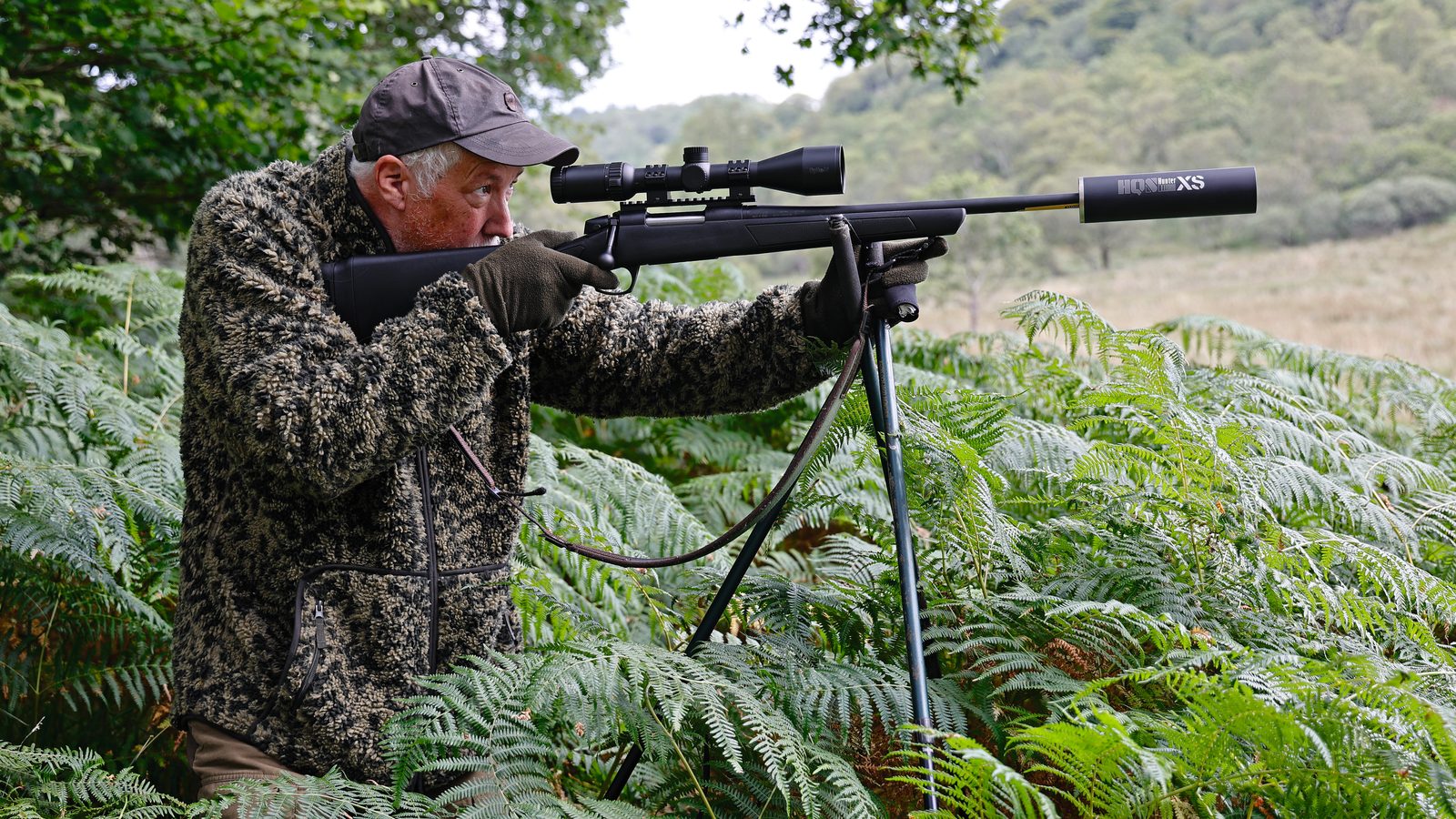
Because the budget stalking customer is the one most likely to leave with a package. Potts opened his test with the customer the trade knows well: “not all of us want to spend thousands of pounds on a rifle, plus scope and so on, when all you need is a reliable, accurate gun that is designed to perform at its best out in the field”. A Cerakoted, pillar-bedded, MOA-guaranteed rifle at £795, from a distributor with Bergara’s barrel-making behind it, gives the counter an honest answer for the first-rifle buyer, the keeper who wants a foxing and roe rifle that can be knocked about, and the stalker who would rather put the saving into glass. The test rifle wore a 2–12x50mm Opti H scope and an HQS Hunter XS sound moderator, both of which Potts praised, and that is the shape of the package conversation.

What happens next?

The review is live on ShootingUK and the group’s stalking readers will see it through the network. Edgar Brothers’ listing carries the calibres and finishes. The RRP is the figure at the time of the review’s publication on 16 October 2026 and may change.


Useful links

CVA Cascade .223 Rem review: a Bergara-built stalking rifle for £795 – Bruce Potts’s original test in Shooting Times, where these words first appeared

Edgar Brothers – the UK importer and distributor, which lists the Cascade range, its finishes and its calibres


Frequently asked questions

Who imports the CVA Cascade into the UK?

Edgar Brothers. The centrefire Cascade is designed and made in Spain by Bergara, with the barrel stamped “Made in Spain”; the rimfire Cascade is designed in Spain but made in Turkey.

What is the CVA Cascade RRP and which finishes are offered?

The Black synthetic version is £795 RRP at the time of Shooting Times’s review on 16 October 2026, with hunting olive drab green (ODG) and Wideland camo also offered. Edgar Brothers lists calibres from .223 Rem to .30-06.

How accurate was the CVA Cascade on test?

RWS Soft Point 55gr grouped three shots into 0.65in, Norma Tipstrike 54gr into 0.95in, and Hornady 35gr NTX and Geco Express 56gr both shot to MOA, with the RWS load holding 2in to 2½in at 200 yards. Every Cascade carries an MOA accuracy guarantee.


Related articles

Bergara and Edgar Brothers: a precision partnership – the distributor and the Spanish maker behind the Cascade

Five of the best stalking rifles for retailers to stock – the stalking rifles that earn their shelf space

Selling to first-time gun buyers: what retailers need to know – the counter conversation a budget rifle starts

Edgar Brothers partners with Bergara to expand UK precision rifle offerings – how the distributor took on the Spanish maker’s rifles

Other News Posts

Lapua MaxRT 6.5 Creedmoor: UK trade awaits price and stock date

Back to blog

Lapua has added a 6.5 Creedmoor loading to its MaxRange Target (MaxRT) line of factory match ammunition, and for now the UK trade has a product to field questions about rather than one to stock. The Finnish maker announced the load on 1 October, aimed at competitors in the Precision Rifle Series (PRS), F-Class, Fullbore and National Rifle League (NRL) Hunter disciplines, and its announcement and product page carry no price, no rounds per box and no market or distribution note. UK pricing and a first availability date had not been confirmed by distributors at the time of writing.

For a gun shop with a long-range customer base, that matters more than the ballistics. Lapua brass and bullets are already widely shot across the UK target disciplines, from F-Class to gallery rifle, and 6.5 Creedmoor is a cartridge many of them already shoot; a factory match load carrying the maker’s name will be asked for at the counter before it is on any price list.

What is the new Lapua load?

The cartridge, Lapua product number 4316071, carries the maker’s 9.3g (144gr) MaxRange Target open tip match bullet, code GB582, at a published 812m/s (2,664fps). Lapua gives the bullet a G1 ballistic coefficient of 0.670 and a G7 of 0.335 and says the loading is optimised for a barrel twist of one turn in 8.5in. The MaxRT family pairs the maker’s match brass and bullets in loadings for long-range shooters who want factory consistency without handloading.

The GB582 is not new to the catalogue. It has been listed as a component on Lapua’s site since January 2025 for extreme long range and the other long-distance disciplines, so a dealer with a reloading counter may already carry the projectile the new cartridge is built on.

What does Lapua claim for it?

A group of about 0.7 minute of angle (MOA) at 1,000m. To prove the load, Lapua sales manager Antti and his colleague Ari-Matti, whom the maker names by first name only, chronographed the muzzle velocity, entered the figures into the Lapua Ballistics app and shot for group on the maker’s own 1,000m range, in rotating winds and spotting conditions the announcement describes as difficult. Lapua has published a video of the session on YouTube alongside the announcement.

The maker puts the result down to the projectile rather than the paper figures. “It’s not just the ballistic coefficient that matters,” Antti said in the announcement. “It’s also the consistency of the bullet. Here in Lapua, we make our bullets as consistent as they can be.”

What do the published tables give a customer?

Lapua’s product page carries full ballistic and trajectory tables computed from a 600mm (24in) test barrel with the scope 40mm above the bore. From 812m/s at the muzzle the bullet is still travelling at 671m/s at 300m, 545m/s at 600m and 397m/s at 1,000m, where it retains 734J of energy; in a 4m/s crosswind the maker gives drift of 149mm at 300m, 656mm at 600m and 2,123mm at 1,000m. The imperial table runs to 1,402fps and 626ft/lb at 1,000yd, and the columns for 1,200m and 1,500m are left blank.

For the counter, those are the maker’s own numbers, ready to be fed into a ballistics app without a chronograph session, which is part of the sell to a Fullbore or F-Class shooter already running Lapua brass.

What happens next?

The load is listed on Lapua’s site among its sport shooting and tactical ammunition, with the tables and the video beside it, and the GB582 bullet is listed separately as a component. Until a UK distributor confirms a trade price, a pack size and a landing date, the honest answer to a customer is that the load exists, the maker’s figures are public and the UK terms are not. Gun Trade Insider will carry the UK trade price and the first availability date when a distributor confirms them.


Useful links

Lapua – the 1 October announcement of the MaxRT 6.5 Creedmoor and the 1,000m test

Lapua MaxRT 6.5 Creedmoor product page – the cartridge specification and the full ballistic and trajectory tables

Lapua GB582 bullet page – the 144gr MaxRange Target bullet as a component


Frequently asked questions

Is the Lapua MaxRT 6.5 Creedmoor available in the UK?

Not yet confirmed. The 1 October 2026 announcement and the product page carry no UK price, pack size or distribution note, and distributors had not confirmed a landing date at the time of writing.

What bullet does the Lapua MaxRT 6.5 Creedmoor use?

The 9.3g (144gr) MaxRange Target open tip match bullet, code GB582, with a G1 ballistic coefficient of 0.670 and a G7 of 0.335, listed as a component since January 2025.

What twist rate does the Lapua MaxRT 6.5 Creedmoor need?

Lapua says the loading is optimised for a barrel twist of one turn in 8.5in, with a published muzzle velocity of 812m/s from a 600mm test barrel.


Related articles

Component supply and its effect on performance – the ammunition supply chain the UK trade depends on

Czechoslovak Group acquires The Kinetic Group – consolidation at the top of the ammunition trade

Muzzle devices: their effect on accuracy, precision and velocity – the other half of the long-range customer’s conversation

Other News Posts

Rigby’s new London home: what the trade can read in the investment

Back to blog

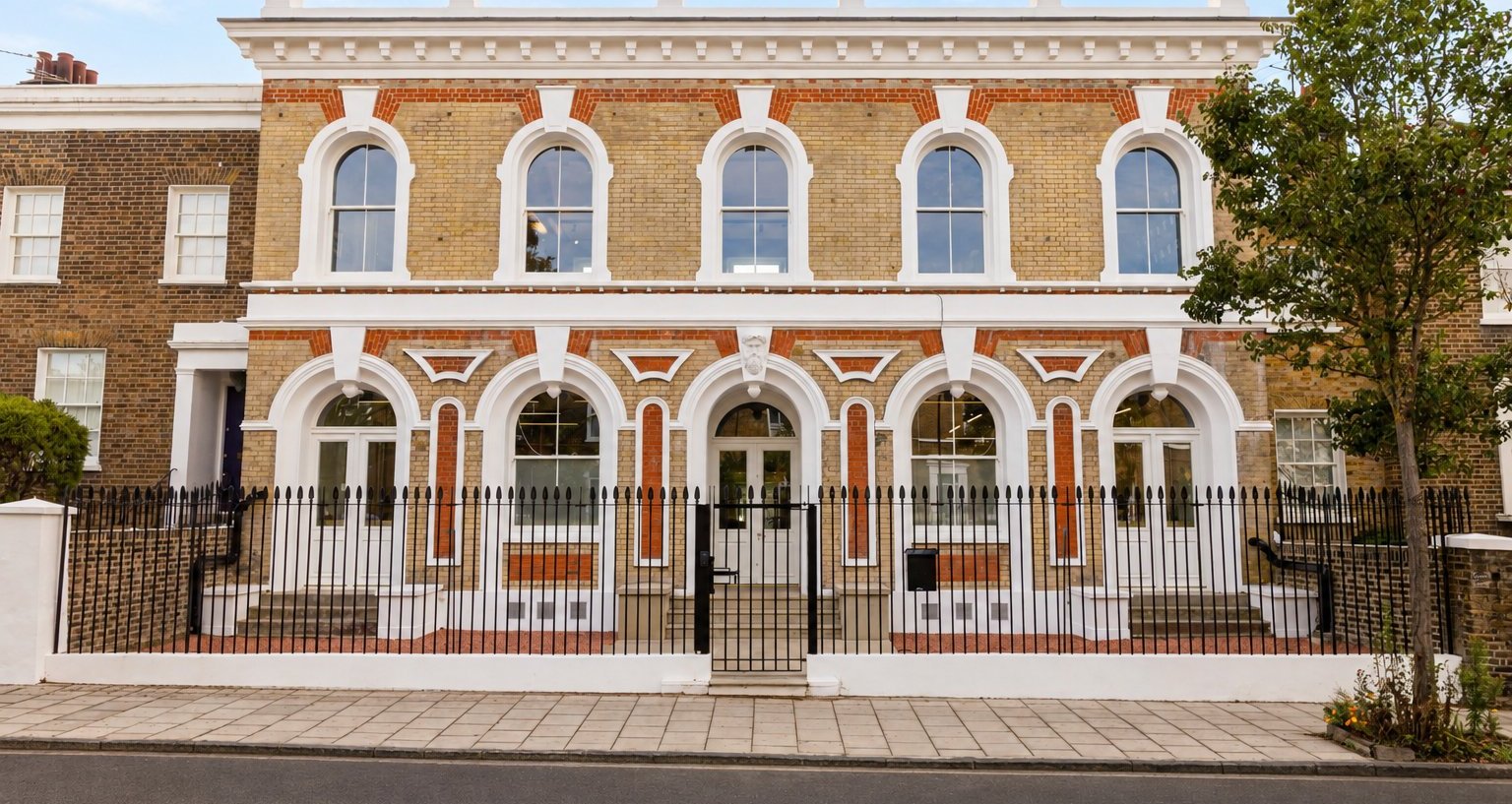
John Rigby & Co. has completed its move to 42 Clapham Manor Street, a London headquarters built around its gunmakers and open for visitors to watch them work. The firm announced the move on 1 October, a year after its 250th anniversary, and the building it has made is a statement about how a premium maker now expects to sell: not from a counter in front of a closed workshop door, but from a floor where the client walks past the bench their gun was built on.

What has Rigby built?

The Grade II-listed former ballet school took three and a half years to convert. The ground floor is given to the specialist workshops, arranged so that a visitor can follow a build through woodworking, metalworking and finishing, and the building also houses the Rigby Academy, an engraving studio, a museum and a showroom under vaulted ceilings and exposed oak beams. At the showroom’s centre sits Jim Corbett’s rifle, displayed beneath the glass-topped table on which new guns are presented to clients, so that every new build is handed over above the .275 that made the firm’s name in India.

Managing director Marc Newton said: “Pensbury Place gave us the home we needed to rebuild Rigby, and it will always mean a great deal to us. At Clapham Manor Street, we’ve been able to create the home we imagined for the next chapter of the company. I wanted the gunmakers to be at the heart of it. Visitors will be able to see the skill and care that goes into our guns, then step into a showroom filled with the stories that brought us here.”

Why does the model matter to the wider trade?

Because it inverts the usual arrangement. Most gunrooms keep the workshop out of sight and the showroom at the front; Rigby has put the workshop at the front and made the showroom the room you reach after walking through it. Founded in Dublin in 1775 and building in London since the 19th century, the firm re-established its London workshop at Pensbury Place more than a decade ago, and the order book outgrew it. The new building was planned around the needs of the gunmakers, with their work meant to be seen and understood by visitors, and the investment in a listed building, a conversion measured in years and a museum alongside the benches is a bet that at the premium end the craft itself, witnessed, is what sells the gun.

The Rigby Academy, the engraving studio and the museum under one roof with the workshops also put training, decoration and heritage on the same floor as production, a layout that a smaller maker could not fund but whose logic any gunroom can borrow: the customer who has seen the work values it differently from the one who has only seen the price.

What happens next?

The premises are open at 42 Clapham Manor Street, and the firm’s announcement, with photography of the workshops and showroom, is on its website. For dealers and makers watching how the London houses present themselves, Clapham Manor Street is the latest answer, and the most visible: the benches, the engraving studio and the museum now sit under one roof, and the firm expects visitors to walk the floor rather than wait at a counter.


Useful links

John Rigby & Co. – the announcement and photographs of the new home


Frequently asked questions

Where has Rigby moved to?

42 Clapham Manor Street, London: a Grade II-listed former ballet school converted over three and a half years, which replaces the firm’s workshop at Pensbury Place.

What does the new Rigby building contain?

Ground-floor workshops laid out for visitors to follow a build through woodworking, metalworking and finishing, together with the Rigby Academy, an engraving studio, a museum and a showroom.

What is the rifle in the Rigby showroom?

Jim Corbett’s rifle, displayed beneath the glass-topped presentation table so that every new Rigby is handed over above it.


Related articles

The Gunmakers’ Company’s next chapter – the London trade’s own institution looks ahead

William Powell is recruiting a gunroom manager at Banbury – another house investing in its front of house

Malcolm Grendon: 40 years in the GMK workshop – the bench skills the trade depends on

Other News Posts

Sportsmatch HTO100: British-made quick-release mount line extended

Back to blog

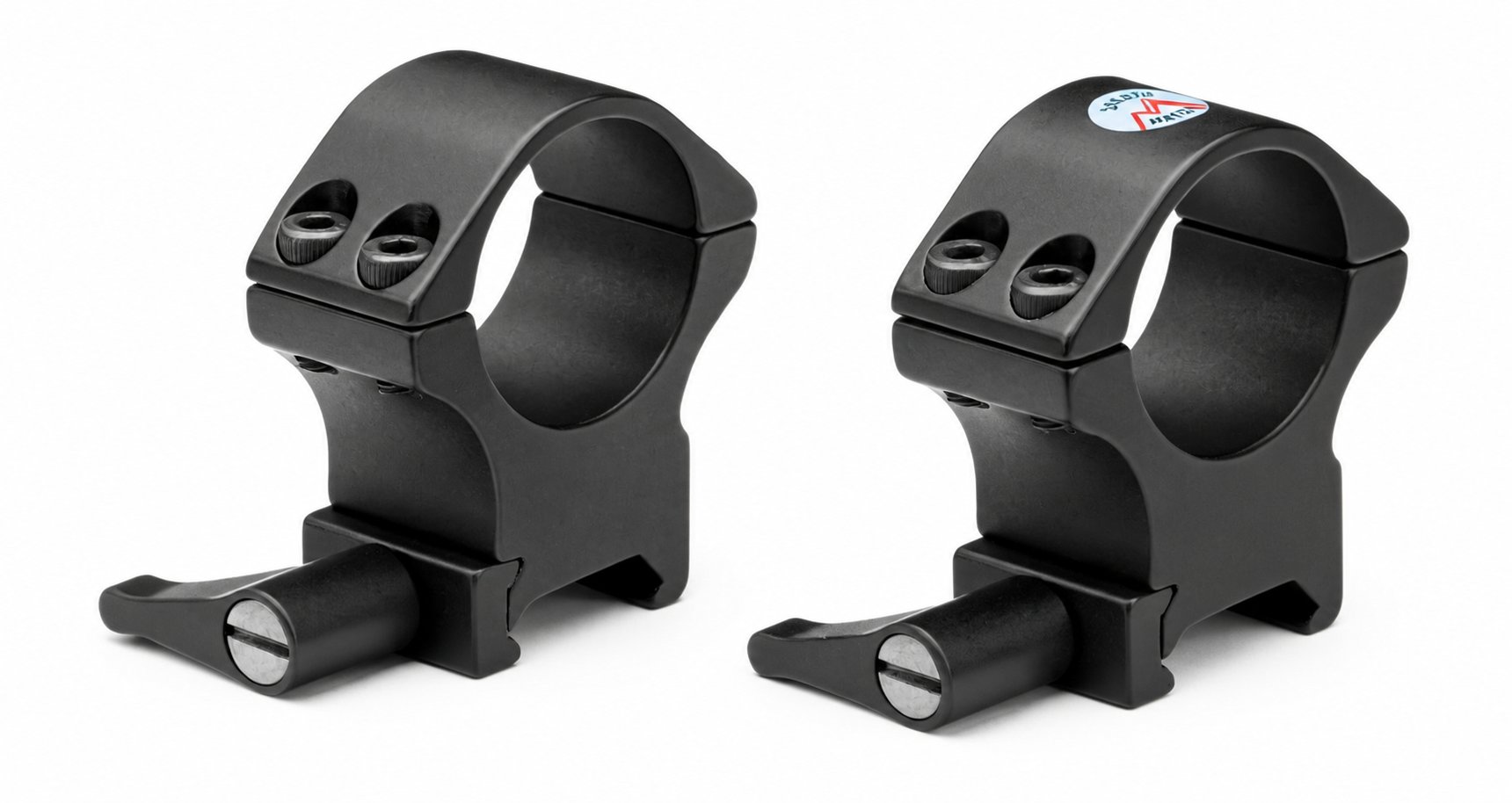
Sportsmatch UK has extended its HTO quick-release family with the HTO100, a two-piece 30mm high mount for Picatinny and Weaver rails, listed by the maker on 30 September. For the trade the point is the gap it closes: the HTO family had centred on one-piece quick-detach (QD) designs, which need an unbroken run of rail, and a good many sporting rifles that cross the counter do not have one. A dealer who already carries the Leighton Buzzard maker’s mounts now has a British-made, lifetime-guaranteed answer for the customer who wants a scope that comes off without tools on a rifle with a split or short rail.

What has Sportsmatch added to the range?

The HTO100 is two separate high-profile rings, each clamping to the rail with a quick-release lever. The levers are indexable: once fully tightened they can be repositioned to sit wherever the shooter wants them, clear of turrets, the bolt handle and rail hardware, which is the detail that stops a QD lever fouling on a compact action. Saddle height is 21mm, placing the mount in Sportsmatch’s high range and clearing objective lenses up to around 56mm on most rifles, and each mount weighs 130g. The maker’s product page lists it as a two-piece high 30mm Weaver and Picatinny QD and gives the dimensions in full.

Like the rest of the range, the HTO100 is machined in Britain and carries a lifetime guarantee. The Bedfordshire firm has made scope mounts for decades, and its dovetail and Picatinny ranges are standard fittings across the airgun, rimfire and centrefire trade.

Why does a two-piece QD mount matter at the counter?

Because the conversation it answers is a common one. A customer running a thermal or night vision unit alongside a day scope wants to swap between the two without a tool, and a one-piece QD mount is the usual recommendation. The recommendation fails when the rifle on the counter has a factory rail in two sections, or a short rail that will not take a one-piece base. Until now the dealer’s answer was a fixed two-piece ring set, which gives up the quick swap, or a QD ring from another maker. The HTO100 keeps the sale within a British line the shop already stocks.

The lifetime guarantee is a trade proposition as much as a consumer one. A mount guaranteed for life is a mount the shop is not asked to replace at its own cost, and a maker in Bedfordshire is a maker whose guarantee is easy to call on.

What about trade price and distribution?

The product page carries no price and names no stockist, and Gun Trade Insider has not seen a trade price for the HTO100. Sportsmatch says stockist details are available through the company, so a dealer wanting the mount in the cabinet should go to the maker direct, as with the rest of the range. Nothing in the launch names a distributor, and this story does not guess at one.

What happens next?

The HTO100 is in the maker’s range now, with the dimensions on the Sportsmatch website and stockist and pricing enquiries handled by the company. Gun Trade Insider will carry a trade price when one is published. For a shop with a Sportsmatch board on the wall, the practical step is to add the two-piece QD to the mount conversation alongside the one-piece HTO designs, so the customer with a split rail is not sent elsewhere.


Useful links

Sportsmatch UK – the HTO100 product page with dimensions and weight


Frequently asked questions

What is the Sportsmatch HTO100?

A two-piece 30mm high quick-release mount for Picatinny and Weaver rails, with indexable levers that can be set in any position once tightened. Saddle height is 21mm and each mount weighs 130g.

Is the Sportsmatch HTO100 British made?

Yes. Sportsmatch machines its mounts at Leighton Buzzard in Bedfordshire, and the HTO100 carries the same lifetime guarantee as the rest of the range.

What is the trade price of the HTO100?

No price is published on the product page and no distributor is named. Sportsmatch handles stockist enquiries itself; dealers should contact the company.


Related articles

3 Legged Thing brings engineering precision to the shooting sector – another British engineering firm supplying the trade

Leupold’s latest optics arrive in the UK, exclusive to Viking Arms – optics distribution news for the counter
Five of the best stalking rifles for retailers to stock – the rifles whose rails the HTO100 is likely to meet

Other News Posts

Knife marketing summits: what the Home Office now expects of retailers

Back to blog

Retailers and online marketplaces were challenged to tighten the marketing, sale and display of knives at two Home Office summits on 8 October, the Government’s latest step in its drive to halve knife crime. The announcement names no change in the law, but it sets out plainly what ministers expect of anyone who sells a blade, and the gun trade sells a great many: stalking and skinning knives, folding knives for the game cart, multi-tools, and the hunting knives that sit in every well-stocked gunroom cabinet.

What were retailers asked to do?

Policing and Crime Minister Sarah Jones hosted law enforcement, major retailers, online marketplaces, trade associations, Trading Standards, the Advertising Standards Authority and campaigners across the two meetings, the first for online sellers and marketplaces, the second for bricks-and-mortar shops. Online retailers were asked how they will ensure knife listings comply with the law and what further action they will take to prevent irresponsible marketing. Shops were pressed to strengthen their standards for displaying and selling knives in store and to back a renewed Responsible Retailers’ Scheme, the voluntary code covering responsible marketing, display, staff training and age checks.

Ms Jones said: “Knife crime destroys lives and devastates families, and everyone involved in the sale of knives has a responsibility to help prevent harm. Businesses and online retailers need to take a hard look at how knives are marketed, sold and displayed, and take every possible step to prevent irresponsible sales. We are making progress, but I want businesses to go further and do everything possible to stop dangerous knives reaching the wrong hands.”

Where does this leave a dealer who sells knives?

The summits build on Ronan’s Law, which earlier this year tightened online knife sales with stricter age verification and delivery checks, and on the Government’s 2025 review of online sales, whose recommendations the National Knife Crime Centre (NKCC) is still working through with the Home Office. Nothing announced on 8 October changes what a dealer may lawfully stock or sell. What has changed is the scrutiny: how a knife is photographed and described online, where it sits on the shop floor, and whether the staff who sell it are trained and the age checks recorded.

For the trade the practical lines are three. First, product listings: a hunting knife marketed on its sporting purpose, with its blade length and steel stated plainly, is the kind of listing the summits were not about; the “combat and violence” framing ministers named is what they want gone. Second, display: knives behind the counter or in a locked case rather than within reach on the shop floor, which most gun shops already practise for other reasons. Third, the scheme: a dealer who signs up to the renewed Responsible Retailers’ Scheme when its terms are published has a documented answer if a Trading Standards officer asks.

What did the police say about enforcement?

Commander Stephen Clayman, head of the NKCC and the National Police Chiefs’ Council lead on knife crime, said enforcement is aimed at illicit supply: “At the NKCC, we are working tirelessly to restrict illicit knife supply through the unregulated grey market and importation of prohibited weapons from countries with different legislation to the UK, both of which remain significant concerns for law enforcement.” He added that “responsible selling and marketing practices are vital if we are to reduce children’s access to dangerous weapons”. The distinction matters to the legitimate trade: the target is the grey-market importer and the irresponsible listing, not the licensed dealer selling a skinning knife to a stalker.

Campaigners pushed for more. Leanne Lucas, the Southport survivor who founded Let’s Be Blunt, told the summit that “every knife has a lifecycle – from design and manufacture to marketing, display, sale, storage and access – with opportunities for prevention at every stage”, and argued that pointed-tip kitchen knives should be part of the discussion.

What happens next?

The Home Office wants retailers to sign up to the renewed Responsible Retailers’ Scheme, and further engagement with online marketplaces is planned. Dealers who sell knives online, through a marketplace or at a game fair should watch for the scheme’s terms when they are published, and review their listings and display against them. Gun Trade Insider will report any requirement that reaches the counter.


Useful links

Home Office – the summit announcement in full


Frequently asked questions

Do the knife summits change what a dealer may sell?

No. The summits pressed retailers on marketing, sale and display practice. The law on who may buy a knife, the online sale checks under Ronan’s Law and the rules on carrying in public are unchanged.

What is the Responsible Retailers’ Scheme?

A voluntary code for knife retailers covering responsible marketing, display, staff training and age checks, which the Home Office is renewing and asking retailers to back.

What is Ronan’s Law?

Legislation introduced this year tightening online knife sales, including stricter age verification and delivery requirements, named after Ronan Kanda.


Related articles

Ensuring legal compliance in firearm and shotgun transactions – the counter’s existing compliance disciplines

Sound moderator deregulation and the Crime and Policing Act 2026 – the other recent legislative change at the counter

Parcelforce firearms transit guidance – the carrier rules for sending restricted goods

Other News Posts

EU lead shot ban: what the seven-year transition means for UK dealers

Back to blog

The European Union’s restriction on lead shot is moving to final adoption with a seven-year transition secured and bullets and slugs excluded, the European Federation for Hunting and Conservation (FACE) reported on 8 October. Publication in the EU’s Official Journal is expected in the coming weeks. For the UK trade the news fixes the second of two regulatory clocks: Great Britain’s shot deadline is already set at 1 April 2029, and Northern Ireland, which follows EU REACH under the Windsor Framework, will run on the EU’s longer timetable.

What has the EU settled?

According to FACE, which represents 37 national hunting associations, the European Parliament concluded its consideration of the restriction in Strasbourg on 8 October with no objection supported, and the scrutiny period closed on 10 October. The text as it moves to adoption carries a transition extended from three years to seven for lead shot, and removes bullets and slugs from scope entirely, a materially softer landing than the earlier drafts, which proposed shorter transitions and a wider scope taking in rifle ammunition. FACE president Laurens Hoedemaker said: “We must now use the seven years effectively to ensure hunters have good quality non-lead shot.”

The dossier dates from the European Chemicals Agency’s 2021 proposal to restrict lead in outdoor shooting under the EU’s Registration, Evaluation, Authorisation and Restriction of Chemicals regulation (REACH). The EU has banned lead shot over and around wetlands since February 2023, with 100m buffer zones; the restriction now moving to adoption is the larger second step, covering terrestrial shooting with lead shot across all 27 member states.

How does the GB timetable compare?

Great Britain is on the faster track. The UK REACH restriction became law on 1 April 2026, following a Health and Safety Executive report in December 2024: shot containing 1% or more lead is banned from 1 April 2029 after a three-year transition, and projectiles with 3% or more lead face restrictions at outdoor ranges from 1 April 2028 unless specific conditions are met. The measures apply in England, Scotland and Wales and bring Scotland’s remaining lead wildfowling allowance into line with the rest of Great Britain.

Set side by side, the two timetables give the trade a clear planning horizon. A GB dealer’s lead shot stock has a hard end date of 1 April 2029; the EU’s seven years, once the restriction is published, run well into the 2030s. The GB range restriction on lead projectiles from 1 April 2028 has no EU counterpart in this text, because bullets and slugs are out of the EU’s scope altogether.

What does it mean at the counter?

Three things. First, stock depth in lead cartridges for GB sale needs to taper against the 2029 date, with the sell-through planned so that nothing is left on the shelf that cannot be sold; the 2028 range date governs lead bullets for range use in the same way. Second, the non-lead ranges that manufacturers have been building for the GB market will carry the shelf from 2029, and the EU’s longer clock means continental suppliers have less urgency to follow, so UK dealers should expect GB-specific product and GB-specific lead times. Third, Northern Ireland dealers sit on the EU clock, not the GB one: their lead shot timetable begins when the restriction is published and runs for seven years, and their suppliers in Great Britain will be shipping across a regulatory border that the two deadlines now make visible.

What happens next?

Once the restriction is published in the Official Journal it enters into force across the EU and the transition period begins. Gun Trade Insider will report the final text when it is published, and the GB restriction’s own detail is on GOV.UK.


Useful links

FACE – the federation’s report on the restriction’s progress

GOV.UK – the GB restriction on lead in ammunition and its deadlines


Frequently asked questions

When does the EU lead shot ban take effect?

After publication in the EU Official Journal, expected within weeks, a seven-year transition begins, so the ban would bite in 2033 at the earliest.

Are rifle bullets covered by the EU restriction?

No. FACE reports that bullets and slugs are excluded from the restriction as it moves to adoption. Great Britain’s separate range restriction on lead projectiles applies from 1 April 2028.

Which clock does a Northern Ireland dealer follow?

The EU’s. Northern Ireland follows EU REACH under the Windsor Framework, so the seven-year transition applies there once the restriction is published, while Great Britain’s shot ban bites on 1 April 2029.


Related articles

Firearms (Amendment) Rules 2025 now in force across GB – the other regulatory change dealers are already administering

International perspective, September 2026 – the global trade picture the EU decision lands in

Ensuring legal compliance in firearm and shotgun transactions – compliance at the counter

Other News Posts

Weihrauch HW30S review gives UK dealers a fresh case for the starter springer this autumn

Back to blog

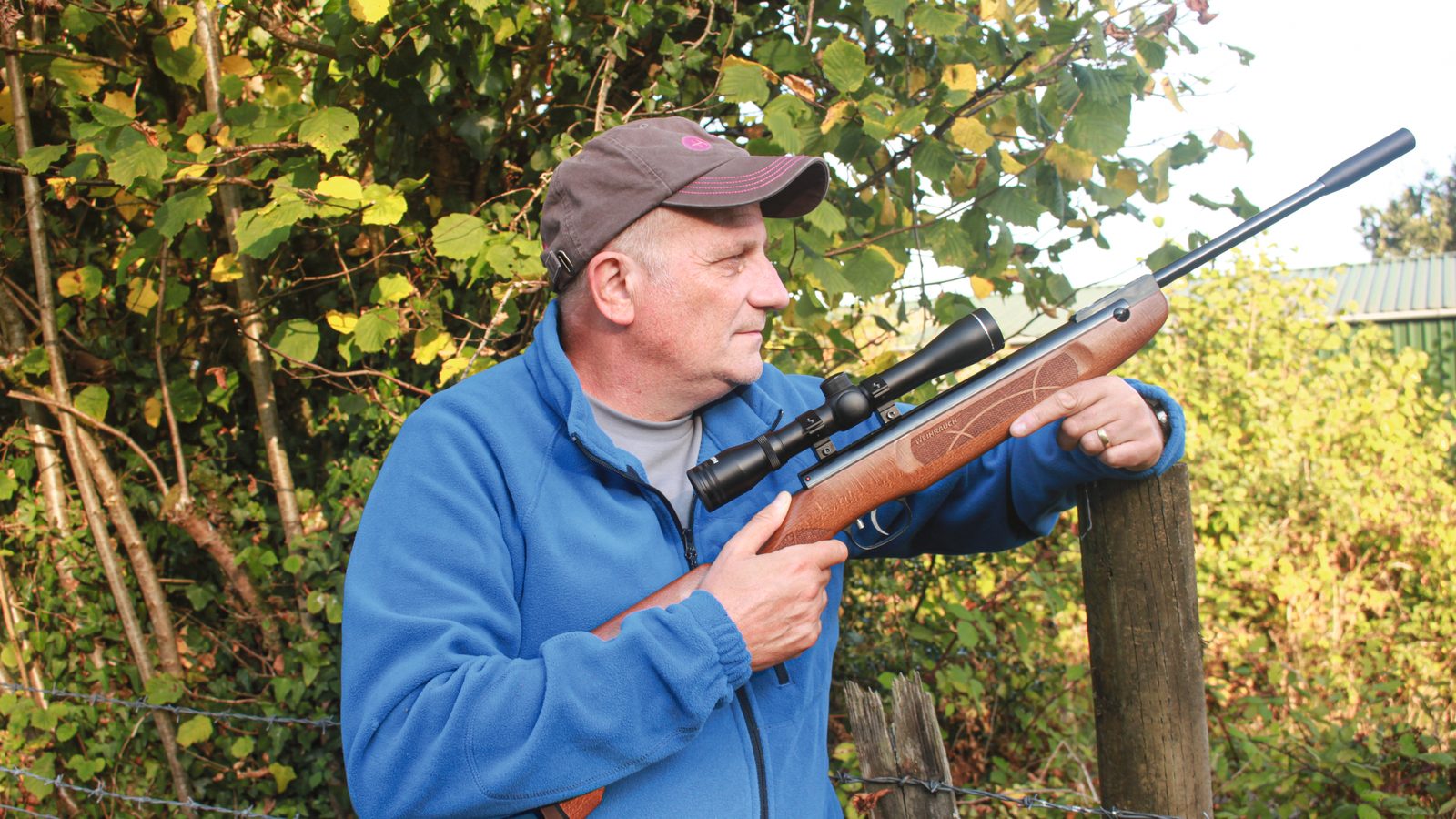
A fresh and favourable review of one of the longest-serving entry-level spring rifles on the UK market has landed just as dealers start stocking for the dark evenings. Writing in Airgun World, Pete Evans put the Weihrauch HW30S kit through its paces and came away arguing that a rifle marketed at youngsters deserves a far wider customer base than that.

The trade reading is straightforward. A German-made break-barrel with a recommended retail price (RRP) of £299.95, imported by Hull Cartridge and carrying a trigger design the reviewer traces back more than 60 years, is not news in itself. A current, independent verdict that puts its build quality on a par with full-size rifles is, because it hands the counter a ready-made argument for a brand UK shops have stocked through the same importer since 1977.

What did Airgun World find on the range?

The test rifle was a .177 supplied with the Weihrauch-branded 4×32 scope that makes up the kit. Over the chronograph, JSB Exact RS pellets of 7.33gr averaged 8.1ft/lb, JSB Exact at 8.44gr gave 7.8ft/lb and JSB Exact Heavy at 10.34gr gave 7.2ft/lb, so the rifle sits comfortably inside the 12ft/lb ceiling for an air rifle held without a firearm certificate in England and Wales.

On paper the results were the story. “Five-shot groups of 15mm were achieved,” Evans wrote of his 20m testing with the RS pellet in still conditions. “Pushing out to 25m opened up the groups slightly, but still within 18mm.” At 30m he reported “similar favourable results” on 1in spinners.

He was clear about where he thought that accuracy came from. “I am convinced that the synergy of the benign firing cycle of this gun, coupled with the excellent trigger, gives this impressive performance,” he wrote, adding that “the Rekord unit is the benchmark for all spring gun triggers and has been for the last 60-plus years.” Of the shot itself: “There is very little movement on discharge, save for some mechanical noise; there really isn’t much to let you know the shot has been taken.”

Why does a youngster’s rifle matter to the UK trade?

Evans framed the review around recruitment. He noted that “the majority of readers fall into the middle-age bracket” and that “Attracting youngsters to the sport in recent years has become a hurdle.” Many gun makers, he wrote, had “taken the bull by the horns” in supplying guns for the younger shooter, and his own view was that a youngster’s gun “should be a scaled version of the adult design”.

That is where the HW30S earns its trade relevance. At 2.6kg scoped and 98.5cm overall, with a 39.9cm barrel that Evans found easy to cock and an ambidextrous walnut-stained beech stock made by Minelli of Italy, the same rifle fits the parent as well as the child. “Not only has a balance been struck but, as we shall see, the HW30 is eminently suitable for adults and such should not be pigeonholed to a particular group of shooters,” he wrote.

For the dealer that matters because the first-rifle sale is made to an adult. Nobody under 18 may buy an air rifle in the UK, and an under-14 may only shoot one under supervision on private premises with the occupier’s permission, so the customer at the counter is the parent or grandparent who will also be using it. A gun that Evans described as “marketed as a starter gun, but its build quality and performance match that of its full-size peers” is easier to sell to that buyer than one that is obviously a toy.

Where does the sub-12ft/lb pest-control sale fit?

Evans placed the rifle squarely in the short-range vermin role: “shorter-range (20m) pest control, which would include gardens or inside barns, where the lower power is a distinct bonus.” That is the walk-in trade every gun shop knows in autumn, the customer with rats around the feed bins or feral pigeons in the barn who wants something quiet, legal without paperwork in England and Wales, and accurate at 20m.

The one stocking decision the review makes explicit is the choice of variant. The HW30S kit has “no provision for open sights” and relies on the supplied scope, while the HW30SF “comes with a set of open sights”. Both are available in .177 and .22. Dealers in Scotland should also remember that most air weapons there require an air weapon certificate from Police Scotland, which shapes the conversation before it reaches calibre.

How does the review play in the springer versus PCP conversation?

Evans did not set out to compare power sources, but the review supplies the points a dealer needs when a family asks why they should consider a spring gun at all. A spring-piston rifle needs no cylinder, pump or fill kit, and the HW30S kit is supplied with its scope at the £299.95 RRP. What the review adds is evidence that this particular springer does not punish a new shooter: the “benign firing cycle” and the Rekord two-stage adjustable trigger are the same features Evans credits for 15mm groups.

The stock is worth a mention at the counter too. “Many top manufacturers are turning to Minelli of Italy to make their stocks, and the HW30 is no exception,” Evans wrote, describing chequered panels on the fore-end and grip and the trademark Weihrauch butt pad. He noted the barrel and breech block share the HW99’s 15mm diameter, though the parts are not interchangeable.

What happens next

The review is not the last word on this rifle from Airgun World. Evans said he was taking the gun to “a social evening at a friend’s house, where there will be people from a wide age group”, and closed with a promise: “Following the gathering, I’m going to be servicing the gun and implementing any special measures that will enhance its performance. Hopefully that gives you something to look forward to next month.” A second feature on the same rifle means a second wave of consumer attention on a stock line dealers can plan for.

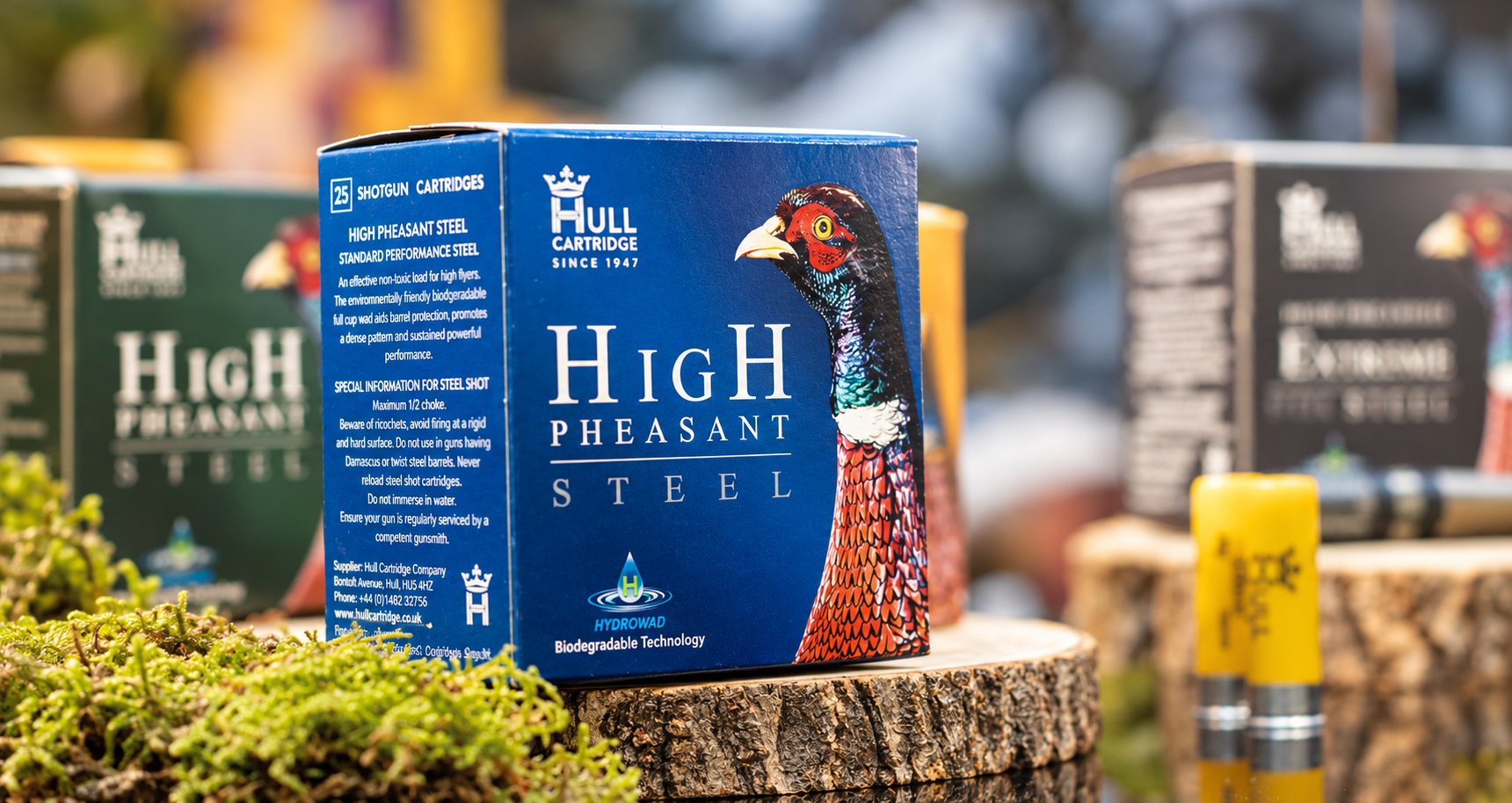
On supply, Hull Cartridge describes itself as the official importer of Weihrauch airguns since 1977 and says genuine imports carry its stamp on the barrel to confirm factory-approved warranty cover, while weihrauch.co.uk states that the one-year UK warranty runs through Hull Cartridge Company. With both HW30 variants and both calibres in the range, the sensible move this month is to check what is on the shelf against what the review has just told a national readership to ask for.


Useful links

Airgun World – Pete Evans’s original review, Weihrauch HW30S review: a starter rifle that isn’t only for starters

Weihrauch Sport – the manufacturer’s HW 30 S product page

Hull Cartridge – official UK importer of Weihrauch airguns since 1977


Frequently asked questions

What did Airgun World’s Weihrauch HW30S review conclude?

Pete Evans found the HW30S produced five-shot groups of 15mm at 20m and within 18mm at 25m, praised its Rekord trigger and benign firing cycle, and said its build quality and performance matched full-size rifles despite being marketed as a starter gun.

How much power does the Weihrauch HW30S produce?

On test in .177 the HW30S produced 7.2 – 8.1ft/lb depending on pellet, with JSB Exact RS averaging 8.1ft/lb, which is well inside the 12ft/lb limit for an air rifle held without a firearm certificate in England and Wales.

Who imports Weihrauch air rifles into the UK?

Hull Cartridge is the official UK importer of Weihrauch airguns and has been since 1977; it stamps the barrels of genuine imports and handles the UK warranty.

What is the difference between the HW30S and the HW30SF?

The HW30S kit comes with a Weihrauch-branded 4×32 scope and has no provision for open sights, while the HW30SF is supplied with open sights. Both are available in .177 and .22 with the Rekord two-stage adjustable trigger.


Related articles

Range Right appointed as exclusive UK distributor for Taipan Airguns and Valiant Optics – the Harrogate distributor’s deal struck at IWA 2025

Diana Airguns align themselves to UK giant Sportsmarketing – another German airgun maker changes its UK distribution

Range & country shooting supplies – how Peter Rose built an airgun shop and club in Sleaford

Daystate Performance Center and BRK Pathfinder: expanded offerings for airgun enthusiasts – accessory and rifle range news for airgun stockists

Other News Posts

Nocpix Ace 2 S60R: what a strong flagship review means for thermal stock this season

Back to blog

A favourable review of a £5,299 thermal riflescope by an experienced field tester is the kind of endorsement dealers cannot buy, and Nocpix has one. Writing in Shooting Times, Ed Jackson spent several September evenings with the new Ace 2 S60R on his .223 and concluded: “The S60R is a seriously impressive bit of kit, and on this evidence ‘Generations Ahead’ isn’t just marketing.”

For the UK trade, the questions are more prosaic than the reviewer’s: who distributes it, what the margins sit on, where it lands against Pulsar and HikMicro at the counter, and which of the three Ace 2 models the shop should actually be holding as the fox and deer season gets going.

Who distributes the Nocpix Ace 2 in the UK and at what price?

The Ace 2 range launched on 12 September through Hawke Optics, the UK distributor, according to ShootingUK’s launch coverage, and the brand’s UK site, nocpix.uk, carries a Hawke Optics Limited copyright footer. Jackson’s review directs readers to nocpix.uk for details of the range and UK stockists.

Recommended retail prices (RRPs) follow the glass. The S60R, with a 1280×1024 sensor behind a 60mm F1.0 lens, is £5,299. The H50R and H35R share a 640×512 sensor behind a 50mm or 35mm objective at £3,499 and £2,999, and every model carries an integrated laser rangefinder (LRF). For the September 2026 launch Nocpix set introductory prices of £5,049 for the S60R (a £250 saving), £3,349 for the H50R (£150 off) and £2,899 for the H35R (£100 off), reverting to full retail afterwards. Dealers quoting launch pricing to walk-in customers should check with the distributor when the offer ends.

How does the S60R position against the Pulsar Thermion 2 LRF XL60 and HikMicro Stellar?

Jackson placed it squarely in flagship company. “Fit and finish are lovely, the controls every bit as considered as the spec sheet suggests, and despite that big 60mm objective it comes in at 980g, lighter than the Pulsar Thermion 2 LRF XL60 at 1,160g and level with the HikMicro Stellar 3.0 SX60LS at 1,000g.” Rifle Shooter’s review of the HikMicro Stellar 3 SX60L, a 1280×1024 unit from the same family, listed that scope at £4,999.99, which gives a sense of where the S60R’s £5,299 sits against a like-for-like rival on the shelf.

The differentiators Nocpix will lean on are Ocular Zoom 2.0, which keeps the reticle and interface aligned as optical and digital zoom work together, and Dual Clarity, an S60R exclusive that offers a Motion mode for moving animals and a Still mode that lengthens exposure to lift detail from a stationary target. That is why the S60R alone is quoted at 30/60Hz where its siblings run 60Hz. Eye relief and exit pupil are up 20% and 25% on the original Ace, to 60mm and 10mm. The magnesium-alloy body is rated IP67 from -20°C to +50°C, recoil rated to 7,000J on rifled firearms, with a built-in 3,650mAh cell plus a removable 18650 for a quoted 7hr runtime and 64GB of storage with recoil-activated recording.

What did the field test actually show?

The evidence behind the verdict is specific, which is what makes it useful across a counter. From a high seat over potato ground and sugar beet, Jackson watched roe does and muntjac between 100 and 200m, then wrote: “Pushing on, I picked out deer clear as day at over 405m according to the LRF, which returned readings quickly and without fuss all evening, and during that same scan caught a fox cub that had somehow got halfway across the field unnoticed, at just under 300m.”

He zeroed at 100m by the handwarmer method, power-cycled the unit and found the zero unchanged, and described the top-mounted central focus as easy and forgiving and the menu intuitive. The image, he wrote, gave “a really accurate sense of scale, something thermal can easily lose, making identification at distance much easier”. The negatives were minor: “The zoom collar could be a touch smoother and the app has a few very minor quirks, though it remains thoroughly usable.”

Why does CL55 matter to thermal sales this season?

The regulatory backdrop is a significant commercial driver in the category. Natural England’s CL55 licence, introduced this year, allows registered deer managers to shoot fallow, roe, sika, Chinese water deer and muntjac (plus red deer in selected counties) at night in England, and for the first time permits a dedicated thermal riflescope where it meets equipment conditions of 640×480 or better resolution, a pixel pitch of 17µm or smaller, a focal length of 50mm or more and a frame rate of 50Hz or above.

That puts a compliance line straight through the Ace 2 range. The S60R and H50R clear every condition; the H35R passes on resolution and pitch but its 35mm objective falls short of the 50mm minimum focal length, so it cannot be sold as a CL55 deer scope. Jackson made the point plainly, and dealers should too, adding his caution that CL55 covers England only and that Scotland, Wales and Northern Ireland run their own deer legislation. As he put it, “At over £5,000, that’s a serious sum to justify on fox control alone, so it’s worth saying who else Nocpix has in mind.”

Which Ace 2 should dealers stock?

The reviewer’s own forecast is the one the trade should note. “My money says the H50R will be the volume seller, with the S60R reserved for those shooting big, open country at genuine distance. Do factor in that Dual Clarity is an S60R exclusive, though, so dropping to the H50R costs you more than sensor resolution and reach.” That suggests the H50R as the depth line, with the S60R as the demonstrator that sells the range and the H35R as the fox-only entry point that must be sold without any CL55 promise.

There is an accessory sale attached. “One practical point is mounts. The body is a standard 30mm tube, but ring height depends entirely on the rifle, so be prepared to try a few before finding one that sits the scope as close to the bore line as possible.” A shop that can offer two or three 30mm ring heights at the point of sale, and fit them, removes the most likely reason for a return.

What happens next

The launch pricing is a September 2026 offer that reverts to full retail, so the immediate task for stockists is to understand the window with Hawke Optics and price demonstrators accordingly. Beyond that, Jackson’s closing remark is the demand signal for the whole category: his own thermal kit, the best he could afford, “now looks shockingly poor by comparison”. Every 1280×1024 flagship that gets into a customer’s hands resets their expectation of what a thermal image should look like, and that is a trade-up cycle dealers can plan stock around this winter.


Useful links

ShootingUK – Ed Jackson’s original review, Nocpix Ace 2 S60R thermal riflescope review: generations ahead?

Nocpix – manufacturer’s UK site with details of the Ace 2 range and stockists

Hawke Optics – UK distributor for Nocpix


Frequently asked questions

Who is the UK distributor for Nocpix thermal scopes?

Hawke Optics distributes Nocpix in the UK, according to ShootingUK’s coverage of the Ace 2 launch on 12 September 2026, and the brand’s UK site, nocpix.uk, is operated under Hawke Optics Limited.

What is the RRP of the Nocpix Ace 2 S60R, H50R and H35R?

The recommended retail prices are £5,299 for the S60R, £3,499 for the H50R and £2,999 for the H35R. September 2026 launch pricing was £5,049, £3,349 and £2,899 respectively, reverting to full retail afterwards.

Which Nocpix Ace 2 models meet the CL55 thermal riflescope conditions?

The S60R and H50R meet Natural England’s CL55 equipment conditions of at least 640×480 resolution, a pixel pitch of 17µm or smaller, a focal length of 50mm or more and 50Hz or above. The H35R’s 35mm lens falls short of the focal-length minimum. CL55 applies in England only.


Related articles

Leupold’s latest optics arrive in the UK – exclusive to Viking Arms – how a premium optics brand reaches UK retailers through a single distributor

ATN Mars LTV 256 Series – Paul Austin on the £1,199 entry point to thermal riflescopes

Feeling the heat on a thermal rat roundup – Mat Manning puts the HikMicro Lynx 2.0 thermal monocular to work

Other News Posts

Top-tier shotgun RRPs from £890 to £249,600: where 11 of the world’s finest guns sit, and who brings them to the UK counter

Back to blog

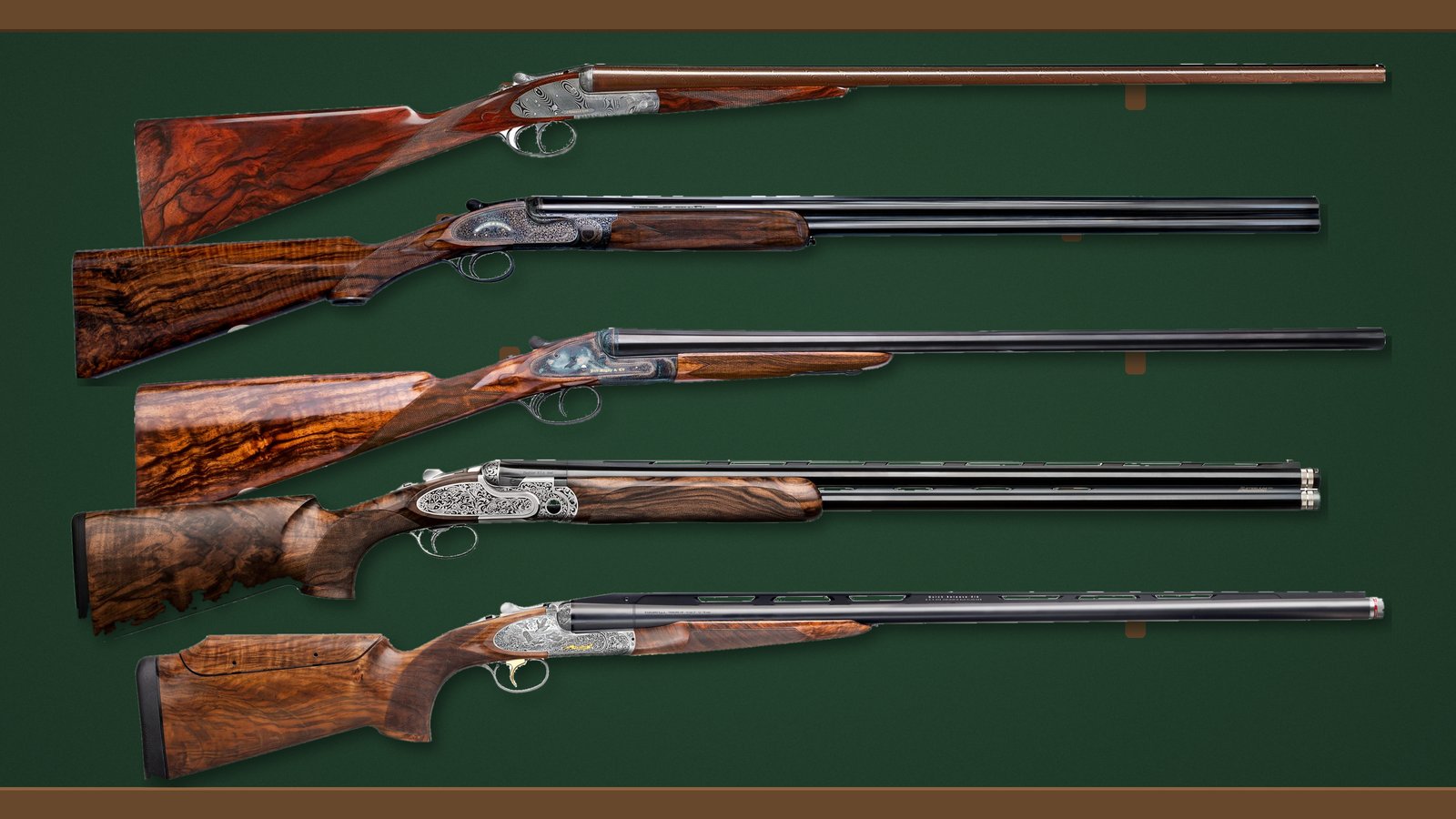
Eleven top-tier shotguns with an RRP spread of nearly £249,000 between the cheapest and the dearest with a figure attached: Fieldsports Journal’s guide to the world’s finest guns, published on 29 September, reads from the trade side as a map of where the top of the UK shotgun market prices itself in autumn 2026, and of who brings each gun to the British counter. It runs from Purdey’s Damascus model sidelock at £249,600 down to an £890 Mossberg pump-action, taking in Holland & Holland, Westley Richards, John Rigby & Co., Karl Hauptmann, Beretta, Perazzi, Rizzini, Caesar Guerini and Fabarm along the way.

The 11 guns are the Fieldsports Journal team’s selection rather than the results of a test. Each is listed with its price and its maker or UK distributor. Prices are those supplied at the time of publication and may since have changed; note that some are quoted inclusive of VAT and some exclusive.

For the dealer the routes to market are the useful part. Of the 11, six are listed direct from the maker (Purdey, Holland & Holland, Westley Richards, John Rigby & Co., Karl Hauptmann and Fabarm) and five through a UK distributor or importer: the Beretta DT11 EELL through GMK, the Perazzi High Tech Game through Perazzi UK, the Rizzini BR552 ‘de Luxe’ Special through ASI, the Caesar Guerini Invictus ArtCo SG Specialist through Caesar Guerini UK and the Mossberg 590 Mariner through Viking Arms. The VAT basis matters at the counter too: most figures are inclusive, but the Holland & Holland and the Hauptmann are quoted exclusive and the Westley Richards is on application.

Bespoke Best guns from Purdey, Holland & Holland, Westley Richards, Rigby and Hauptmann

Purdey The Damascus model Sidelock s/s

Purdey Damascus model sidelock side-by-side shotgun with engraved action and figured walnut stock
Purdey’s Damascus model sidelock, the ceiling of the list at £249,600 inc VAT, priced direct from the maker

A side-by-side sidelock from Purdey, sold direct and priced from a starting figure to the customer’s specification.

RRP: From £249,600 inc VAT

purdey.com

Holland & Holland Royal Over & Under

Holland & Holland Royal Over and Under shotgun with engraved sidelocks and dark walnut stock
Holland & Holland’s Royal Over & Under, from £175,000 exc VAT, one of two best-gun figures here quoted without VAT

An over-and-under from Holland & Holland, sold direct and quoted exclusive of VAT.

RRP: From £175,000 exc VAT

hollandandholland.com

Westley Richards Hand-detachable lock shotgun

Westley Richards hand-detachable lock side-by-side shotgun with gold-inlaid action and walnut stock
The Westley Richards hand-detachable lock side-by-side, priced on application

A side-by-side from Westley Richards, sold direct and priced on application.

RRP: POA

westleyrichards.com

John Rigby & Co. The Rigby Rising Bite shotgun

John Rigby and Co. Rising Bite side-by-side shotgun with colour case-hardened action and figured walnut
Rigby’s Rising Bite side-by-side, the only British best gun in the guide with a fixed ticket: £137,310 inc VAT

A side-by-side from John Rigby & Co., sold direct at a fixed ticket.

RRP: £137,310 inc VAT

johnrigbyandco.com

Karl Hauptmann Triple shotgun s/s/s .410

Karl Hauptmann triple-barrelled .410 shotgun with gold-engraved action and dark walnut stock
Karl Hauptmann’s three-barrelled .410, €120,000 exc VAT, quoted in euros from Austria

A three-barrelled .410 from Karl Hauptmann, priced in euros and exclusive of VAT, so the sterling figure moves with the exchange rate and the duty treatment.

RRP: €120,000 exc VAT

hauptmann-rifles.com

That is the bespoke tier, and none of it passes through a UK distributor: four British houses and one Austrian, each selling direct, and only Rigby, of the British houses, publishes a fixed figure; the Hauptmann is a flat €120,000 before VAT. For the trade it is a reference point rather than a stock decision; the volume in this guide sits below it.

Over-and-unders, side-by-sides and a pump-action from £890 to £19,181

Beretta DT11 EELL

Beretta DT11 EELL over-and-under shotgun with engraved silver action and figured walnut stock
The Beretta DT11 EELL, £19,181 inc VAT through GMK

An over-and-under from Beretta, listed through GMK, its UK distributor.

RRP: £19,181 inc VAT

gmk.co.uk

Perazzi High Tech Game

Perazzi High Tech Game over-and-under shotgun with silver action and walnut stock
The Perazzi High Tech Game, from £13,273 inc VAT through Perazzi UK

An over-and-under from Perazzi, listed through Perazzi UK.

RRP: From £13,273 inc VAT

perazzi.uk

Rizzini BR552 ‘de Luxe’ Special

Rizzini BR552 de Luxe Special side-by-side shotgun with engraved action and highly figured walnut
The Rizzini BR552 ‘de Luxe’ Special, £7,866 inc VAT through ASI

A side-by-side from Rizzini, listed through ASI.

RRP: £7,866 inc VAT

a-s-i.co.uk

Caesar Guerini Invictus ArtCo SG Specialist

Caesar Guerini Invictus ArtCo SG Specialist over-and-under shotgun with engraved action
The Caesar Guerini Invictus ArtCo SG Specialist, £6,895 inc VAT through Caesar Guerini UK

An over-and-under from Caesar Guerini, listed through Caesar Guerini UK.

RRP: £6,895 inc VAT

caesargueriniuk.com

Fabarm Grade IV Sporting

Fabarm Grade IV Sporting over-and-under shotgun with engraved action and adjustable-comb walnut stock
The Fabarm Grade IV Sporting, £5,950 inc VAT, the entry ticket among the over-and-unders

An over-and-under from Fabarm, listed direct from the maker.

RRP: £5,950 inc VAT

fabarm.com

Mossberg 590 Mariner

Mossberg 590 Mariner pump-action shotgun with matt silver finish and black synthetic stock
The Mossberg 590 Mariner, from £890 inc VAT through Viking Arms

A pump-action from Mossberg, listed through Viking Arms and the one gun in the guide under £1,000.

RRP: From £890 inc VAT

vikingshoot.com

Read as RRP bands, the guide gives the counter three tickets to work with. Under £1,000 there is the Mossberg through Viking Arms. Between £5,950 and £7,866 sit three Italian over-and-unders and side-by-sides through Fabarm, Caesar Guerini UK and ASI. Between £13,273 and £19,181 sit the Perazzi through Perazzi UK and the Beretta through GMK. Above that the list moves to six figures, to euros or to application, and out of the distributor trade altogether. Four of the eleven guns are British-built, one is Austrian, five are Italian and one American, and the five distributor lines are all Italian or American.

Top tier shotguns at a glance

Gun Type Price
Purdey The Damascus model Sidelock s/s Side-by-side sidelock From £249,600 inc VAT
Holland & Holland Royal Over & Under Over-and-under From £175,000 exc VAT
Westley Richards Hand-detachable lock shotgun Side-by-side POA
John Rigby & Co. The Rigby Rising Bite shotgun Side-by-side £137,310 inc VAT
Karl Hauptmann Triple shotgun s/s/s .410 Three-barrel .410 €120,000 exc VAT
Beretta DT11 EELL Over-and-under £19,181 inc VAT
Perazzi High Tech Game Over-and-under From £13,273 inc VAT
Rizzini BR552 ‘de Luxe’ Special Side-by-side £7,866 inc VAT
Caesar Guerini Invictus ArtCo SG Specialist Over-and-under £6,895 inc VAT
Fabarm Grade IV Sporting Over-and-under £5,950 inc VAT
Mossberg 590 Mariner Pump-action From £890 inc VAT

Frequently asked questions

What is the most expensive shotgun in this guide?

The Purdey Damascus model sidelock side-by-side, from £249,600 including VAT, followed by the Holland & Holland Royal Over & Under from £175,000 excluding VAT. The Westley Richards hand-detachable lock shotgun is price on application. All three are sold direct by the maker.

What is the least expensive shotgun in this guide?

The Mossberg 590 Mariner pump-action, from £890 including VAT, listed through Viking Arms at vikingshoot.com. The least expensive over-and-under is the Fabarm Grade IV Sporting at £5,950 including VAT.

Which side-by-side shotguns are in the guide?

The Purdey Damascus model sidelock, the Westley Richards hand-detachable lock shotgun, the John Rigby & Co. Rising Bite and the Rizzini BR552 ‘de Luxe’ Special, plus the Karl Hauptmann triple shotgun, whose three .410 barrels sit side by side.

Do the prices include VAT?

Not all of them. Most prices are quoted inclusive of VAT, but the Holland & Holland (from £175,000) and the Karl Hauptmann (€120,000) are quoted exclusive of VAT, and the Westley Richards is price on application. Compare like with like before quoting a customer.


Related articles

A promising future for Perazzi in the UK – the maker’s own UK arm and its plans for the dealer network

The Great British Shooting Show 2026: a record-breaking statement of intent – where the trade shows these guns to the public

SGC Group discusses Benelli and Franchi partnership – how a UK distribution partnership is built

Other News Posts

Bolt-action rifle RRPs from £850 to £68,000: where ten noteworthy models price themselves

Back to blog

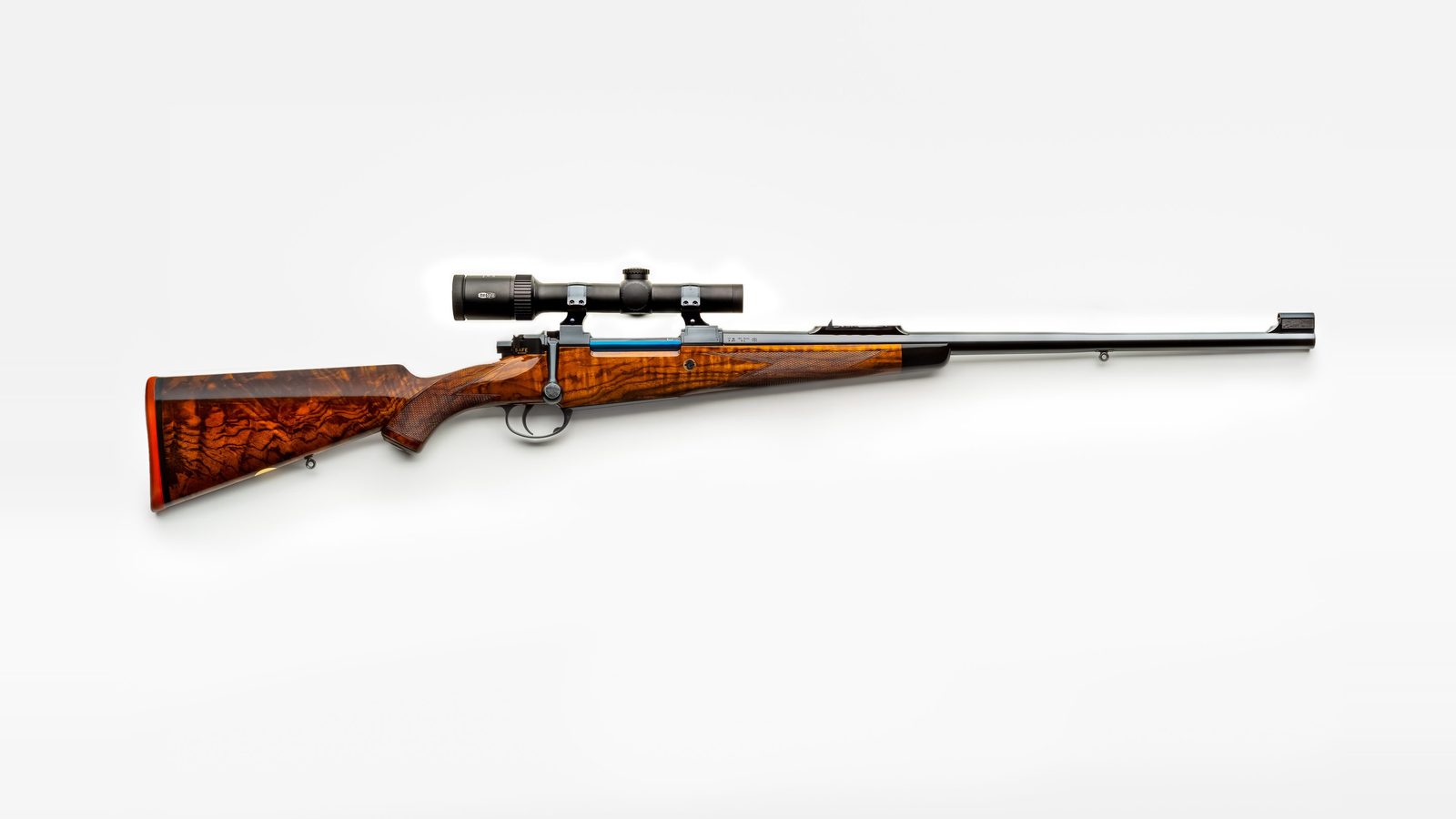
Ten bolt-action rifles with a combined RRP spread of more than £67,000 between the cheapest and the dearest with a figure attached: Fieldsports Journal’s pick of the most noteworthy bolt-actions from the world’s renowned gunmakers, published on 29 September, reads from the trade side as a map of where the UK bolt-action market prices itself in autumn 2026, from a composite-stocked workhorse built to handle the harshest terrain to a finely crafted piece with hand engraving and exhibition-grade walnut fit to be passed down the generations.

At the volume end the RRPs are £850 inc. VAT for the Ruger American Gen 2 Standard, £999.99 inc. VAT for the Benelli Lupo Granite Moss through Sportsman Gun Centre and from £1,595 inc. VAT for the Tikka T3X Ace Target through GMK: three sub-£1,600 tickets that carry the counter trade in stalking, foxing and target rifles. The Merkel Helix Speedster, from £4,000 inc. VAT through Viking Arms, and Rigby’s Highland Stalker Magnum, at £13,406 inc. VAT, sit in the middle. Above them, Purdey from £37,000 exc. VAT, W.J. Jeffery & Co. from £48,000 inc. VAT, Holland & Holland from £68,000 exc. VAT, Karl Hauptmann from €35,000 exc. VAT and Westley Richards on application are bespoke tickets where the specification decides the invoice.


Every figure below is the maker’s or retailer’s RRP at the time the feature was published, with the distributor or maker site the feature named for each rifle.

Prices are RRP at the time of publication, as supplied by the makers and retailers, and may have changed.

Ten bolt-action rifles from the world’s gunmakers, with RRP and route to market

Holland & Holland Takedown Magazine Rifle

Holland & Holland Takedown Magazine Rifle with figured walnut stock and telescopic sight on a pale studio background
Holland & Holland’s Takedown Magazine Rifle, from £68,000 exc. VAT, priced from a starting figure to the specification

RRP: From £68,000 exc. VAT

hollandandholland.com

Westley Richards Magazine Rifle (up to .505 Gibbs)

Westley Richards Magazine Rifle with walnut stock and telescopic sight, shown side-on
The Westley Richards Magazine Rifle, built in calibres up to .505 Gibbs, priced on application

RRP: POA

westleyrichards.com

W.J. Jeffery & Co. .404

W.J. Jeffery & Co. .404 bolt-action rifle with richly figured walnut stock and scope, on a pale studio background
W.J. Jeffery & Co.’s .404, in exhibition-grade walnut, from £48,000 inc. VAT

RRP: From £48,000 inc. VAT

wjjeffery.com

Purdey bolt-action

Purdey bolt-action rifle with walnut stock and open sights, shown side-on
Purdey’s bolt-action rifle, from £37,000 exc. VAT

RRP: From £37,000 exc. VAT

purdey.com

Karl Hauptmann Slim Line bolt-action

Karl Hauptmann Slim Line bolt-action rifle with walnut stock and open sights, shown side-on
The Karl Hauptmann Slim Line bolt-action, from €35,000 exc. VAT, the one euro-priced ticket on the list

RRP: From €35,000 exc. VAT

hauptmann-rifles.com

John Rigby & Co. Highland Stalker Magnum

John Rigby & Co. Highland Stalker Magnum bolt-action rifle with walnut stock, shown side-on
Rigby’s Highland Stalker Magnum, at a fixed RRP of £13,406 inc. VAT

RRP: £13,406 inc. VAT

johnrigbyandco.com

Merkel Helix Speedster

Merkel Helix Speedster rifle with green synthetic stock and adjustable cheekpiece, shown side-on
The Merkel Helix Speedster, from £4,000 inc. VAT, through Viking Arms

RRP: From £4,000 inc. VAT

vikingshoot.com

Tikka T3X Ace Target

Tikka T3X Ace Target bolt-action rifle with bronze-finish modular chassis and folding stock, shown side-on
The Tikka T3X Ace Target in its modular chassis, from £1,595 inc. VAT, through GMK. Credit: Precis Oy

RRP: From £1,595 inc. VAT

gmk.co.uk

Benelli Lupo Granite Moss

Benelli Lupo Granite Moss bolt-action rifle with green synthetic stock, shown side-on
The Benelli Lupo in Granite Moss, £999.99 inc. VAT, through Sportsman Gun Centre

RRP: £999.99 inc. VAT

sportsmanguncentre.co.uk

Ruger American Gen 2 Standard

Ruger American Gen 2 Standard bolt-action rifle with grey speckled synthetic stock and fluted barrel, shown side-on
The Ruger American Gen 2 Standard, £850 inc. VAT, the lowest RRP on the list

RRP: £850 inc. VAT

ruger.com

For the dealer the list settles into three tiers. Under £1,600 the volume is with Ruger, Benelli through Sportsman Gun Centre and Tikka through GMK; £4,000 to £13,406 is the Merkel through Viking Arms and the Rigby; and from £37,000 upwards, or on application, the London and Birmingham benches and Hauptmann sell to order, where the retailer’s role is introduction rather than stock.

Bolt-action rifle RRPs at a glance

Rifle Price (RRP)
Holland & Holland Takedown Magazine Rifle From £68,000 exc. VAT
Westley Richards Magazine Rifle (up to .505 Gibbs) POA
W.J. Jeffery & Co. .404 From £48,000 inc. VAT
Purdey bolt-action From £37,000 exc. VAT
Karl Hauptmann Slim Line bolt-action From €35,000 exc. VAT
John Rigby & Co. Highland Stalker Magnum £13,406 inc. VAT
Merkel Helix Speedster From £4,000 inc. VAT
Tikka T3X Ace Target From £1,595 inc. VAT
Benelli Lupo Granite Moss £999.99 inc. VAT
Ruger American Gen 2 Standard £850 inc. VAT

Frequently asked questions

How much does a bolt-action rifle cost at RRP?

Across this selection, RRPs run from £850 inc. VAT for the Ruger American Gen 2 Standard and £999.99 inc. VAT for the Benelli Lupo Granite Moss to £48,000 inc. VAT for the W.J. Jeffery & Co. .404 and from £68,000 exc. VAT for the Holland & Holland Takedown Magazine Rifle. Westley Richards prices its Magazine Rifle on application.

Which British gunmakers build bolt-action rifles?

This list includes five: Holland & Holland (Takedown Magazine Rifle), Westley Richards (Magazine Rifle), W.J. Jeffery & Co. (.404), Purdey (bolt-action) and John Rigby & Co. (Highland Stalker Magnum). Four of the five price from a starting figure or on application, the bespoke model; Rigby’s Highland Stalker Magnum carries a fixed RRP of £13,406 inc. VAT.

Which UK distributors are named for the volume rifles?

The feature routes the Merkel Helix Speedster through Viking Arms (vikingshoot.com), the Tikka T3X Ace Target through GMK (gmk.co.uk) and the Benelli Lupo Granite Moss through Sportsman Gun Centre (sportsmanguncentre.co.uk); the Ruger American Gen 2 Standard is listed at the maker’s own site.

What calibres does the Westley Richards Magazine Rifle come in?

Westley Richards builds its Magazine Rifle in calibres up to .505 Gibbs. The price is on application.


Related articles

SGC unveils 2025’s most exciting firearms and airguns – the retailer’s own line-up of the year’s launches

Leupold’s latest optics arrive in the UK, exclusive to Viking Arms – how a premium brand reaches UK retailers through a single distributor

FX Pocket Chronograph Pro through SGC Group – a distribution story from the same counter trade

Other News Posts

Browning X-Bolt 2 Nordic: the £1,299 stainless stalker for UK counters

Back to blog

Browning’s stainless X-Bolt 2 Nordic has a clean field test behind it before the autumn stalking trade begins in earnest. Writing in Sporting Gun, Bruce Potts ran the .308 Win Nordic on the range and after Surrey roebucks through the summer and recorded groups of 0.85in to about an inch at 100 yards with lead-free factory loads and his own handloads. For UK counters the detail that matters is the ticket: the stainless Vari-Tech starts at £1,299, against £1,539 for the walnut-stocked Distance Eclipse he tested earlier this year.

That £240 gap, and a verdict that the practical rifle gives nothing away in the field, is the shape of the sales conversation this season. Potts’s conclusion was direct: “X-Bolts deserve a closer look from any would-be buyer, as they have proved to be well made and reliable since 2008.”

What is the X-Bolt 2 Nordic, and what does it cost?

The Nordic is the second-generation X-Bolt in a satin stainless finish with Browning’s Vari-Tech adjustable polymer stock. The rifle on test weighed 6lb 12oz, with a 20in free-floating stainless barrel threaded M14x1, 0.612in at the muzzle, and an overall length of 40.5in. It carries the spiral-fluted three-lug bolt, the tang safety with a bolt-release button, the new DLX multi-lever trigger, a four-round polymer magazine and a one-piece Picatinny rail. The recommended retail price is from £1,299, and the review gives browning.eu as the contact.

The Vari-Tech stock is the trade’s selling point and its one objection in a single part. Potts called the black synthetic “practical rather than aesthetically pleasing in my eyes”, then gave the counter its line: “if all the securing bolts are tightened correctly, it is a practical design and certainly weatherproof.” Length of pull adjusts from 13.125in to 14.125in with four quarter-inch spacers behind the 1.25in Inflex pad (a 1in pad is available separately), and the cheekpiece moves on two internal screws. A rifle that can be fitted on the counter is a rifle that comes back less often.

The trigger, the bolt and the numbers a customer will ask about

The DLX trigger, “developed to reduce creep, take-up and overtravel”, broke at 2lb 8.8oz on test, lighter than earlier X-Bolts Potts had measured and, in his words, “a safe option on a hunting rifle”; its adjustable range is 1.75lb to 2.9lb. The stainless bolt is “very well made, with a brightly polished body and deep, wide flutes”, and the tang safety “is silent in operation and locks the bolt”, with the bolt-release button allowing a round to be cleared with the safety on.

On accuracy, the data a dealer can quote: RWS HIT 165gr lead-free gave “solid minute-of-angle (MOA) accuracy” at an average 2,571fps for 2,422ft/lb; Sako Powerhead Blade 162gr lead-free grouped 0.885in at 2,594fps; Hornady Superformance SST 150gr lead-cored ran 2,882fps for 2,767ft/lb. Potts’s handloads, a 110gr Barnes TSX at 3,086fps and a 168gr Barnes TTSX at 2,588fps, grouped 0.85in and just under an inch. Two of the three factory loads that shot best were lead-free, which is the ammunition conversation most counters are already having.

Why the stainless Vari-Tech is the stock-list question

Browning sells the X-Bolt 2 in several guises, and Potts had three of them through his hands this year: the blued-steel Vari-Tech with an 18.5in barrel, the Distance Eclipse Walnut at £1,539 and now the stainless Nordic. His ranking for the working buyer was clear. “This stainless-steel version of the Vari-Tech model is more practical than the standard model, but take a look also at the Eclipse and carbon-fibre-barrelled models: they might pique your interest too.”

The stalking season that made the point was a hot one, with deer sitting tight until dark, and the only shot of the test was a fox at 117 yards. What the stainless build did was remove the owner’s anxiety: “I was not worried about scratching it or getting it wet when crawling through the foliage.” For a dealer that is the estate-rifle pitch in one sentence, and it is why a stainless, synthetic rifle at £1,299 with a sub-£1,600 walnut sibling gives a counter two answers to the same customer.

Accessories follow. The test rifle wore a Kite scope on the Picatinny rail and an Iridium moderator on the M14x1 thread, which Potts liked because “it is light and really does reduce sound levels significantly, though it is a bit bulky looking”. A moderator, mounts and a lead-free load sold with the rifle is the margin on the sale.

What happens next

The X-Bolt 2 Nordic Vari-Tech and the stainless Vari-Tech are listed at browning.eu, where the review directs buyers. The full test, with the specification table, the load data and Potts’s verdict, is on Sporting Gun. Dealers taking the rifle for the autumn should note the Inflex pad options and spacer kit, because the fit adjustment is the feature most likely to close the sale on the counter.


Useful links

Sporting Gun – Browning X-Bolt 2 Nordic stainless review: a practical estate rifle, Bruce Potts’s original test

Browning – the maker’s European site, the contact the review gives for the X-Bolt 2 range


Frequently asked questions

What is the recommended retail price of the Browning X-Bolt 2 Nordic stainless?

From £1,299, against £1,539 for the X-Bolt 2 Distance Eclipse Walnut, according to Sporting Gun’s review published on 3 October 2026.

What accuracy did the X-Bolt 2 Nordic deliver in .308 Win?

Minute-of-angle with RWS HIT 165gr, 0.885in groups with Sako Powerhead Blade 162gr and 0.85in with a 110gr Barnes TSX handload, all at 100 yards.

Which loads did the reviewer favour?

Bruce Potts called Sako’s lead-free Powerhead Blade “a great all-round cartridge”, and it accounted for the fox shot at 117 yards during the field test.


Related articles

Bergara and Edgar Brothers: a precision partnership – a rival stalking-rifle brand and its UK distribution

Viking Arms appointed exclusive UK distributor for Anschütz – how rifle brands reach UK counters

The Great British Shooting Show 2026: a record-breaking statement of intent – where the trade shows these rifles to the public

Other News Posts

Pulsar Symbion LRF DXR50: the £3,779.95 multispectral sale for dealers

Back to blog

The Pulsar Symbion LRF DXR50 has the kind of review a counter can demonstrate against: a tester who prefers the thermal channel, admits the digital side is nothing special, and still calls the £3,779.95 binoculars “simply the best to buy”. Writing in Sporting Gun, Jules Whicker tested the multispectral binoculars by day and night on deer and reported “the best user experience I’ve ever had with multispectral binoculars by a country mile”. For UK dealers, distributed by Thomas Jacks, that is the sale in one sentence, and the review names the reason the ticket holds.

“Pulsar knows that it can’t beat the big Chinese electro-optical conglomerates on price,” Whicker wrote, so it competes on quality and user experience. The trade conversation about the premium multispectral category is exactly that: what the dearer European unit gives the customer that the cheaper rivals do not, and the review answers it in the hand rather than on the spec sheet.

What the Symbion LRF DXR50 is, and what it replaces

The Symbion carries a 50mm thermal imager in one barrel and a 4K digital day and night camera in the other, with an 850nm LED illuminator (flood-to-spot), a laser rangefinder to 1,500m and a 1920×1080 AMOLED display. It weighs 1kg, ships with two APS5 batteries and a twin charging dock, charges over USB-C and has a recommended retail price of £3,779.95; the review gives pulsar-vision.co.uk as the contact.

The category argument for the customer is consolidation. A multispectral binocular replaces a thermal monocular, a daylight binocular and a separate rangefinder with one device and one battery system, and lets the user confirm identity without changing hands. That is also the argument against a lower ticket, because the customer is comparing it with three purchases, not one.

Where the review says the money goes

Not into the digital channels. Whicker rated the thermal brilliant, the day digital good and the night digital “short on range” because the on-board illuminator lacks reach; by day he kept Leica binoculars in his back pocket for “pin-sharp detail, true colour and zero latency”, and at night he used thermal almost exclusively. His conclusion on the trade-off is the line a dealer can repeat: “In truth, I don’t care about these limitations because, as with all multispectral binoculars, the digital channel simply makes the thermal channel more meaningful.”

The money goes into the thermal and the handling. On thermal: “It does thermal notably better than the Chinese units I’ve tried – the image feels more realistic and less AI-enhanced – but delivers nothing special in digital terms.” On handling: a tandem focus dial with the thermal on the small wheel and the digital on the large, a three-position power switch that works like a rifle safety, two groups of rubberised buttons that can be assigned to either hand, and armour that “feels tougher, grippier and better integrated than anything I’ve previously tested”. The digital interface, the Stream Vision apps and the Stream Vision Ballistics holdover function completed the case. His single criticism was the black finish where green, bronze or flat dark earth would suit a device used by day as much as at night.

Why the counter demonstration decides this sale

Every line of the review that justifies the price is tactile: the focus dial, the switch, the buttons under the fingertips, the armour. None of it shows on a website listing, which makes the Symbion a demonstration product rather than a catalogue one, and the customer who has handled it beside a cheaper unit is the customer who understands the gap. The supplied kit matters on the counter too: a neoprene strap with quick-detach clips, a padded case with a silent roll-forward top, and two harness options, one converting to a bino caddy, which Whicker described as first-class in materials and stitching.

The rangefinder is the other demonstrable. Ranging a roebuck at 726m, less than half the 1,500m reach, was “a breeze”, and once a rifle’s ballistic profile is uploaded through the app the unit returns a holdover with each range. For a deer-management customer that is the feature that moves the Symbion from an observation tool to a shooting one.

What happens next

The Symbion LRF DXR50 is listed at pulsar-vision.co.uk, the review’s contact, and reaches UK counters through Thomas Jacks. The full test, with Whicker’s notes on the apps, the carrying solutions and the verdict, is on Sporting Gun. Dealers stocking the unit should plan the demonstration around the controls and the thermal image, which is where the review says the ticket is earned.


Useful links

Sporting Gun – Pulsar Symbion LRF DXR50 review: multispectral binoculars tested, Jules Whicker’s original test

Pulsar – the brand’s UK site, the contact the review gives for the Symbion range

Thomas Jacks – Pulsar’s UK distributor


Frequently asked questions

What is the recommended retail price of the Pulsar Symbion LRF DXR50?

£3,779.95 at the time of Sporting Gun’s review, published on 3 October 2026, with Thomas Jacks as Pulsar’s UK distributor.

What did the review say the Symbion does better than cheaper rivals?

Thermal imaging, with an image the reviewer found more realistic and less AI-enhanced than the Chinese units he had tried, and the handling: the focus dial, the power switch, the button layout and the armour.

Where is the Symbion weakest?

The night digital channel, which the reviewer found short on range because the built-in infrared illuminator lacks reach; an external illuminator can be fitted via the tripod socket.


Related articles

Leupold’s latest optics arrive in the UK, exclusive to Viking Arms – how a premium optics brand reaches UK retailers

ATN Mars LTV 256 Series – the entry point to thermal riflescopes on the counter

Feeling the heat on a thermal rat roundup – a thermal monocular put to work

Other News Posts

Beretta A400 Solo: GMK’s £1,584 semi-auto with the AX800’s best parts

Back to blog

GMK has a new Beretta semi-automatic to put on UK counters at £1,584 in black and £1,801 in Realtree MAX-7, and a full review has arrived with the line that sells it: almost £1,000 less than the AX800, with the AX800’s best parts inside. Writing in Sporting Gun, Lloyd Pattison tested the A400 Solo over several weeks of Skeet and Sporting and found it “a distillation of all the bits that work and the addition of some new bits that enhance function and performance, at a price that puts it right in among many of its competitors while sporting features that set it above and apart”.

For the trade the Solo answers a familiar counter question. The customer who liked the AX800’s B-LINK Pro gas system, its trigger and its recoil pad but not its polymer receiver, its skeleton stock or its price now has a traditional aluminium-receiver A400 with the same parts, and a 12-bore with a 3in chamber and superior steel proof as the lead transition approaches.

What the A400 Solo is, and what it costs

The test gun was a 12-bore with a 30in Steelium barrel (28in and 26in are offered) carrying an 80mm double forcing cone, a 7mm by 7mm rib with a steel mid-bead and high-visibility red front bead, an extended Optima Plus choke, a 3in chamber proofed for superior steel, and a 14in stock with half-inch and 1in spacers in the box. It weighed 3.6kg. Finishes are Realtree MAX-7 camouflage or black, and the review names GMK as the contact.

From the AX800 it takes the B-LINK Pro piston under the fore-end, secured by the B-Lok magazine cap, which Beretta “claims the system cycles 36% faster than other shotguns in its category and 46% cleaner than any gas system released before”; the trigger group with its flat blade, large angled guard, competition lifter and oversized loading port; the interchangeable grip module on a Torx screw; and the B-uffer recoil pad. It keeps the A400 receiver, drilled and tapped for optics, with the oversized controls existing A400 owners know, and the Kick-Off Plus damper behind the grip.

What the review found that the counter can repeat

Reliability first. Pattison “tried a variety of loads from 24g fibre upwards and the gun never failed to cycle whatever I threw at it”. Cleanliness second: “the piston seemed noticeably less ‘coked up’ after shooting a slab of cartridges than those of other guns I have tested”, which he called “great news if you are lazy like me and hate cleaning gas guns”. On the trigger, “No need for any aftermarket gubbins here; it just works.”

Handling third, and a surprise to the reviewer. “I’ve not shot a 30in semi-auto in many years and I was pleasantly surprised by how well this gun handled,” he wrote; it “was handy while not being too whippy or too pendulous; ‘just right’, even though I couldn’t fit it in any of my gun slips”. That last clause is a slip sale waiting on the counter. The safety sits “right under the tip of the forefinger”, where Beretta semi-autos have always put it.

Who buys it, and the AX800 question

The Solo is a hunting gun that proved “extremely capable on clays” on test, and Pattison named its buyers: “wingshooters on the foreshore and those who like to look after crops from a hide should take note: this might well be your next favourite tool.” He also named its limit on a driven day, where a camouflage semi-auto raises eyebrows, which is where the black finish at £1,584 earns its place on the rack.

Against the AX800 the pitch is price and tradition: “almost a grand cheaper than the plastic fantastic AX800, it is much friendlier to the wallet too.” Against the rest of the mid-market semi-auto field the pitch is the parts list, and the review’s verdict that the gun “feels honest and purposeful” and will be “an easy gun to own”.

What happens next

The A400 Solo is available through GMK in black and Realtree MAX-7, with 26in, 28in and 30in barrels. The full test, with the specification and verdict, is on Sporting Gun. Beretta’s 500th-anniversary year has, in Pattison’s words, “rather pushed the boat out in terms of new product releases”, so dealers should expect more derivatives to follow.


Useful links

Sporting Gun – Beretta A400 Solo review: a semi-auto that borrows from the AX800, Lloyd Pattison’s original test

GMK – Beretta’s UK distributor, the contact the review gives

Beretta – the maker, celebrating its 500th anniversary in 2026


Frequently asked questions

What is the recommended retail price of the Beretta A400 Solo?

From £1,584 in black and £1,801 in Realtree MAX-7 through GMK, according to Sporting Gun’s review of 3 October 2026, almost £1,000 less than the AX800.

Is the A400 Solo proofed for steel shot?

Yes. It has a 3in chamber and superior steel proof, with an extended Optima Plus choke supplied.

What loads did the A400 Solo cycle on test?

Everything from 24g fibre upwards over several weeks of Skeet and Sporting, without a failure.


Related articles

Enhanced performance and precision: the Beretta A400 Xtreme Plus review – the A400 at the wildfowling end of the range

Beretta BRX-1 Walnut – another Beretta derivative on the counter

SGC Group discusses Benelli and Franchi partnership – the rival Italian semi-auto brands and their UK route

Other News Posts

Beretta 500th anniversary: what the year holds for UK dealers

Back to blog

Beretta passed its 500th anniversary on Saturday 3 October, and for the UK trade the date is less a milestone than the midpoint of a selling year: GMK’s two 500 Years limited editions are on the counter, the maker’s buyer medal has a collection window opening in the shops from mid-October, and the distributor has already staged its anniversary hospitality for the industry at Ragley Hall. The anniversary marks the day in 1526 on which the Arsenal of the Republic of Venice paid Bartolomeo Beretta of Gardone Val Trompia 296 ducats for 185 arquebus barrels.

What does the 500 Years medal mean at the counter?

The scheme that touches every retailer is the commemorative medal. In the markets where it runs, a customer who buys a new Beretta in 2026 and registers its warranty is offered a 500 Years medal, and the medal is collected from the shop that sold the gun, on production of Beretta’s confirmation email carrying the serial number. Second-hand guns and anything bought before 2026 are excluded, and the offer runs while stocks last.

Collection is batched two to three months behind registration: guns registered between July and September are collected from mid-October, and those registered in the last quarter from mid-January 2027. That puts a run of medal collections through the counter in the weeks either side of the game season’s peak, and dealers will want their own records of which registered customers have yet to collect.

The limited editions GMK is carrying

Beretta’s programme, announced in December, runs to ten one-off guns and seven limited and special editions. GMK, Beretta’s exclusive UK distributor, lists two. The 687 Silver Pigeon 500 Years is built as 1,526 field guns, in 28in and 30in, and 1,526 sporting guns, in 28in, 30in and 32in, all 12-bore on grade 3 walnut, with laser floral engraving carrying gold detail, a gold 500 Years logo under the action and a dedicated serial number. The BRX1 500 Years is a worldwide run of 1,526 straight-pull rifles in .308 Winchester, .30-06 Springfield and .300 Winchester Magnum, with a 22.5in Cerakote barrel, a hand-polished nickel-plated receiver engraved with a wild boar and a bellowing deer, and an Extragrain stock.

The run number is the founding year, and the maker’s own pitch for the 687 edition rests on the 680 platform’s installed base, which it puts at more than one million hunters and shooters worldwide. Beretta has also marked the year with a five-euro coin from the Italian state mint, a Poste Italiane stamp series, a Garmin MARQ Commander watch limited to 500, Oakley sunglasses and a Santoni boot, and a book, Beretta: 500 Years of the World’s Finest Sporting Life.

Why did GMK take the celebration to Ragley Hall?

GMK hosted the UK leg of the anniversary with a gala dinner at Ragley Hall in Warwickshire during The Game Fair in July, alongside Lord Hertford, with guests from the United States, Norway and across Europe, trade partners, the Olympic medallists Nathan Hales and Amber Rutter, and Carlo Gussalli Beretta of the family’s 16th generation giving the keynote. Cannons were fired on the steps and the evening closed with a string quartet by the light of 3,500 candles.

Carlo Gussalli Beretta said: “The UK market holds a uniquely cherished place in Beretta’s history, built on shared traditions and deep friendships. Tonight was not only about honouring our past, but paying tribute to key figures like Bjorn, whose passion forever shaped our competition heritage, and looking forward to the next century of innovation.” GMK’s managing director Ali Angus said bringing “international guests, Olympic champions and the Beretta family” together was “a once-in-a-lifetime honour”.

The family still at the helm

The ownership question that hangs over most 500-year-old names does not arise here. Pietro Gussalli Beretta is president and chief executive of Beretta Holding, and Franco Gussalli Beretta is president of Fabbrica d’Armi Pietro Beretta, the gunmaking company; both are of the 15th generation. “From that moment on, there has always been a member of our family guiding the company,” the two said when the programme was announced.

What happens next

The first medal collection window, for guns registered between July and September, opens in the shops from mid-October; dealers who have sold registered 2026 Berettas should expect customers with confirmation emails from then. The anniversary programme runs to the end of 2026, and the next British Shooting Show, where GMK exhibited in 2026, runs from 12 to 14 February 2027 at the National Exhibition Centre (NEC) in Birmingham.


Useful links

Beretta 500 Years medal – the scheme’s terms, exclusions and collection windows

Beretta – the maker’s 500 Years page, with the anniversary message and the collaborations

GMK – the 687 Silver Pigeon 500 Years, the distributor’s listing


Frequently asked questions

How does a customer claim the Beretta 500 Years medal?

By buying a new Beretta in 2026, registering its warranty and collecting the medal from the shop that sold the gun with Beretta’s confirmation email and the serial number, in the markets where the scheme runs and while stocks last.

How many Beretta 687 500 Years guns are there?

1,526 field guns and 1,526 sporting guns worldwide, all 12-bore, each with a dedicated serial number. The run matches the founding year.

When is Beretta’s 500th anniversary?

3 October 2026, 500 years after the Arsenal of the Republic of Venice paid Bartolomeo Beretta 296 ducats for 185 arquebus barrels on 3 October 1526.


Related articles

Beretta BRX-1 Walnut – the straight-pull platform behind the 500 Years rifle

SGC Group discusses Benelli and Franchi partnership – the UK route for the group’s other Italian brands

Beretta marks 500th anniversary with gala dinner at Ragley Hall – the full account of GMK’s evening at The Game Fair

GMK moderator trade-in scheme – the distributor’s earlier dealer-facing offer

Other News Posts

Firearms (Amendment) Rules 2026 in force: the revised Form 201, the 29 October cut-off and what dealers should tell customers

Back to blog

The Firearms (Amendment) Rules 2026 came into force on Tuesday 29 September in England, Scotland and Wales, adding standing medical reporting conditions to every firearm and shotgun certificate and replacing the application form with a revised Form 201. The Home Office has allowed a one-month transition: old-style applications are accepted until 29 October, after which only the revised form will be taken for grants and renewals. The rules were made under section 53 of the Firearms Act 1968 on 23 September and are set out in Home Office Circular 013/2026, published on the day they took effect.

For the registered dealer the change is indirect but immediate. Nothing in the rules alters the transaction at the counter, the entry on the certificate or the dealer’s notification duties. What changes is the customer base: every holder now carries new conditions, every applicant meets a new form, and the trade is where many of them will ask what it means.

What do the new conditions require of certificate holders?

For the five-year life of the certificate, a holder must tell their police force if they are diagnosed with or treated for a relevant medical condition, for which the Home Office gives depression and dementia as examples, or if an existing condition gets worse. They must also report any consultation about a relevant condition with a doctor outside their own GP practice, including online and private services. Until now, licensing relied heavily on the marker on a holder’s GP record, which a third-party consultation could bypass. The full list of relevant conditions is in the Guide on Firearms Licensing Law, updated in September.

What is on the revised Form 201, and when does the old form stop counting?

The revised Form 201 serves grants and renewals of both certificate types. It asks the applicant to declare every member of their household, including those under 18, and any second home where firearms will be stored. The Home Office says the household question will help police identify wider safety concerns, such as domestic abuse, while the second-home declaration allows a security check at the other address and notification of the force covering it.

The transition date is the practical point for the trade. Old-style applications are accepted for one month from 29 September; after 29 October only the revised Form 201 will be taken. A customer waiting on a grant or a variation, or a renewal due mid-season, needs to know which form went in and when. A completed old-style form still at home must reach the police by 29 October to count.

What should dealers tell customers?

Three things, and none of them is legal advice the counter should be giving in detail. First, that a sale on a current certificate proceeds exactly as before: the rules do not change what a holder may possess or how a purchase is entered. Second, that anyone applying or renewing from now on should use the revised Form 201, have the household details ready and declare any second address where a gun will be stored, with a cabinet there that will bear inspection. Third, that the medical conditions are now standing duties on the holder, and that the police have said how they intend to enforce them.

On that last point the trade can pass on the police’s own words. Police Scotland, in a notice circulated through the Scottish Association for Country Sports, said: “I want to reassure you that Police Scotland will take a pragmatic approach to these new conditions in order to avoid unnecessarily criminalising certificate holders.” Enforcement, it added, would be considered only where there is “clear evidence of intentional dishonesty and/or an attempt to undermine the requirements of the licensing process”. The National Police Chiefs’ Council (NPCC) advice to forces in England and Wales is expected to align generally with that.

What have ministers, the police and the representative bodies said?

Sarah Jones, the policing minister, said: “Public safety must always come first when it comes to firearms licensing. The UK already has some of the strongest gun controls in the world, but these changes will strengthen safeguards further by closing loopholes and helping ensure firearms do not fall into the wrong hands.” Chief Constable David Gardner, the NPCC lead for firearms and explosives licensing, said: “It is important that police have access to all available information when assessing someone’s suitability to hold a firearms licence.”

The Countryside Alliance backed the changes as closing loopholes but renewed its case for a single, centralised licensing authority for England and Wales, arguing that the fragmented system of 43 forces is no longer fit for purpose. BASC said the same on 30 September. Bill Harriman, its director of firearms, said: “The real solution to improving public safety and efficiency is the position BASC has long advocated for – that is for firearms licensing in England and Wales to be removed from the current structure of 43 separate police forces and delivered through a dedicated national authority with common standards, clear accountability and appropriate resources.” For a trade that lives with 43 sets of processing times, that argument has a commercial edge as well as a public-safety one.

What happens next

The transition closes on 29 October. Dealers can expect a run of questions from renewing customers through October, and some confusion where applications were started on the wrong form. In Scotland, the Firearms Mental Health Awareness and Support Partnership is encouraging holders to disclose changes in their health early, and the trade there may find it useful to carry that message. This title will report any further Home Office guidance to the trade as it appears.


Useful links

Home Office – the announcement of the strengthened licensing rules

Home Office Circular 013/2026 – the changes in full

Scottish Association for Country Sports – the Police Scotland notice and the revised Form 201

BASC – the association’s response and its firearms advice

Countryside Alliance – the Alliance’s response to the new rules


Frequently asked questions

Do the Firearms (Amendment) Rules 2026 change the sale at the counter?

No. The rules add conditions to certificates and replace the application form. A sale on a valid certificate, the entry on it and the dealer’s notification proceed as before.

When does the old application form stop being accepted?

Old-style applications are accepted until 29 October 2026. After that only the revised Form 201, which asks about the applicant’s household and any second home where firearms are stored, will be taken for grants and renewals.

What should a dealer tell a customer who asks about the medical conditions?

That the duties sit on the holder for the life of the certificate, that a relevant diagnosis, a worsening condition or a consultation outside the holder’s own GP practice must be reported to the police, and that Police Scotland has promised a pragmatic approach with enforcement reserved for clear dishonesty.


Related articles

Firearms (Amendment) Rules 2025 now in force across GB – last year’s rules, and the pattern the 2026 set follows

Ensuring legal compliance in firearm and shotgun transactions – the counter’s duties, unchanged by the new rules

Firearms licensing: a system under strain but not beyond repair – the case for reform from inside the trade

Other News Posts